Lockouts · Manilla
Broken Key Extraction in Manilla
Overnight the deadbolt froze, and this morning the key would only turn partway.
In plain words
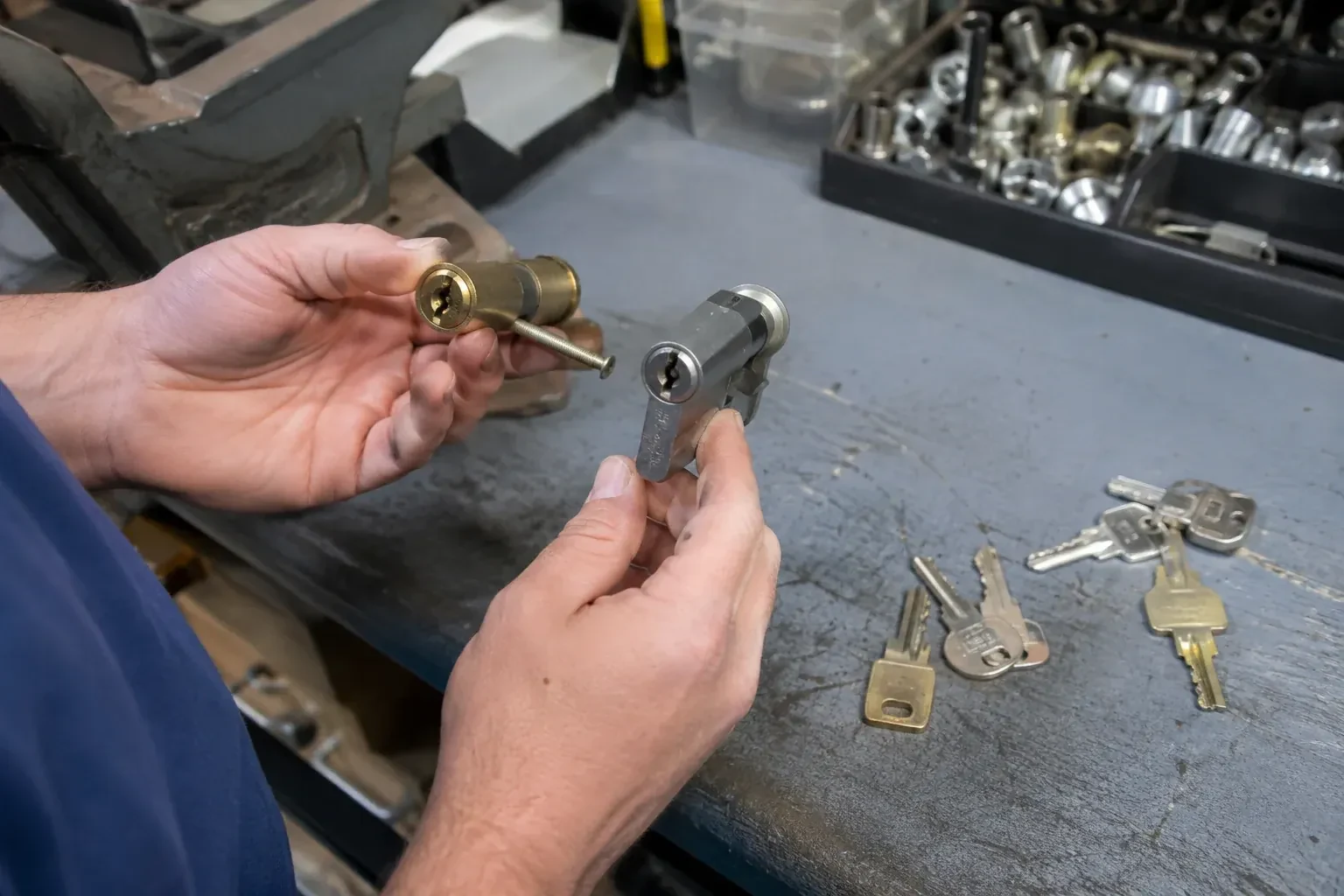
Broken key extraction is the removal of a snapped key piece from a lock so it can go back to work. It is done with slim hooks and spiral extractors that slide into the keyway beside the fragment, catch the cuts in the blade and draw it out the way it went in. First, the locksmith confirms you are entitled to the door or vehicle. Once the piece is out, the cylinder is inspected and cleaned, since a healthy lock does not rule out a key that was already worn, bent or fatigued, and a fresh key is cut so you are not relying on the copy that failed.
How the visit goesA roommate tried to help with tweezers, then by gluing the other half to it. The fragment is now further in than it started, there is dried glue around the keyway, and the front door still does not open.
Broken Key Extraction
How the visit goes
How the piece is sitting
The first look is at the fragment itself, without touching it. Does any of the blade show above the cylinder face, or is it flush or deeper still? Is the plug sitting at its normal rest position, or did it stop partway round when the key gave way? A protruding piece in a resting plug is the simplest case. A fragment past the shear line in a rotated plug means the pins are holding it, and the plug has to be brought back before anything will slide. Reading this correctly decides which extractor comes out of the case and spares the keyway from needless probing.
Bringing the plug back to rest
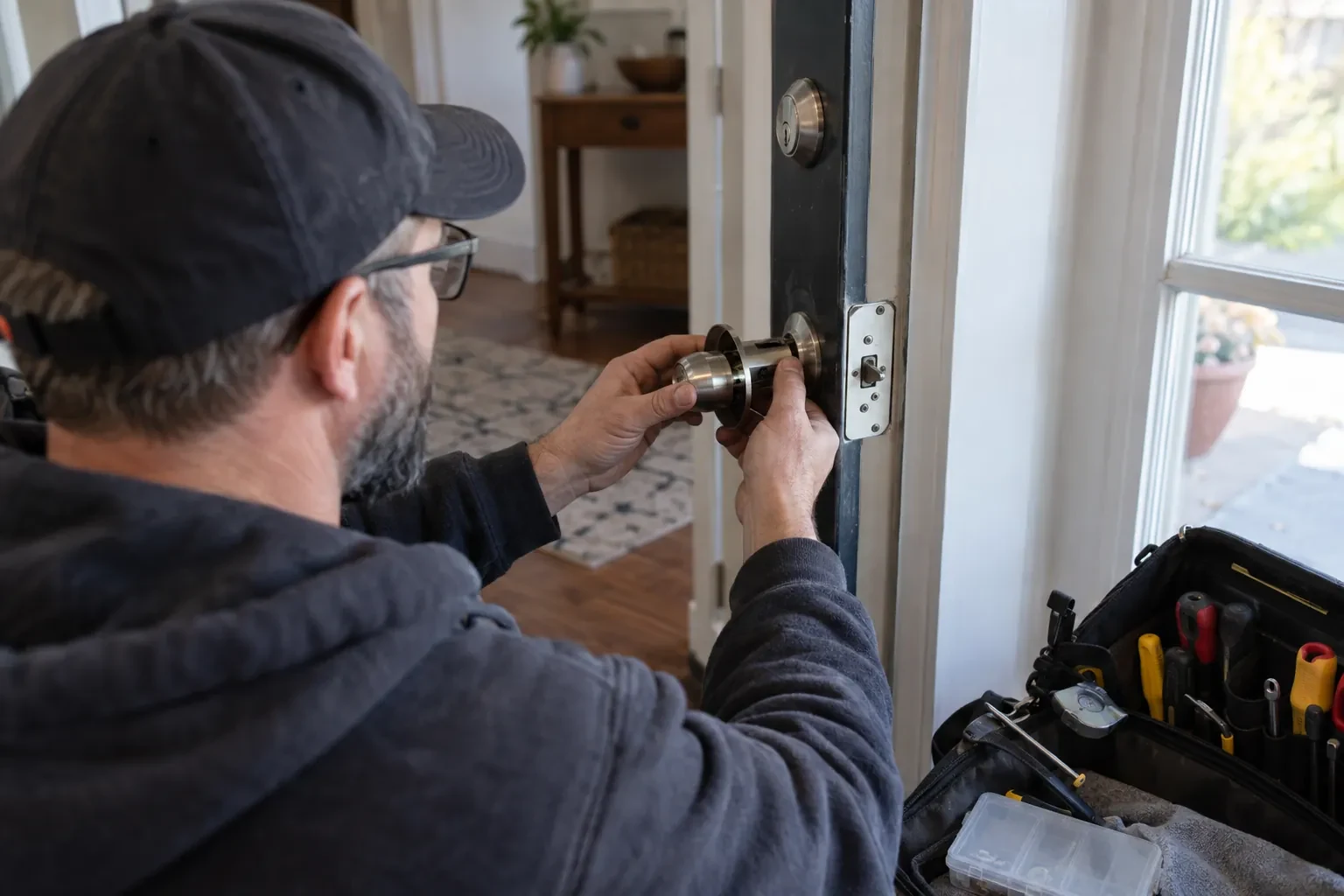
Nothing slides out of a rotated plug, because the pins that the key lifted are still sitting at the shear line and holding the blade. So when the key snapped mid-turn, the first job is to return the plug to its resting position. The locksmith applies gentle rotational pressure with a tension tool, feeling for the point where the pins drop back into the plug and the keyway lines up with the cylinder body. Sometimes a light tap on the face helps the pins settle. Only once the plug is at rest is the fragment free to move, and only then do the extractors go in.
A key cut from the pattern, not the wear
You leave with a key that was cut to the lock's original specification rather than traced from the tired blade that just failed. That difference shows every time you use it: it seats fully, lifts each pin cleanly and turns without a wiggle. Two or three copies made from that fresh cut give you spares that are as good as the first. The old bent or thinning keys that shared the ring are worth retiring now, because a key that has started to bend has started to crack, and the next one to snap will be one of them.
Broken Key Extraction
In the van
Key gauge and decoder
Lock de-icer
Tension tool for resetting the plug
Manufacturer-approved cylinder lubricant
Compressed air for the keyway
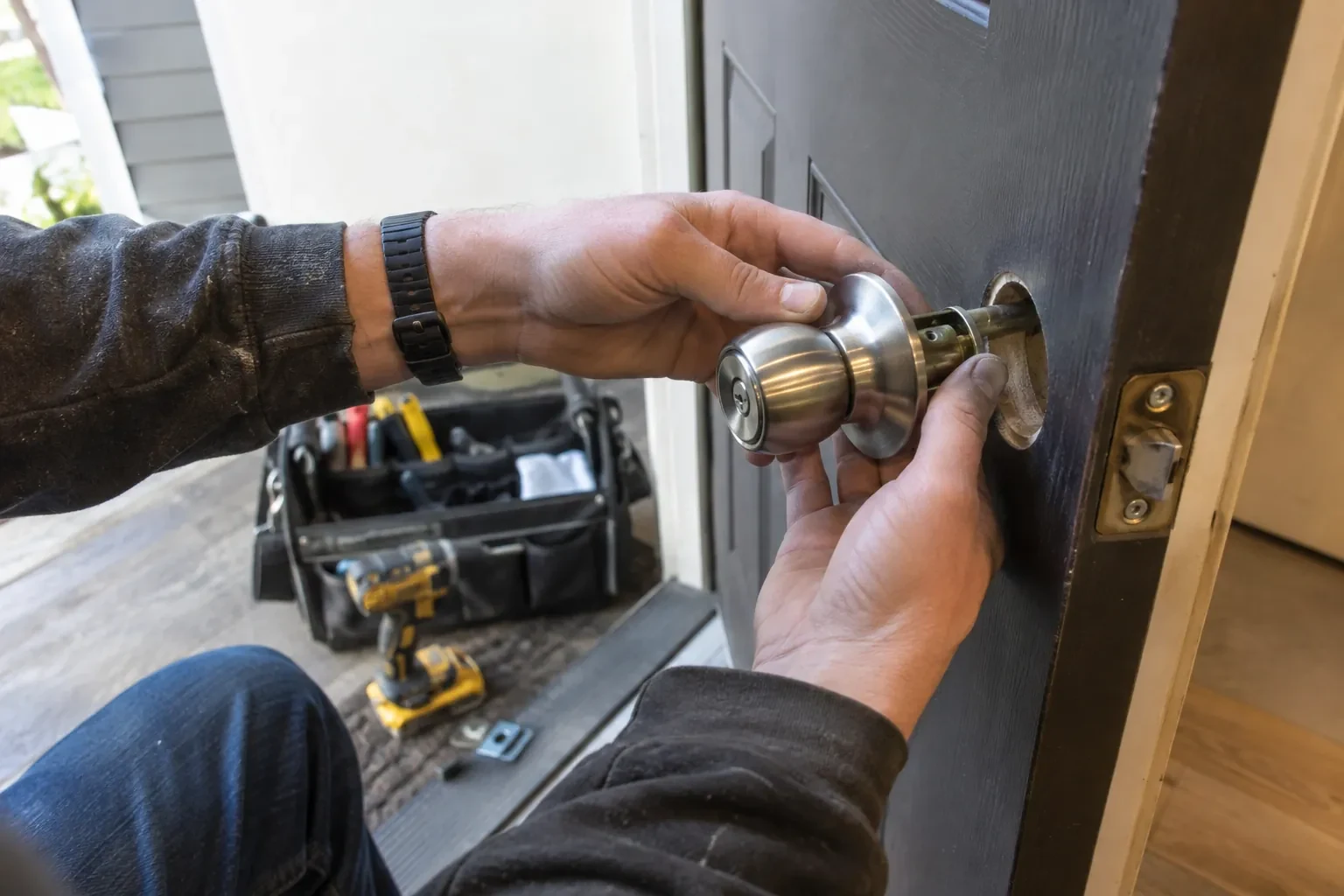
Broken Key Extraction
What affects the quote
Vehicle key electronics
Fitting a new blade to a chip head, or moving the chip and remote into a new shell, is separate from the extraction and quoted as such, as is any ignition check.
Locked or unlocked door
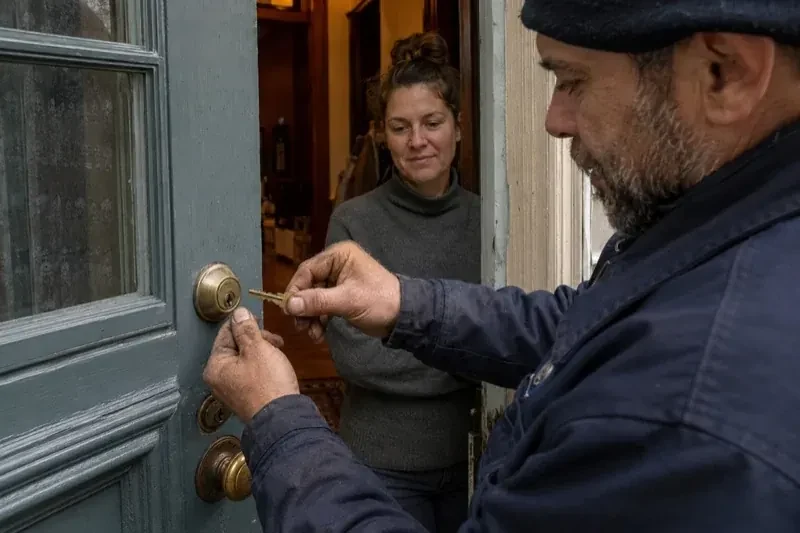
If the door is locked, the extraction is followed by opening it, which is quoted as its own part of the visit. If the door is open, the work is extraction and securing.
Condition of the cylinder
Worn pins, a loose cap, grit or corrosion found after the piece is out may call for a service, a rekey or a new cylinder, each explained and quoted separately.
What to have ready
- Was the lock frozen or the door swollen when it happened?
- Where did the key break: a house door, a padlock, a car door or an ignition?
- Would you like extra keys cut while the locksmith is there?
Broken Key Extraction: questions
QuestionsWill extracting the piece damage my lock?
Extractor tools grip the key, not the lock, and are meant to leave the pins, springs and plug as they were: hooks and spirals ride in the keyway grooves beside the fragment and draw it out the way the key travels. It is not certain, though; a deeply lodged fragment or a prior failure can still leave a lock, especially a vehicle cylinder, needing further work. Damage most often comes from what happens before the locksmith arrives, mainly tweezers, screwdrivers and glue, which is why leaving the keyway alone matters.
Will the lock work again once the piece is out?
In most cases yes, and it is tested in front of you with a key that fits. The inspection after extraction is where the honest answer lives: if the pins, springs and cap are sound and the keyway is clean, the cylinder goes back into service with a fresh key. If wear or damage caused the break, that is explained and a rekey or new cylinder is offered as a separate choice.
Should I rekey or replace the lock afterwards?
Only if the inspection finds a reason. A clean cylinder with sound pins goes straight back to work with a new key. Rekeying makes sense when the pins are worn and sticking, or when a lost or unaccounted key shares the same cut. Replacement is for a cylinder that is corroded, cracked or of a grade that will keep eating keys. Each is offered as its own decision, not bundled in.
Related services
- Business Lockout ServiceYou signed the lease on the unit last week and the landlord handed over possession, but the previous tenant's locks are still on both doors and no keys came with them.
- Break-In Damage Lock RepairThe back door looks closed until you touch it.
- Seized & Jammed Lock OpeningEvery time you pull the key out of the side door it comes away gritty.