Lockouts · Manilla
Lost Keys — Same-Visit Rekey in Manilla
A roommate moved out on bad terms and says the key was left on the counter.
In plain words
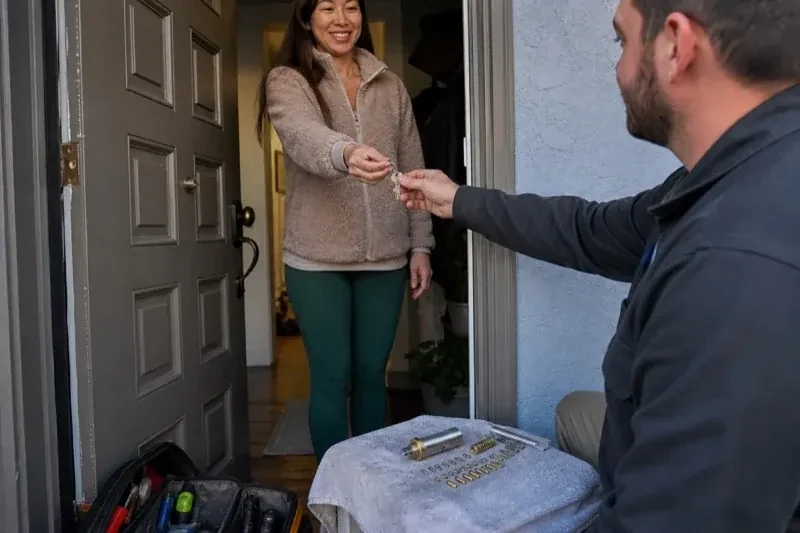
If you rent, losing a key is handled in three steps rather than one. Tell your landlord first, since a lock change on a rented unit goes smoother when both sides know about it and both end up with a working key. Then the locksmith rekeys the suite door, and any other cylinder that key fitted, with both parties knowing. Finally new keys are cut for you and for the landlord's set, so the arrangement that existed before the loss is restored on a fresh combination. Landlords generally welcome the call; their hardware stays in place and their own key set is refreshed too.
How the visit goesThe spare under the planter by the side door is gone. Everyone in the family swears they did not take it, the planter has clearly been shifted, and you have no idea how long ago that happened.
Lost Keys — Same-Visit Rekey
How the visit goes
Rekey or replace, cylinder by cylinder
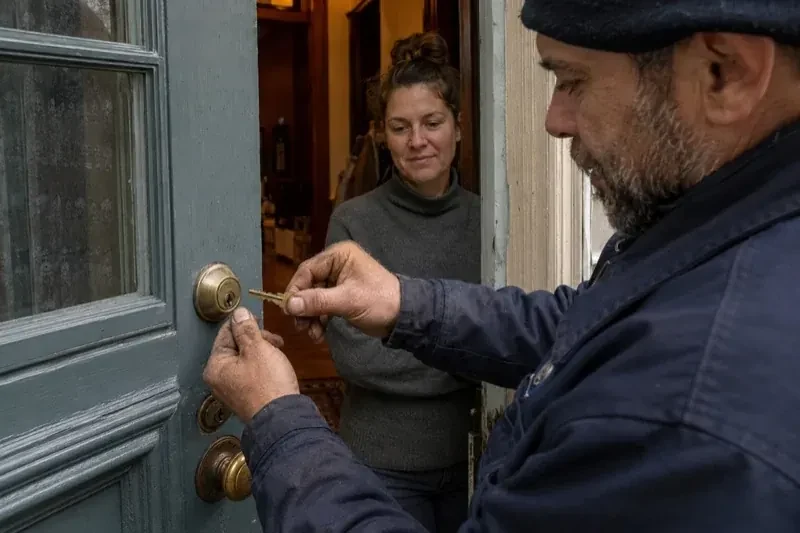
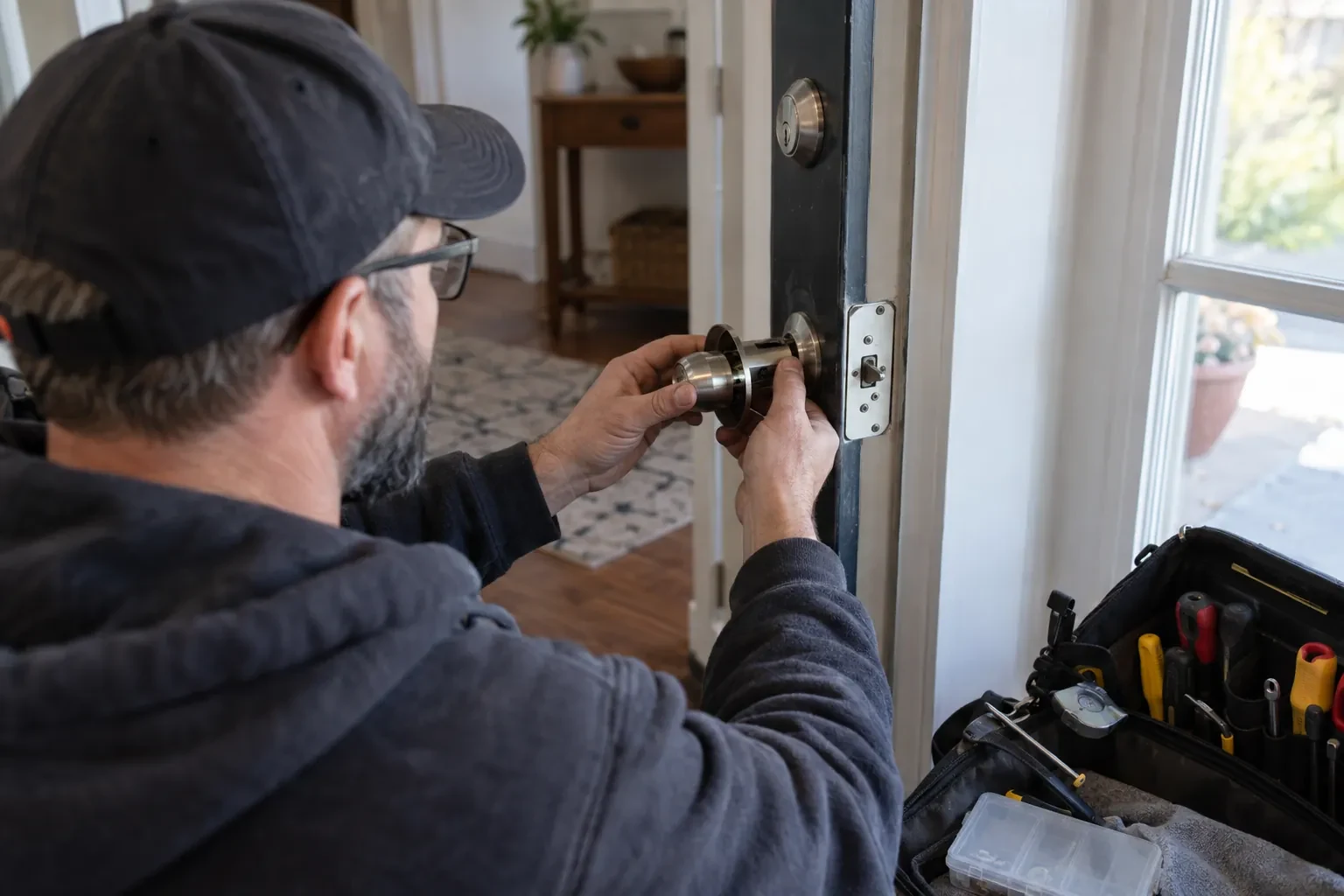
Rekeying suits hardware in sound condition, and most cylinders on a house qualify. The locksmith flags the exceptions while the list is being made: a plug worn oval by decades of use, a cylinder packed with salt and grit from a side door that faces the driveway, a knob lock so light it offers little resistance, or a keyway that no longer has blanks available. For those, a replacement cylinder or a complete new deadbolt keyed to match the rest is proposed as its own item, so you decide door by door. The aim is that every cylinder leaving the visit on a new key is one that will keep turning well for years.
Testing every key in every lock before leaving
The last part of the work is deliberate repetition. Each new key is tried in each cylinder it should open, with the door open and again with it closed and bolted, so a pin that feels fine on the bench is proven on the door. The old key is tried too and shown turning nothing. Cylinders that were dry or gritty get the lubricant their maker specifies, a puff of graphite, PTFE or a specified liquid product, and a few cycles to spread it. Screws are checked snug, covers seated, and the pile of old keys and any swapped cylinders is handed to you or taken away as you prefer. Only then is the key count confirmed and written down.
A note for the landlord or building manager
Where a tenancy, a condominium or a commercial lease is involved, the visit ends with a plain written note: which cylinders were rekeyed, how many keys were cut, who received them, and the key code if the property keeps a register. Tenants pass it to the landlord along with the landlord's set of new keys, keeping the paper trail on both sides current. Condominium managers can update the building's key record. A small business can file it with the lease. It is a few lines that save a long conversation later.
Lost Keys — Same-Visit Rekey
In the van
Rekeyable-cylinder reset tool
Key tags and a key register
Cylinder retaining-clip and cap tools
Dry graphite or PTFE lubricant
Pin tweezers and shims
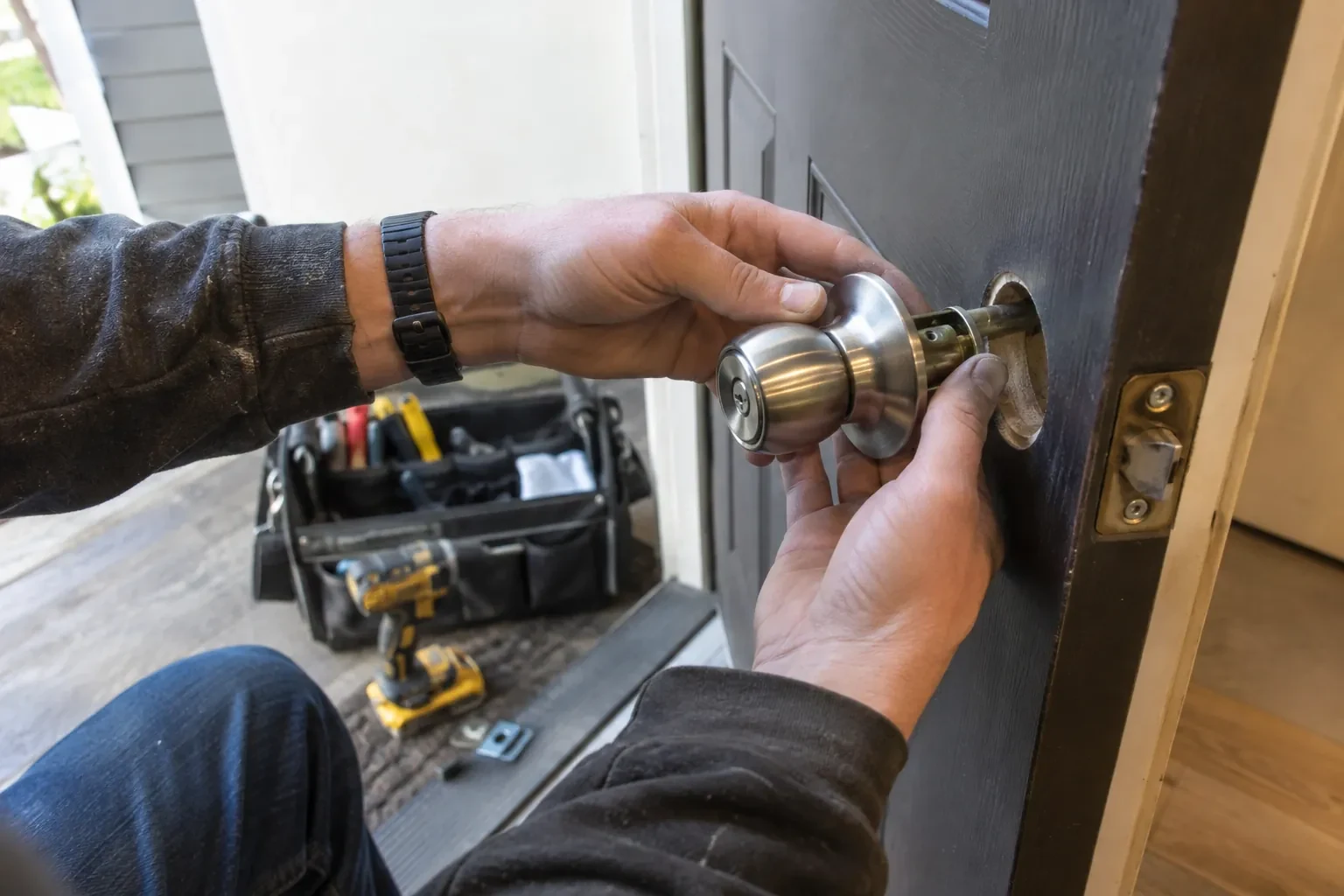
Lost Keys — Same-Visit Rekey
What affects the quote
Condition of the cylinders
A clean, healthy cylinder is repinned as is. One clogged with salt and grit is cleaned first, and a worn or damaged one is replaced rather than repinned, each priced as its own item.
Homeowner-rekeyable cylinders without a working key
Resetting a homeowner-rekeyable cylinder when its key is gone uses that system's own reset fixture, where the installed lock supports one, and a few extra minutes per cylinder, which shows as a small line on the quote.
Electronic credentials on the same ring
Clearing a garage opener's memory and re-pairing remotes, changing keypad codes or helping report a building fob are small tasks the quote names separately.
What to have ready
- Is any lock a keypad, smart lock or homeowner-rekeyable type?
- Do you own the property, rent it, or manage it for someone else?
- Do you know roughly how many copies of the old key exist?
Lost Keys — Same-Visit Rekey: questions
QuestionsWhen is replacing a lock better than rekeying it?
When the hardware itself is the weak point: a plug worn oval, a cylinder eaten by salt from a driveway-facing door, a light knob lock on an exterior door, a keyway with no blanks left in supply, or when you want a different style, a heavier deadbolt or a keypad. In those cases a new lock keyed to match the rest of the house is fitted in the same visit. Everything else is rekeyed.
How long does a whole-house rekey take?
Plan on an hour or two for a typical house with three or four cylinders, including the walk-through, identification, pinning, cutting and testing. Each additional cylinder adds a little, as does swapping a cylinder to bring a mismatched door onto the same key, resetting a homeowner-rekeyable lock or clearing a garage opener. The locksmith gives a realistic window on the phone once the list of doors is known.
Is rekeying the same as changing the locks?
They lead to the same result, a door that a different key opens, by different means. Changing the locks puts new hardware on the door. Rekeying keeps the deadbolt and handle you have and changes what is inside the cylinder, commonly the bottom pins on a conventional lock or a reset on a homeowner-rekeyable one, so a new key operates it and the old one turns nothing. For hardware in good condition, rekeying is the natural choice after a lost key because nothing about the door's look or fit changes.
Related services
- Business Lockout ServiceYou signed the lease on the unit last week and the landlord handed over possession, but the previous tenant's locks are still on both doors and no keys came with them.
- Broken Key ExtractionOvernight the deadbolt froze, and this morning the key would only turn partway.
- Break-In Damage Lock RepairThe back door looks closed until you touch it.