Lockouts · Kawartha Lakes
Break-In Damage Lock Repair
The back door looks closed until you touch it.
In plain words
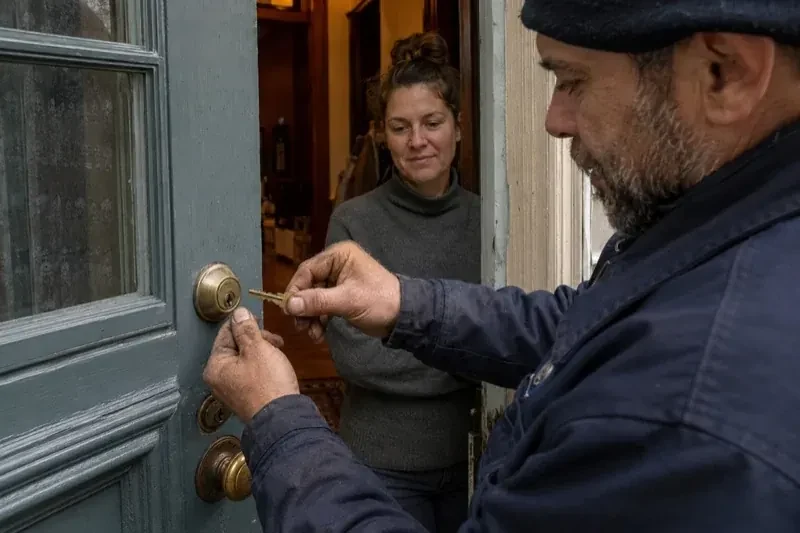
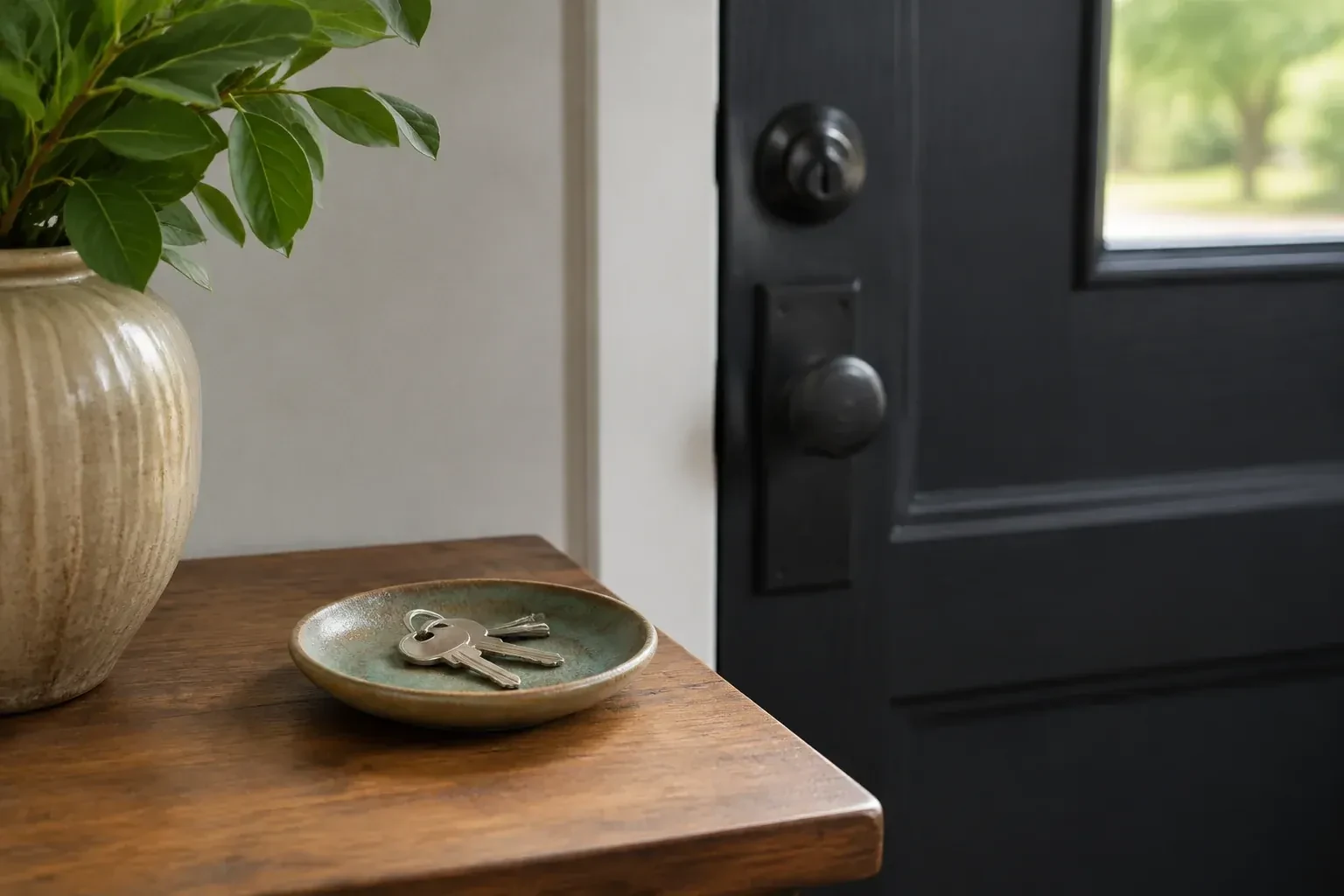
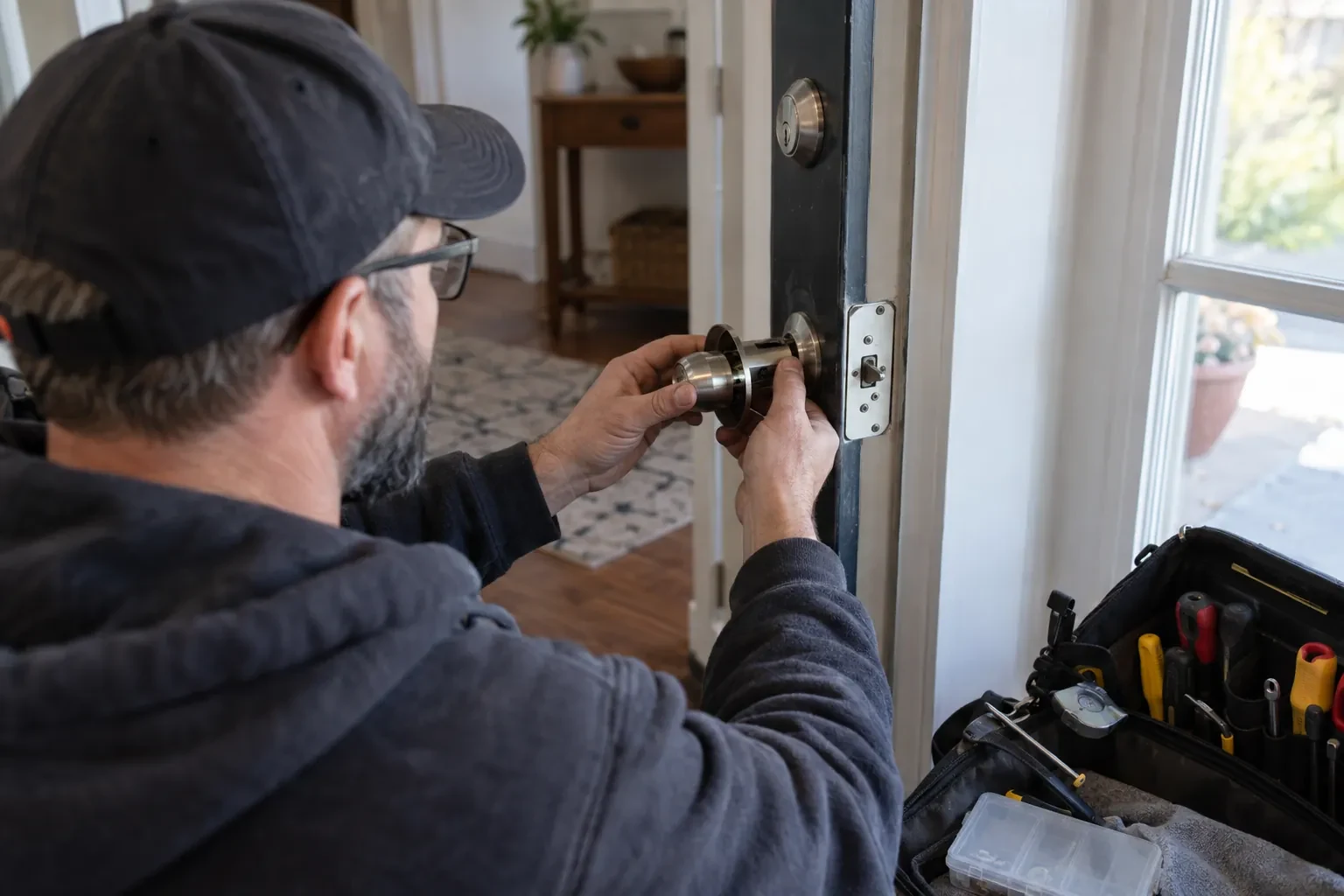
When a home is broken into, the locks are not the only thing that has changed hands. Keys hanging in the hall, a spare in a drawer, a garage remote on a visor or a house key on a stolen car's ring may all be gone. Part of break-in damage repair is closing that door too. Every cylinder those keys fit is rekeyed or replaced and fresh keys are cut, the mailbox and padlocks are considered, and you are reminded to reset the garage opener and any alarm codes that were written down. The forced door gets fixed, and the missing keys stop mattering at the same time.
How the visit goesThe shop's aluminum door has a bent meeting stile and the hookbolt is jammed half out. The alarm did its job and the display is untouched, but the entrance will not close properly and opening time is hours away.
Break-In Damage Lock Repair
How the visit goes
Photographs before parts move
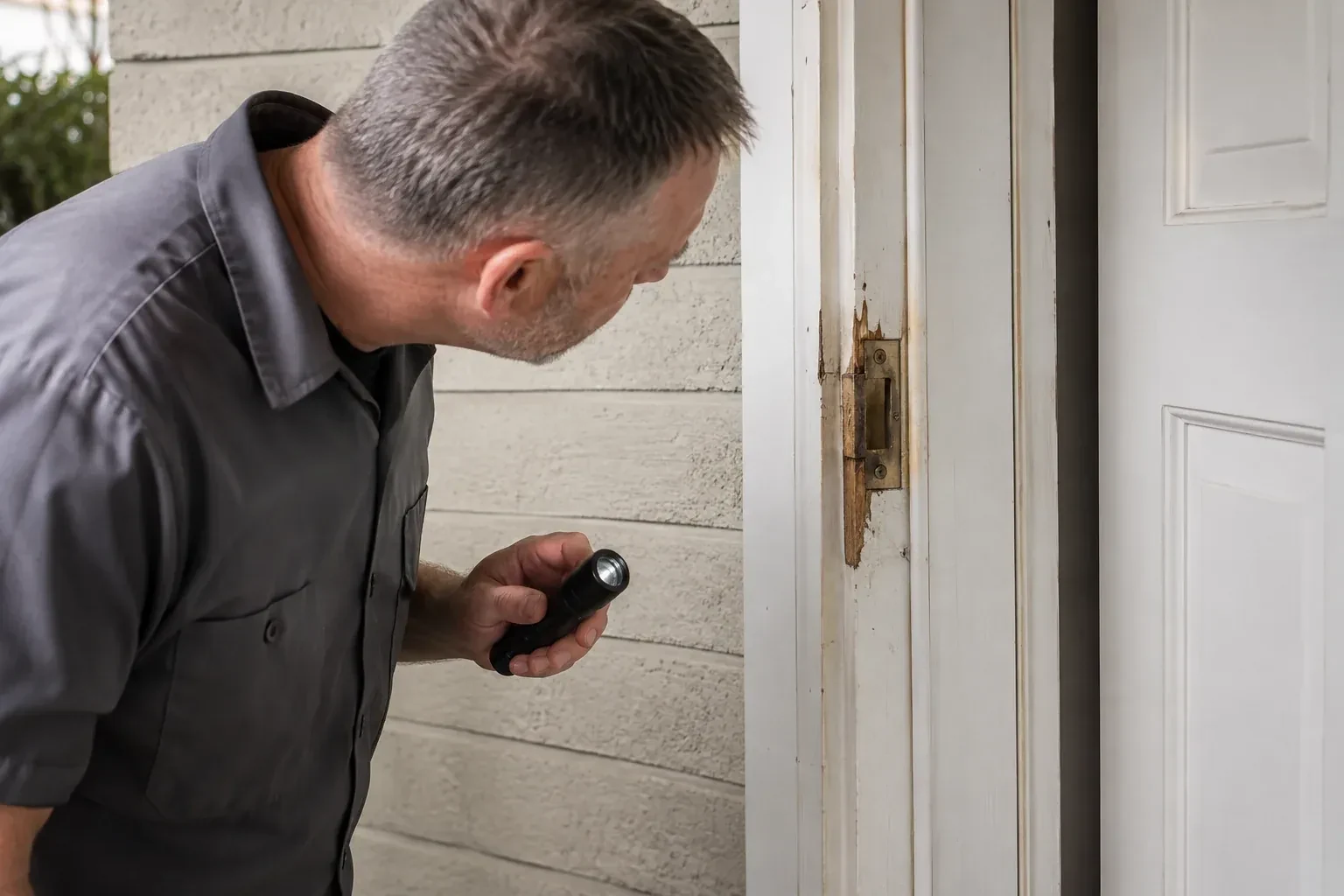
Nothing on the door is touched until it has been photographed as found. The locksmith records the door face and edge, the lock and cylinder, the strike and the wood around it, the hinges, the jamb and any broken glass, plus the tool marks that show how entry was made. These images serve the police occurrence file and the insurance claim, where insurers ask for damage to be documented and damaged property kept. You are encouraged to take your own set too. Once the record exists, hardware can come off and the repair can start without anyone later wondering what the door looked like at the beginning.
Strengthening the door edge and hinges
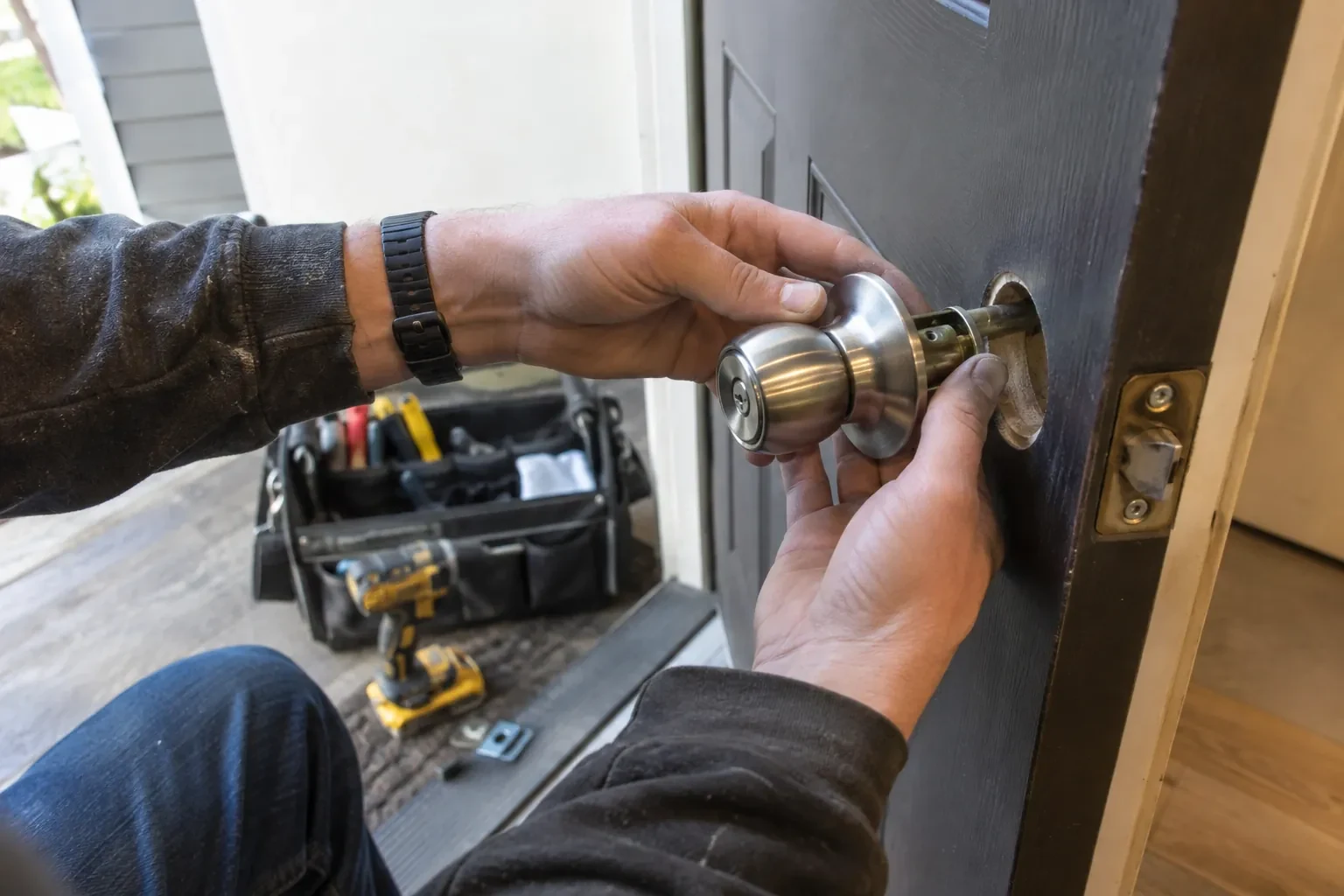
Where a pry bar crushed the edge or the wood split around the lock bore, a wrap-around reinforcer is fitted: a steel channel that sleeves the door edge at the lock, ties the two faces together and gives the bolt and latch a solid seat. On the hinge side, the short factory screws are swapped for three-inch screws that reach the framing, and a bent hinge is replaced. Doors that were kicked hard sometimes need a hinge reinforcement plate across the jamb to spread the load. With both edges strengthened, the door no longer has a soft side, and a future kick meets steel and stud at every point that matters.
For tenants and landlords: who holds what
In a rental the repair closes with keys changing hands properly. Provincial tenancy rules place repairs on the landlord and expect a landlord who changes a lock to give the tenant a key, while a tenant changes locks only with the landlord's agreement. So the locksmith notes who authorized the work, how many keys were cut and to whom they were handed, and leaves a copy for both sides. In a condo or apartment building, the superintendent or property manager receives the same note so master key or fob records stay accurate. Everyone ends the day knowing which key opens the repaired door.
Break-In Damage Lock Repair
In the van
Jamb repair plate
Three-inch strike and hinge screws
Latch guard plate
Anti-lift blocks and foot bolt
Wrap-around door edge reinforcer
Break-In Damage Lock Repair
What affects the quote
Sliding door hardware
Putting a slider back on its track, replacing its latch and adding anti-lift blocks, a foot bolt or an auxiliary lock is a different parts list from a hinged door, and is quoted as such.
Grade of the replacement deadbolt
A residential deadbolt with a one-inch throw and hardened insert, a heavier commercial-grade unit and a keypad or smart deadbolt sit at different points, and the quote names the one you choose.
Door and frame material
A wood jamb over a stud takes standard reinforcement. Steel frames, jambs on masonry, fibreglass doors and aluminum storefront stiles each need their own fasteners and methods, which changes both labour and parts.
What to have ready
- Have the police been called, and do you have an occurrence number?
- Which door or opening was forced, and does it still close at all?
- Is this a suite door in an apartment or condo building?
Break-In Damage Lock Repair: questions
QuestionsWhy did the frame break instead of the lock?
Because that is where the weak point was. A standard strike plate is held by two short screws in a soft wood jamb, and the deadbolt only reaches into a shallow pocket behind it. A kick delivers the full weight of a body to those screws, and the wood around them splits along the grain. The bolt itself is rarely the failure. That is why the repair concentrates on the strike side: a boxed strike, a full-depth pocket and long screws into the stud.
The intruder pried open our sliding patio door. Can it be made secure?
Yes. The panel goes back on its track and the broken latch is replaced, then the weaknesses a slider is born with are addressed: anti-lift blocks in the upper channel so the panel cannot be raised off its rollers, a foot bolt or pin lock through the frame at the bottom, and an auxiliary keyed lock if the latch alone is flimsy. A bowed frame may need a door installer, with the opening secured until they come.
I rent. Who arranges the repair, and can I change the lock myself?
Tell your landlord or property manager as soon as the police have been called; provincial tenancy law makes the landlord responsible for repairs to the unit, and most will arrange the locksmith. A tenant may not change locks without the landlord's agreement, and a landlord who changes them must give the tenant keys, so the visit is coordinated between you. If you arrange securing yourself in an emergency, keep the receipt and the record of what was done for both sides.
Related services
- Business Lockout ServiceYou signed the lease on the unit last week and the landlord handed over possession, but the previous tenant's locks are still on both doors and no keys came with them.
- Broken Key ExtractionOvernight the deadbolt froze, and this morning the key would only turn partway.
- Seized & Jammed Lock OpeningEvery time you pull the key out of the side door it comes away gritty.