Change or rekey
Change or Rekey Locks
Living well behind a locked door means never thinking about it. The lock turns, the bolt holds, everyone who should have a key has one and nobody else does. Getting a house to that point is what the residential services are for.
Which one do I need?
- Your basement tenant has given notice, and a new one arrives on the first.Lock Rekeying
- The back door has a deadbolt in name only: a short bolt, a thin brass strike held by two little screws, and a jamb you can flex with your palm.Deadbolt Installation
- Three teenagers, a dog walker, a cleaner and one house key that keeps going missing.Lock Replacement & Upgrade
- You bought a house with its original hardware and a bag of loose keys.Vintage Mortise Lock Service
- Your mother still lives on her own, and the personal support worker, the pharmacy delivery and two siblings all need to get in on different days.Smart Lock Installation
- A visitor buzzes from the panel downstairs, someone presses the button by the door, and nothing happens.Gate & Building Entry Locks
Change or Rekey Locks
New keys for the locks you have, or new locks where the hardware has worn out: rekeying, replacement, deadbolts, smart locks and older mortise hardware.
Lock Rekeying
Reading the keyway on each lock
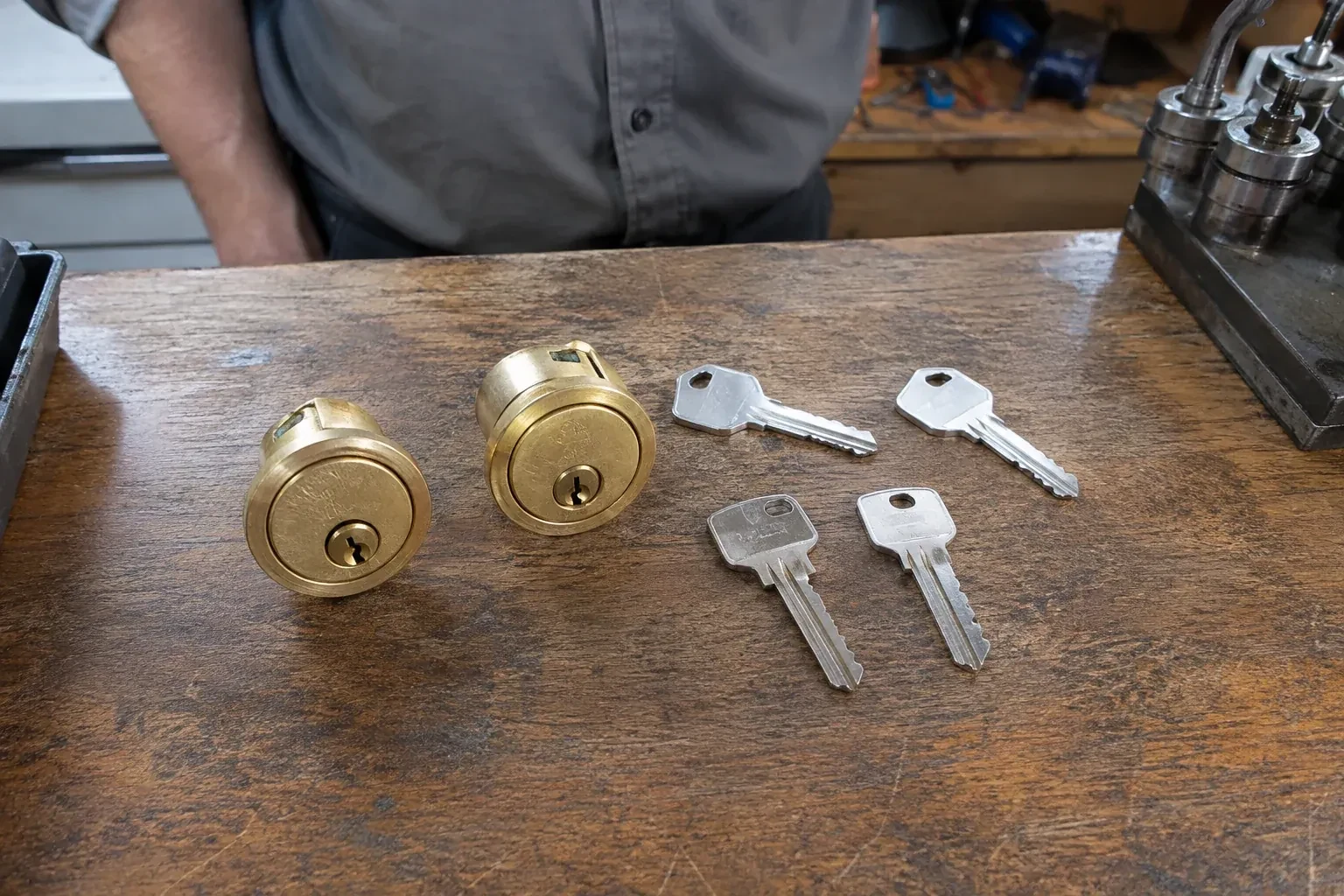
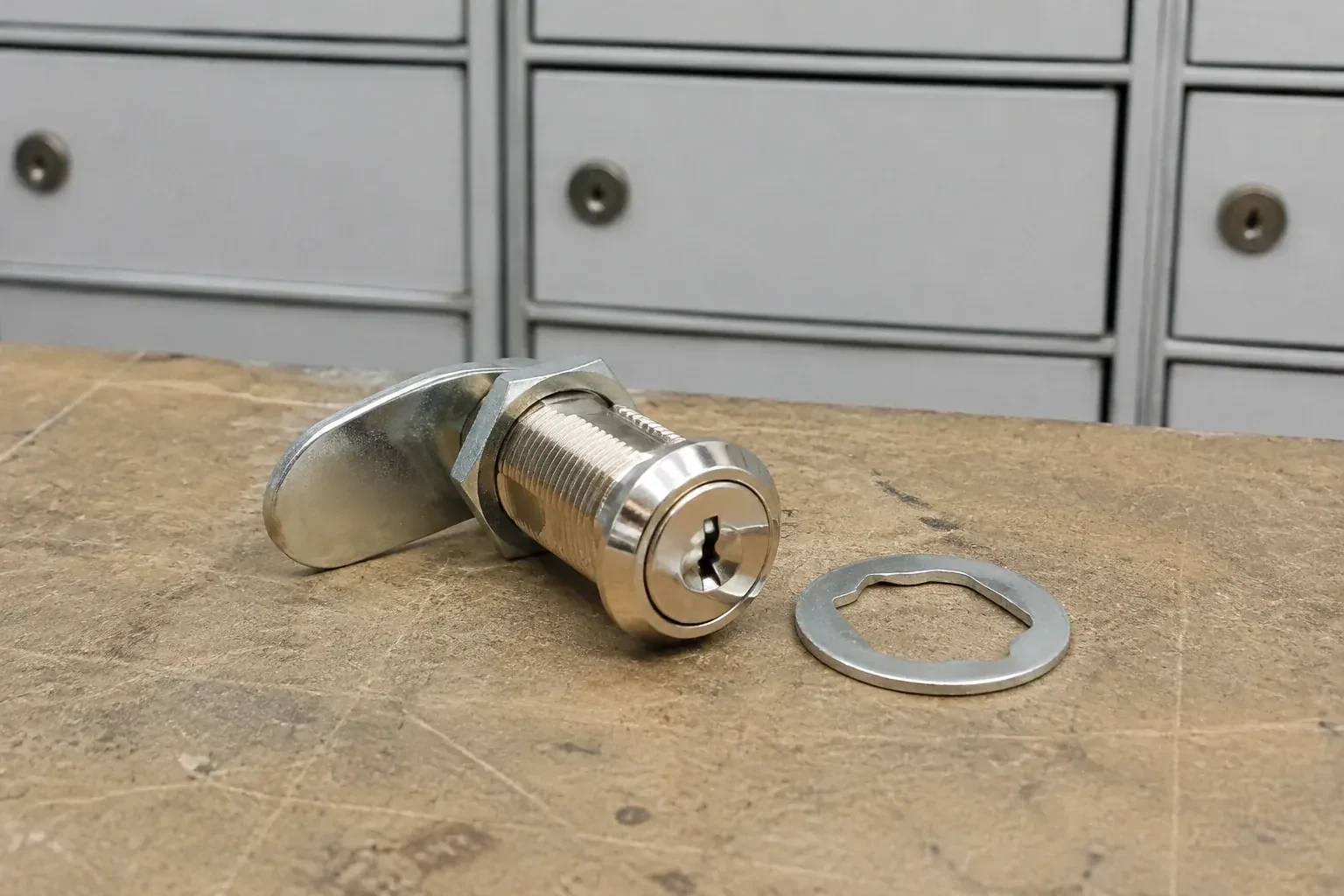
Whether several doors can share one key depends on the cylinders, not the number of doors. Each lock has a keyway, the profile a key must match to enter the plug, and only cylinders with the same keyway can be pinned to the same key. The locksmith looks at the face of each cylinder and the profile of each existing key to sort the house into families.
Most homes carry one or two of the common residential keyways, sometimes with an odd one on a side door or a padlock. Anything from a different family is noted so you can decide whether to swap that cylinder for a matching one and bring the door onto the house key.