Locksmith in Keneden Park, OntarioExit doors, closers,and hardware that lasts
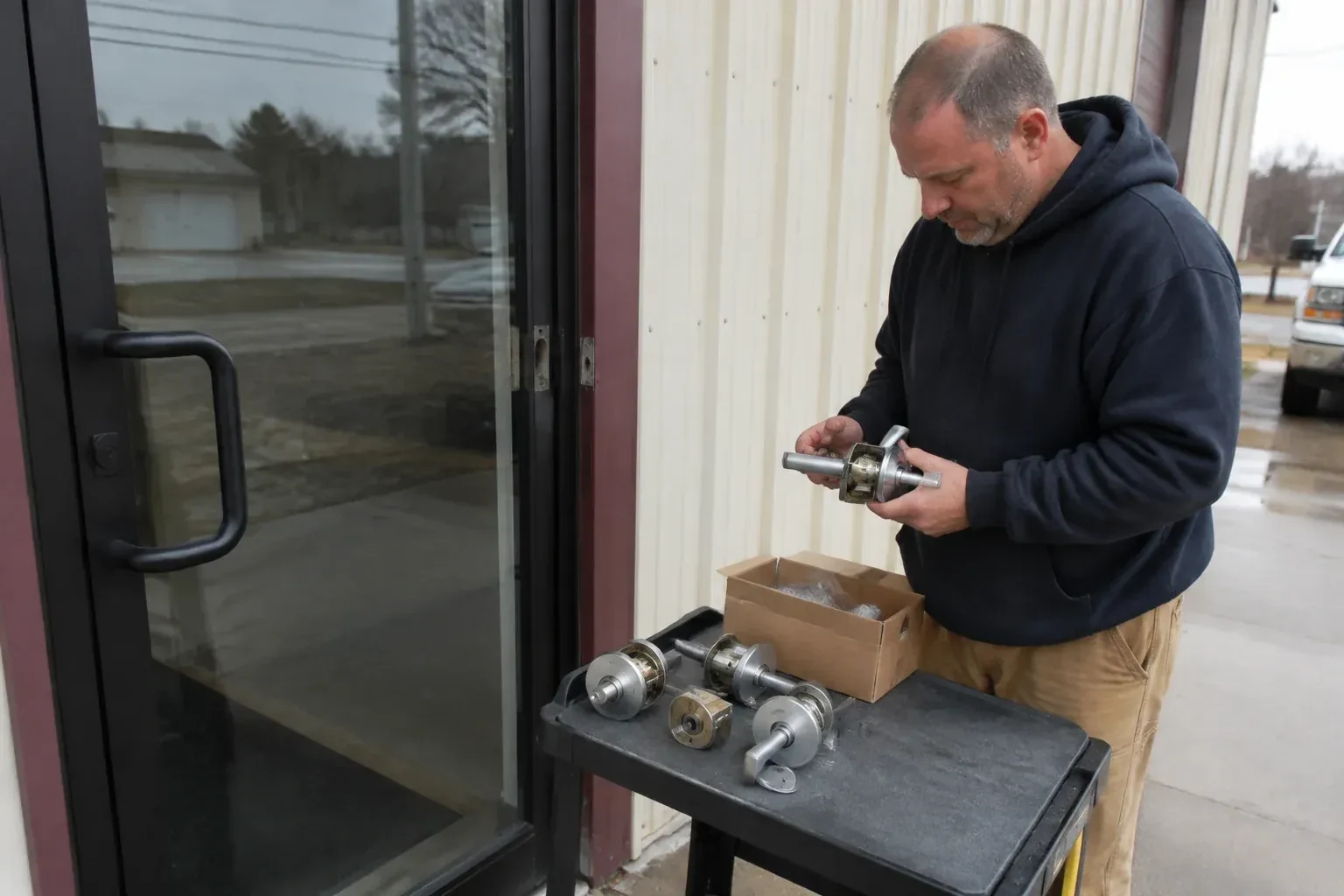
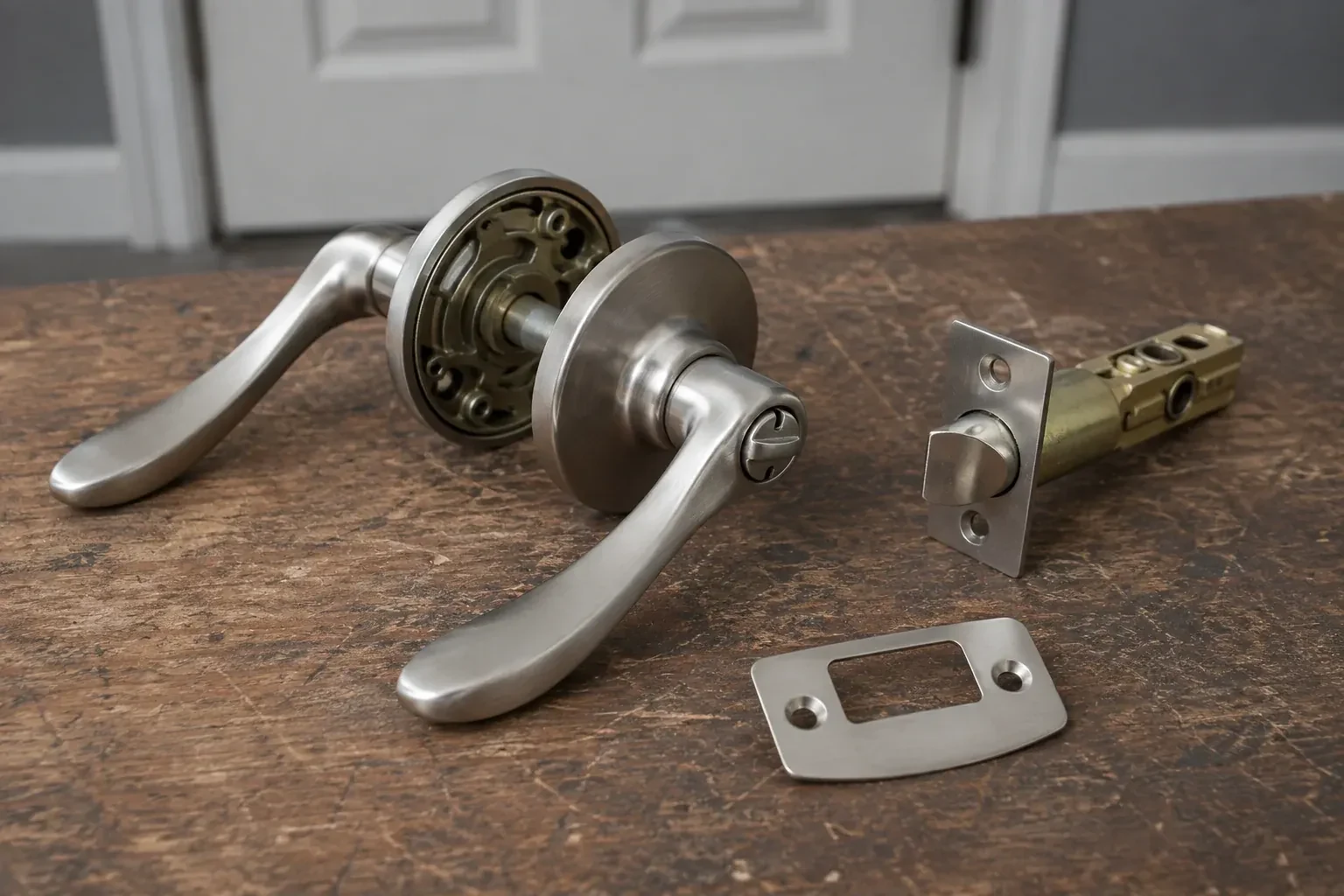
Commercial doors in Keneden Park take a beating: hundreds of openings a day, deliveries, weather, the odd kick. We fit lever sets, closers, push bars and deadlatches built for that traffic, adjust them so the door shuts and latches on its own, and come back to service them before they fail. Calls from Bethel, Cowan's Bay, Cunningham's Corners, Downeyville, Fee's Landing, Fox's Corners, Hillhead Corners, Kings Wharf, Omemee, Orange Corners and Reaboro are covered too.
Commercial doors in Keneden Park take a beating: hundreds of openings a day, deliveries, weather, the odd kick. We fit lever sets, closers, push bars and deadlatches built for that traffic, adjust them so the door shuts and latches on its own, and come back to service them before they fail. Calls from Bethel, Cowan's Bay, Cunningham's Corners, Downeyville, Fee's Landing, Fox's Corners, Hillhead Corners, Kings Wharf, Omemee, Orange Corners and Reaboro are covered too.
We look after the door, not just the lock.
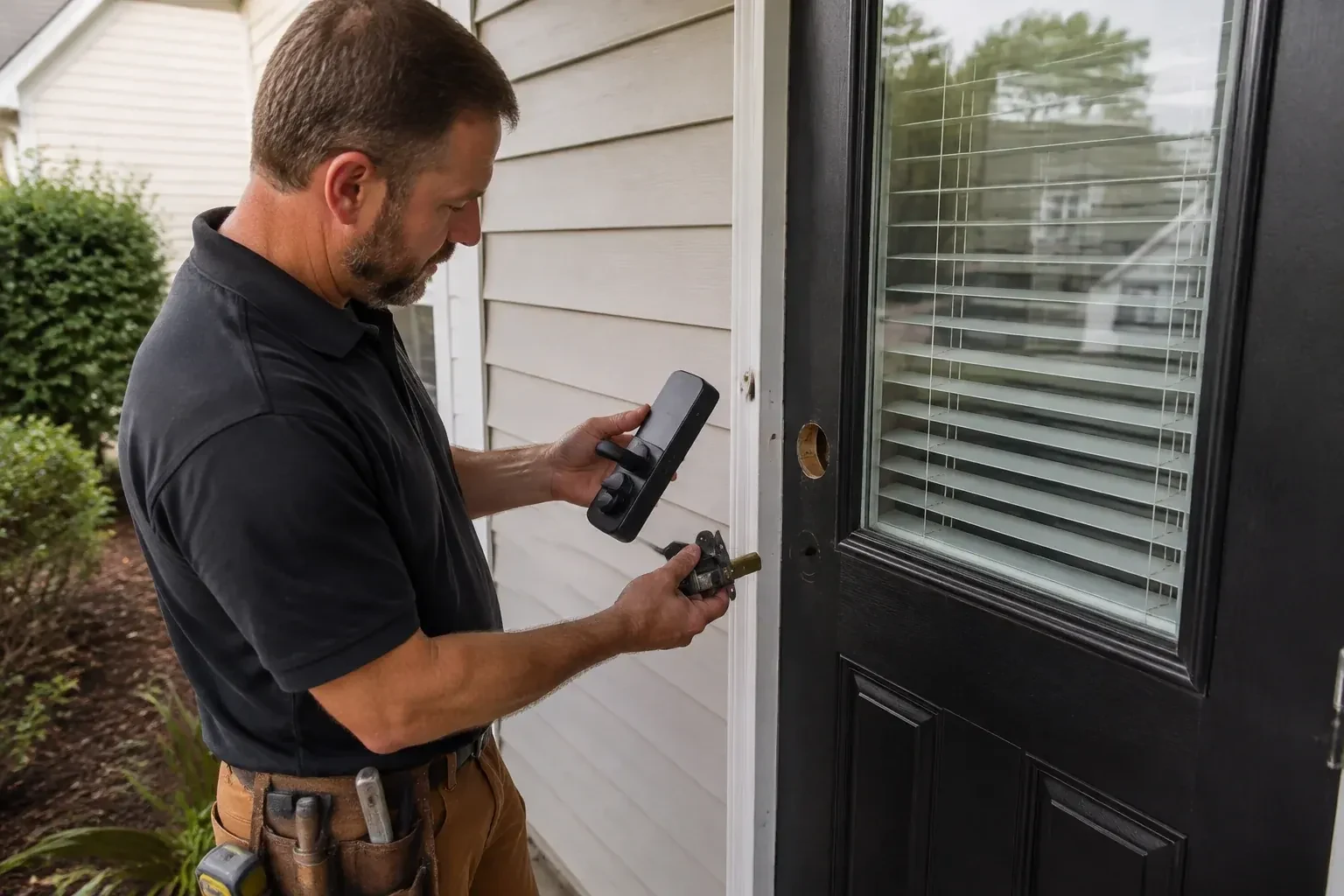
For a condo or apartment in Keneden Park we work within the building's rules. The suite door is yours and gets whatever cylinder, strike or closer suits the way you live. Common doors belong to the building, and we coordinate with management before touching them. You get a secure unit without a letter from the board.
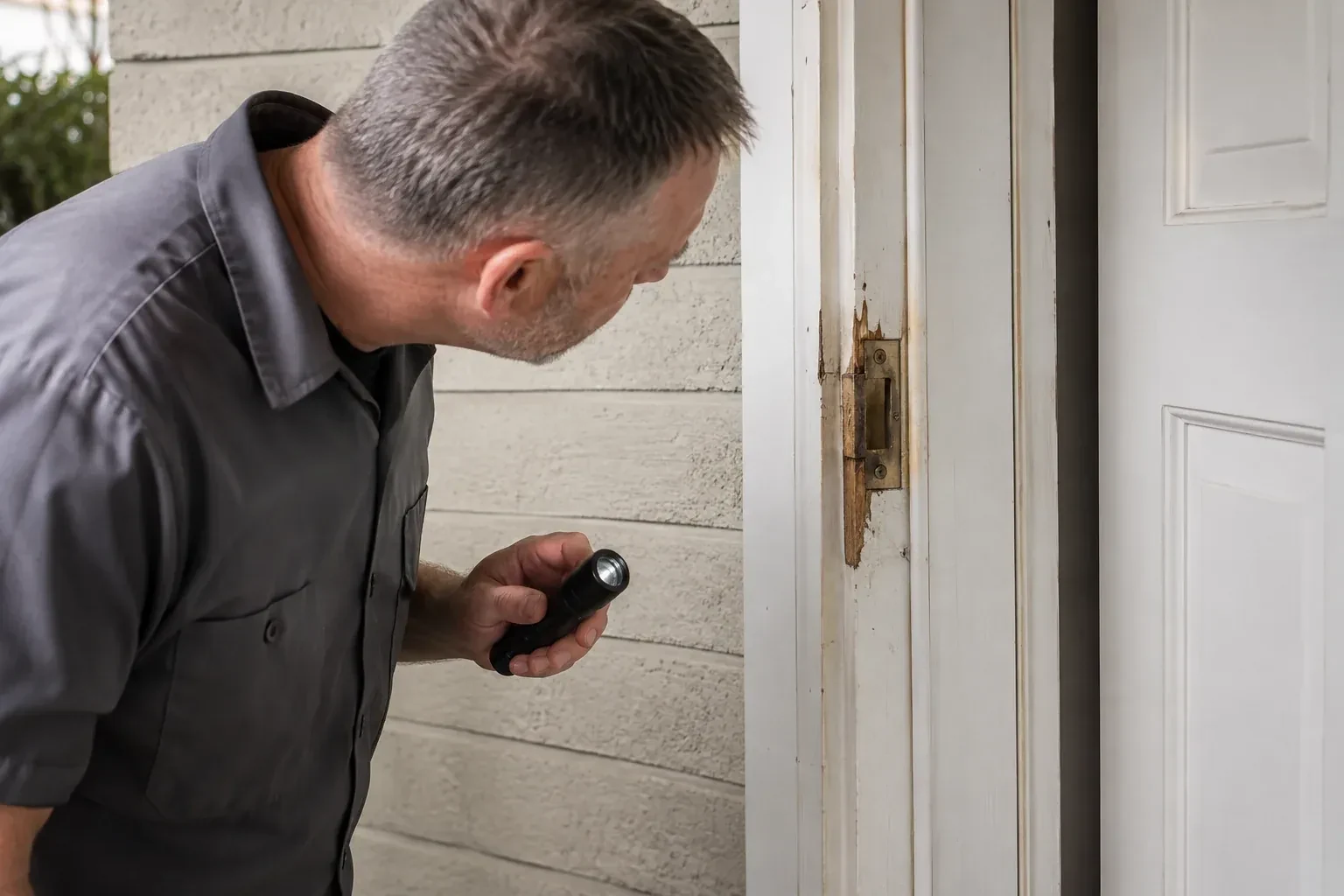
Shopkeepers along the commercial streets of Keneden Park know the back door is usually the weak spot. We look at closers, strikes, frames and hinges as well as the lock, fit hardware that keeps the door shut without staff having to think about it, and set up keys or codes so access can be managed as people come and go.
33years in business
24/7open every day
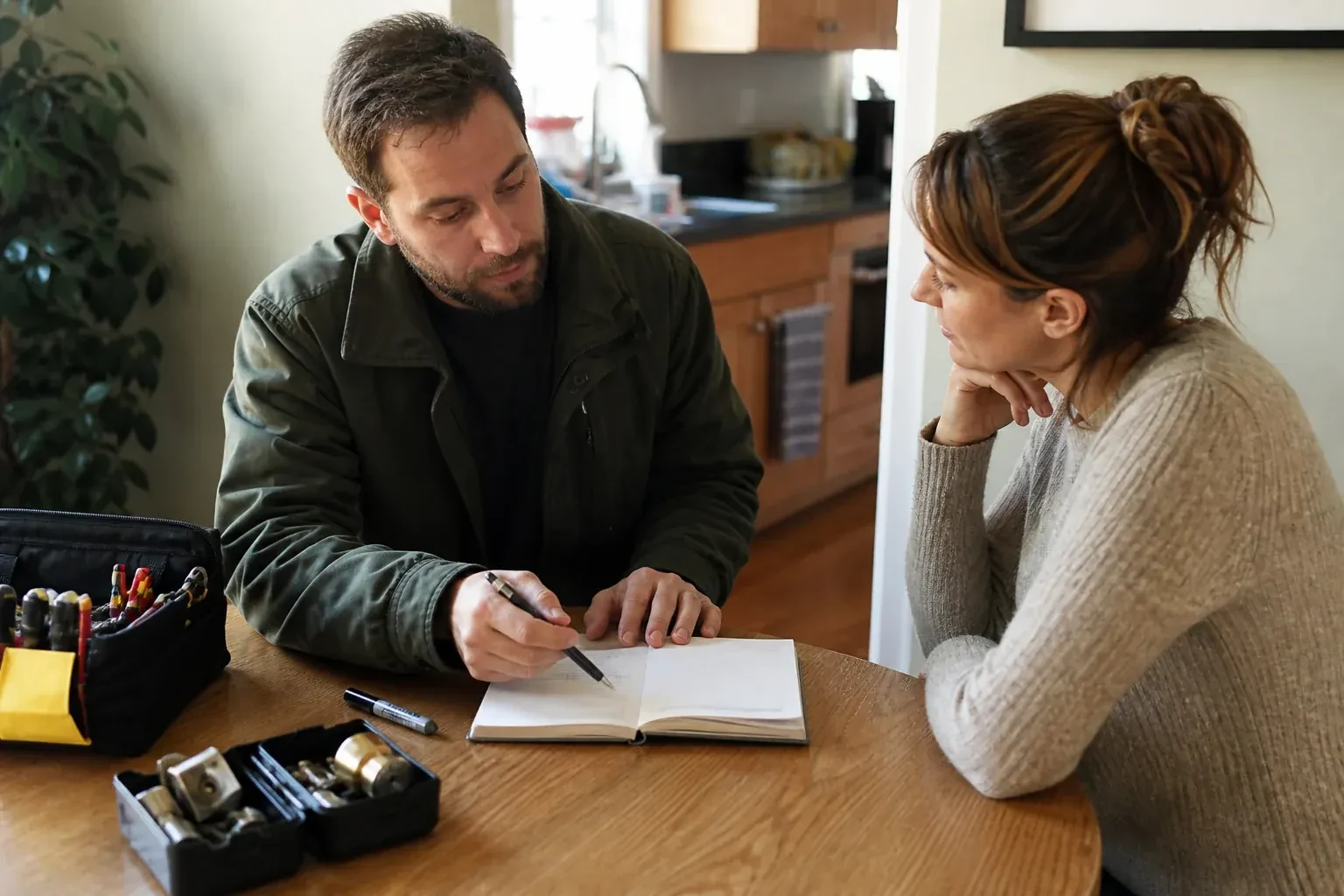
Questions welcomed. Ask about the lock, the method, the parts or the reasoning. A good explanation is part of the service, not a favour.
Nothing forced that could be finessed. We reach for picks and shims before drills, and we tell you if the lock has left us no gentle option.
Swept, wiped and working. Metal filings, drywall dust and old screws all leave with us. The lock is tested from both sides and the key handed over.
The lock services offered in Keneden Park are grouped the way a door is used. Getting back in when you are locked out. Deciding who holds a working key. Upgrading the hardware so the door resists more than a casual try. Keeping commercial entrances working. Opening and maintaining safes. Each is described below.
About 56% of homes in Kawartha Lakes were built in 1980 or earlier, according to the 2021 Census.
Older homes
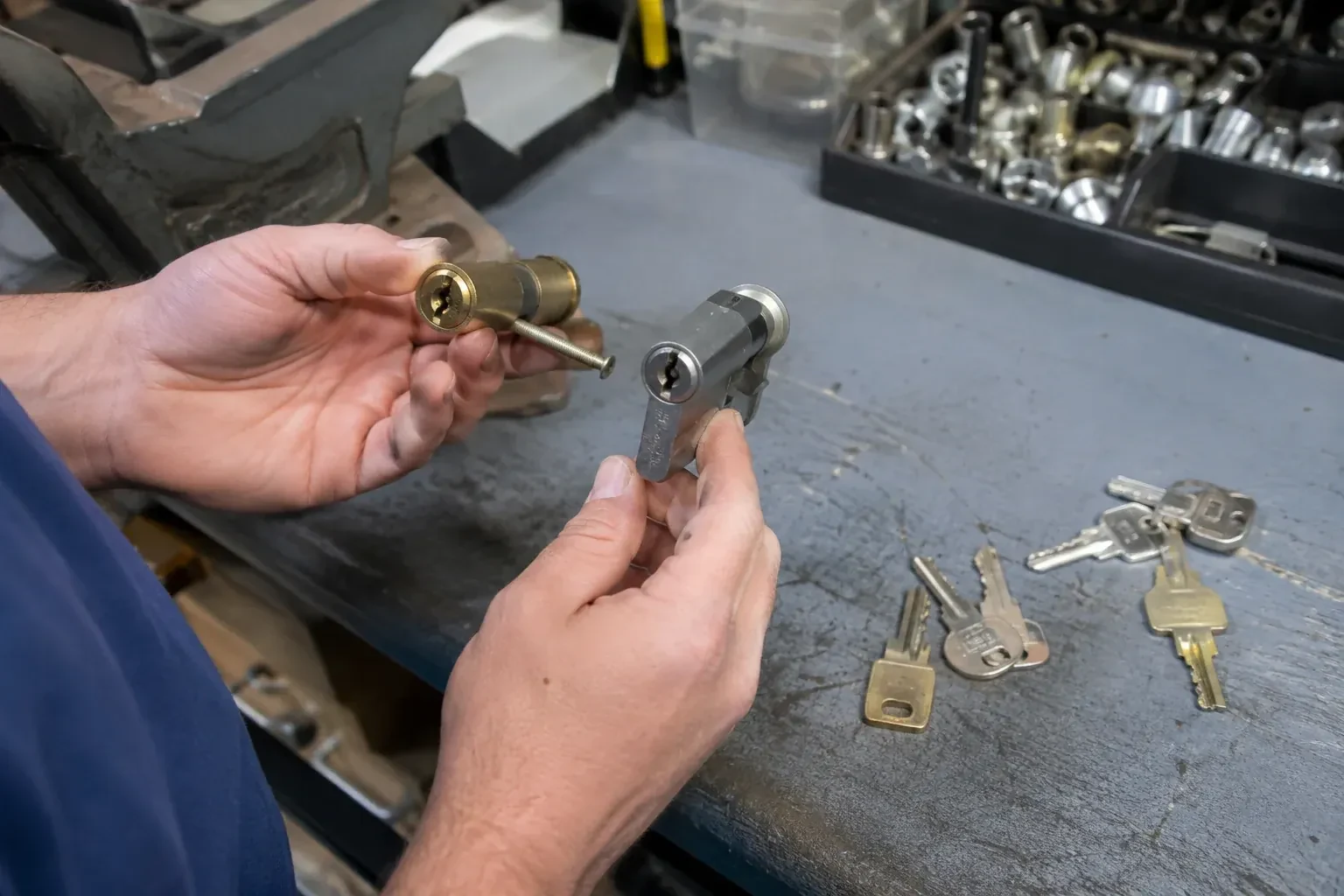
Old brass keys wear thin, and a key that has bent for years finally lets go in a cold cylinder. In older housing stock this is a regular call, so the locksmith is ready to extract the piece, check the cylinder and cut a new key from the code.
Single-detached houses make up about 84% of homes in Kawartha Lakes (2021 Census).
Mostly houses
A detached house gives a locksmith room to work: full access to both sides of every door, hinges and frames included. Repairs and upgrades can be thorough, from the front deadbolt to the gate latch, with nothing off limits.
For a business, high security means the stockroom, the cash office and the server closet hold whatever happens, and a departing manager's key cannot be quietly copied. Restricted keyways, numbered keys and a signed register are how that is achieved.
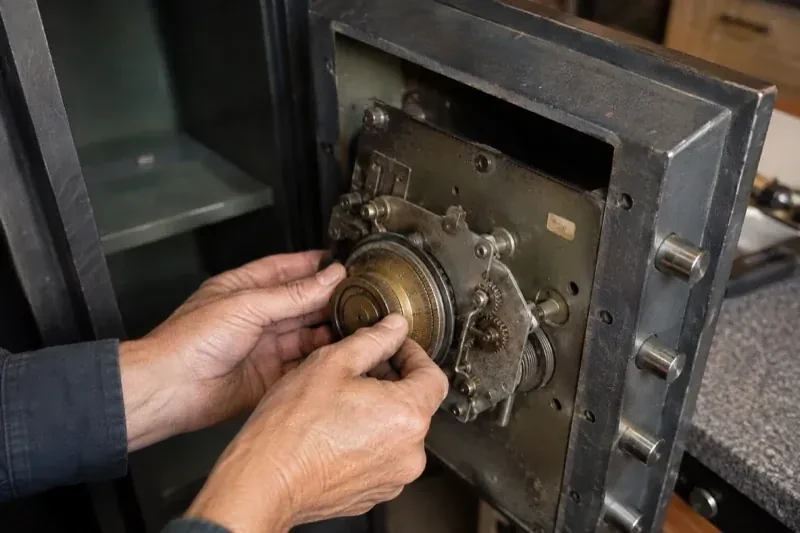
The bookkeeper who set the office safe's code retired in a hurry, and the float cash for tomorrow's registers is sitting behind a keypad nobody else in the building can operate.
The office is moving three blocks over, and the old commercial safe that has sat bolted to the concrete for fifteen years now needs to come out, travel across town, and go back down just as solidly.
Which fix fits?
After a week of humid weather the back door has swollen in its frame.
WhyMost seized locks can be saved, and keeping your existing hardware is the aim.
You've just moved in, and the mailbox compartment in the lobby came with a single key the previous owner mailed back separately, or never handed over at all.
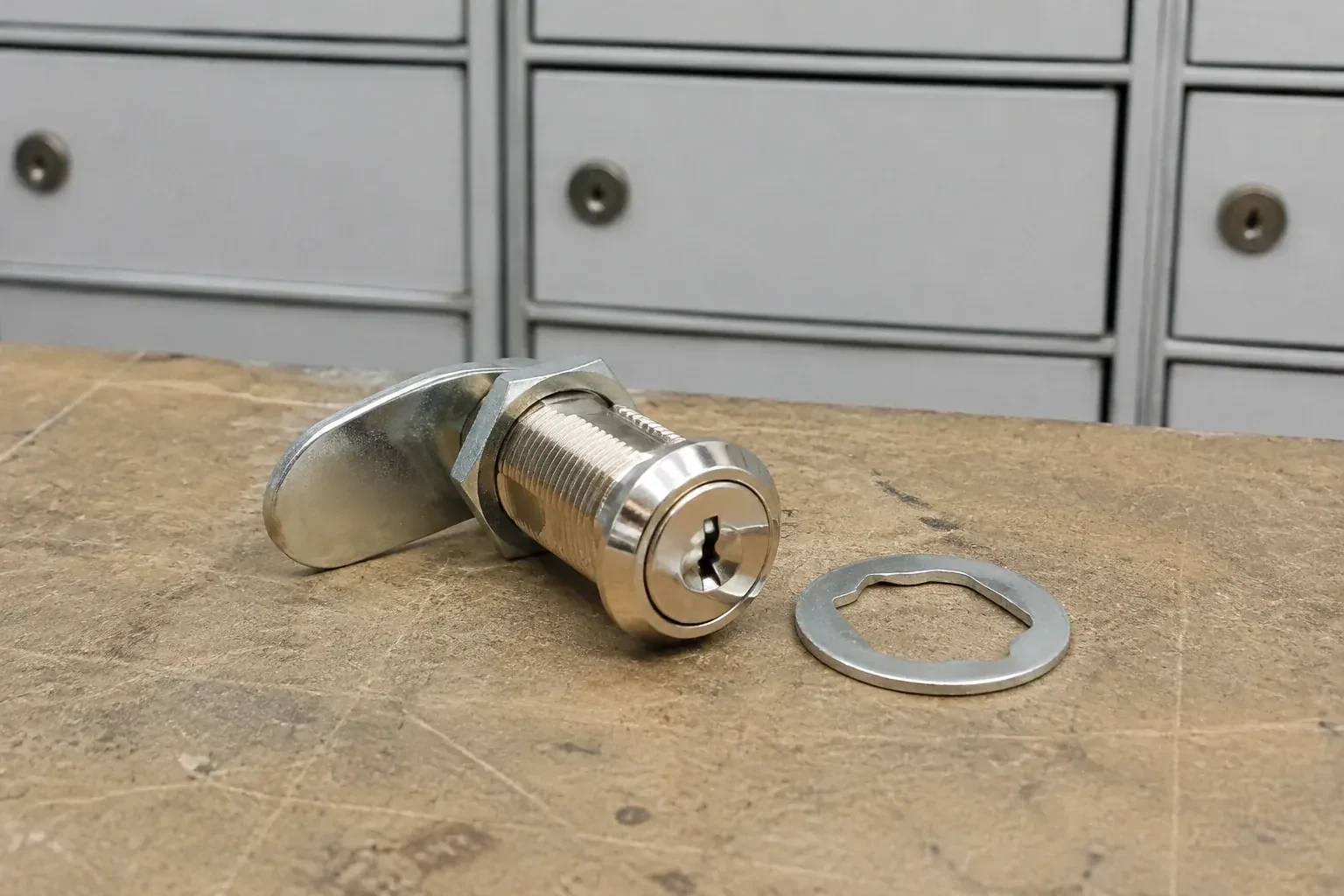
WhyA mailbox lock lives or dies by a handful of measurements: the cylinder's length, its diameter, and the reach and angle of the cam arm that actually catches the door frame when the key turns.
A community group counts the weekend's raffle and bake-sale cash on a kitchen table, then carries it home in a tote bag until the bank opens Monday, because there has never been anywhere safer to leave it.
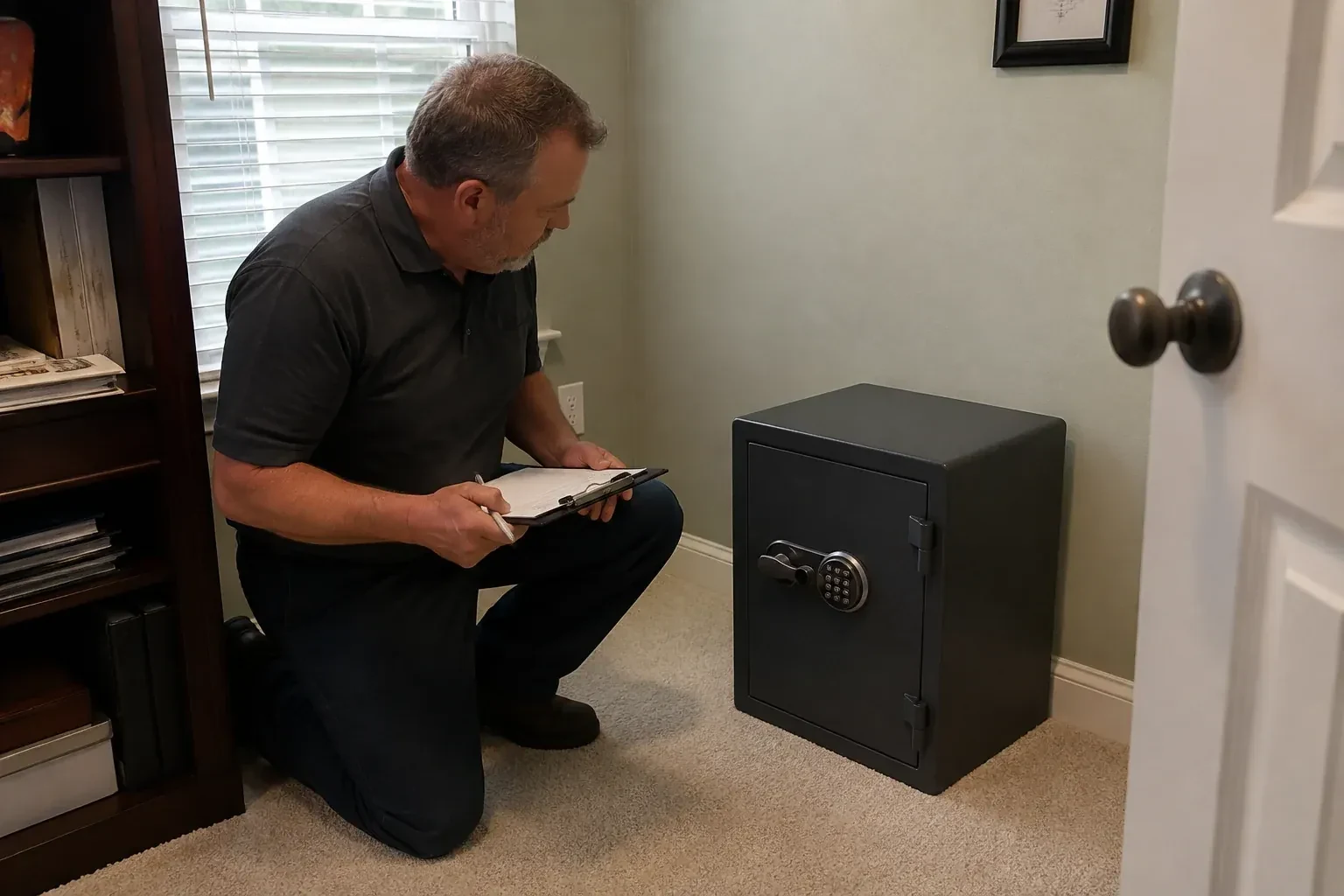
WhyA safe that is not bolted down is not really a safe, just a heavy box that a thief can carry to somewhere quieter to open.
Deliveries arrive before anyone is scheduled to be there, which right now means either propping the loading dock open at dawn or handing a key to a driver you have never met.
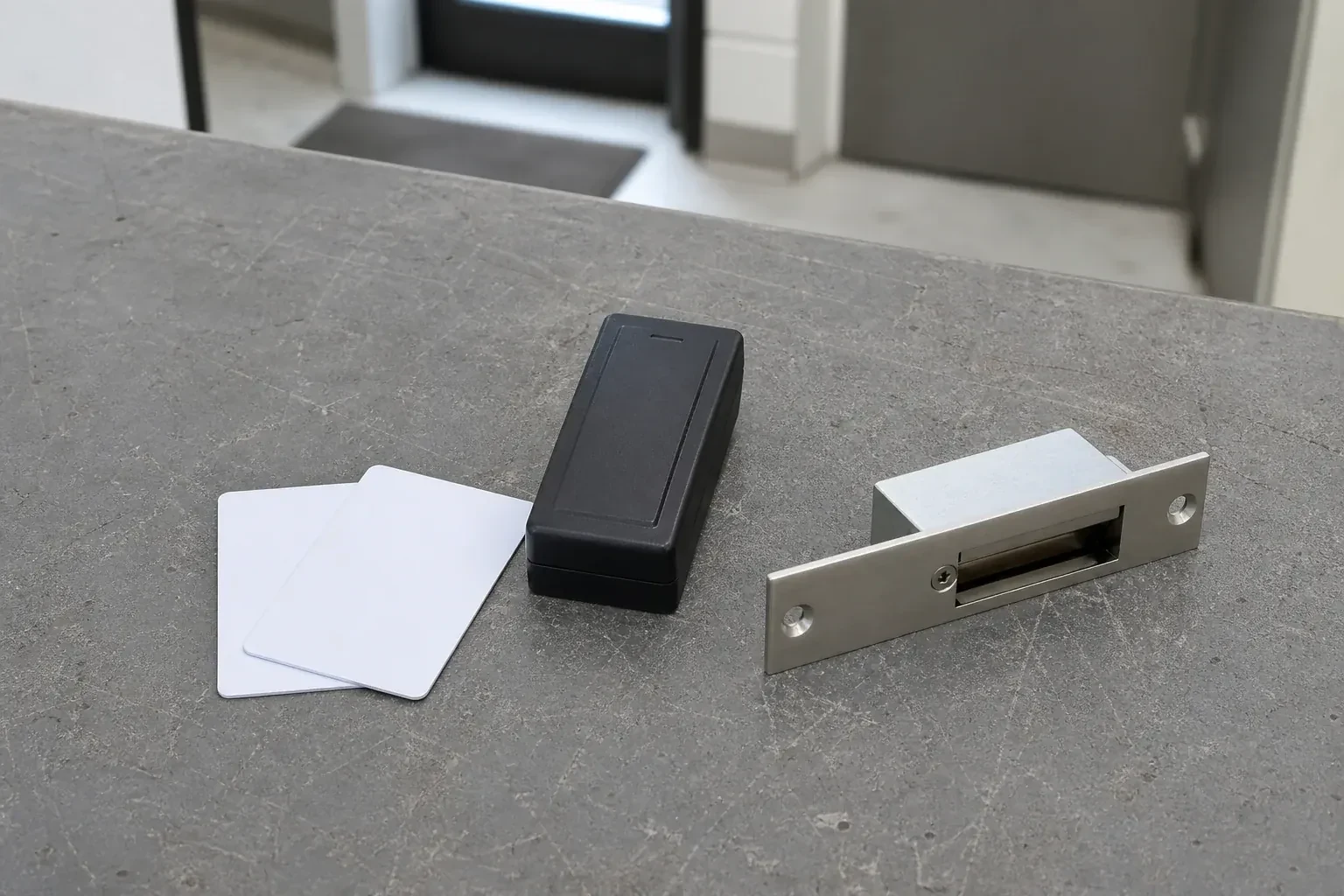
WhyCredentials take several forms, and most installations end up mixing them: a proximity card or fob held near a reader, a keypad code typed at the door, or a mobile credential read from a phone.
The kitchen delivery door gets shouldered open more than a hundred times a shift, and lately the latch slips past the strike plate instead of catching it on the first push.
WhyWhere a home lockout is mostly about getting one door open again, a commercial lock replacement is mostly a decision about a system: how this one door's hardware fits into every other lock the business already manages.
After fifteen years the blade has worn to a smooth sliver.
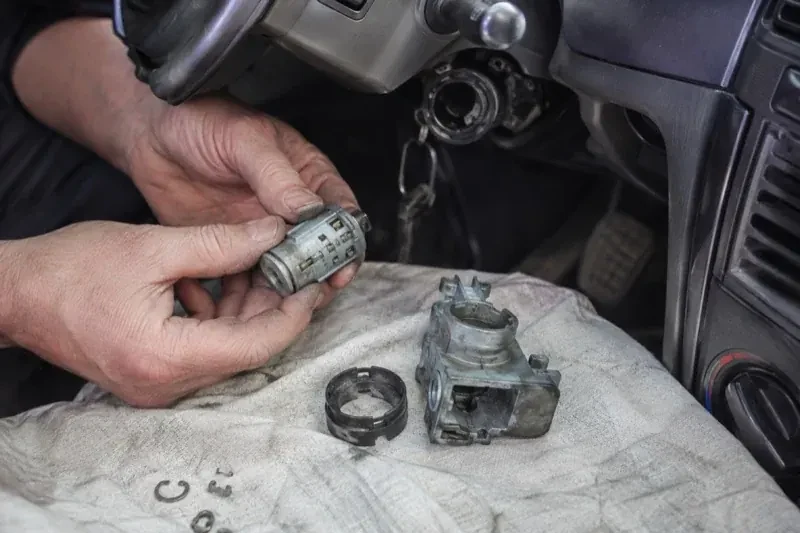
WhyWhere the hardware allows it, a replacement or serviced ignition cylinder is pinned to match the key already in your pocket, rather than handing you a second key to keep track of.
Good days. Start with a turn.
1/9Home Lockout Service
After a week of humid weather the back door has swollen in its frame. The key turns, you can feel the bolt trying to move, but it is jammed hard against the strike plate and the door refuses to open.
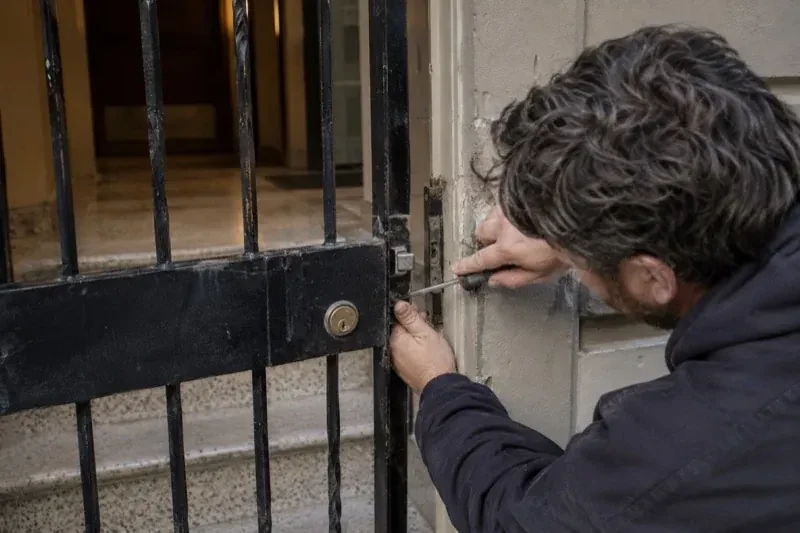
Minus eighteen with a wind, and the exterior cylinder on the shop door has frozen solid overnight after yesterday's slush. The key goes in halfway and stops. The delivery driver is due, the phone is ringing inside, and nobody can reach it.
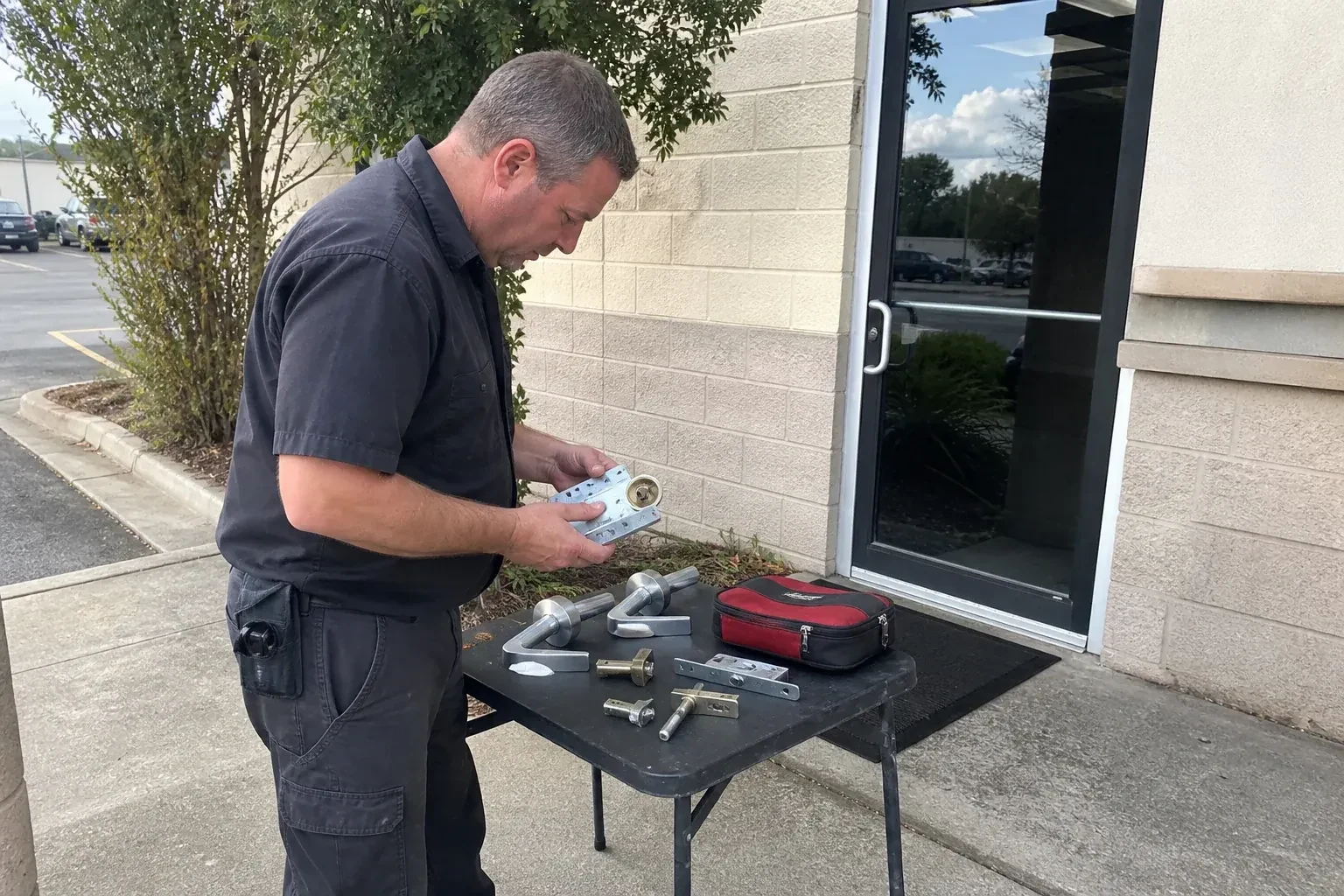
The shop's lever handle goes down as usual, but the latch inside the mortise case never pulls back. Staff are waiting on the sidewalk with their coffees, the door is locked, and the handle is simply moving air.
You've just moved in, and the mailbox compartment in the lobby came with a single key the previous owner mailed back separately, or never handed over at all. As far as anyone can tell, the lock still answers to a stranger's key.
A community group counts the weekend's raffle and bake-sale cash on a kitchen table, then carries it home in a tote bag until the bank opens Monday, because there has never been anywhere safer to leave it.
Deliveries arrive before anyone is scheduled to be there, which right now means either propping the loading dock open at dawn or handing a key to a driver you have never met.
The kitchen delivery door gets shouldered open more than a hundred times a shift, and lately the latch slips past the strike plate instead of catching it on the first push.
After fifteen years the blade has worn to a smooth sliver. It needs a jiggle in the ignition most mornings, this week it took three tries, and a copy cut from that same worn key would only carry the wear forward.
After a slushy week the key barely reaches accessory before it stalls, gritty and reluctant, where it used to move cleanly through every position. Warming the car up in the driveway hasn't changed how the barrel feels at all.
Yes. A tenant locked out of their own unit can arrange entry directly, and the identification check is the same: something that ties you to the address, such as a lease, a bill or a piece of mail, plus photo identification. Where you may want to involve your landlord is any change to the lock afterwards, because tenancy rules in this province expect landlords and tenants to agree on lock changes and to share keys. A locksmith can note what was done for the building manager.
Will we get something in writing afterwards?
Yes. The visit closes with a written account of which door was opened and how, the condition the hardware was in, anything replaced, the number of keys cut and who received them. Landlords ask for it when locks on a unit change, insurers after a loss, and franchise head offices as a matter of course. Keep it with the lease; it also tells the next locksmith exactly what is on your doors.
The thumb-turn is stuck from inside and we need that door to get out. What should we do?
Use another exit for now and call. From the inside the fault is usually a bolt pinned by the frame or a bent spindle, both of which the locksmith frees without damage. A main exit door should open from inside without a key or special knowledge, so the repair leaves the door doing exactly that, and if the hardware on it was the wrong type for an exit, a thumb-turn deadbolt is suggested.
Can the same key operate my mailbox and my front door?
It can, if both locks share a compatible keyway and are fitted with cylinders cut to the same combination during the same visit. This is arranged upfront, since it means keying the mailbox lock to match an existing door rather than the usual standalone replacement. Each lock involved is tested afterward so a single key turns every door named, and any other locks on the property keep their own separate keys.
Will anchoring damage my flooring?
Anchoring leaves small holes at the anchor points, sized to the bolts being used, and on a finished floor these sit under the safe itself where they are never seen again. On tile, the risk of cracking nearby tiles is real enough that an alternative fastening point or a different spot in the room is often chosen instead of drilling straight through the tile itself.
What's the difference between an electric strike and a magnetic lock?
An electric strike fits into the existing door frame and works with the door's own latch or bolt, releasing it briefly for a valid credential while otherwise behaving like an ordinary strike plate. A magnetic lock instead clamps the door shut with an electromagnet mounted at the head of the frame, and it is always installed with a request-to-exit device so someone leaving is never held up looking for a way out.
Do you match hardware to my building's existing key system?
Yes, that is usually the first decision made. The locksmith checks whether your doors already run on a master or grand-master system, an interchangeable-core setup, or a restricted keyway, and orders replacement cylinders that slot into whichever structure you want to keep or move to. Bringing a new door onto an existing system is generally simpler than starting that door on its own.
The key snapped off inside the lock. What happens now?
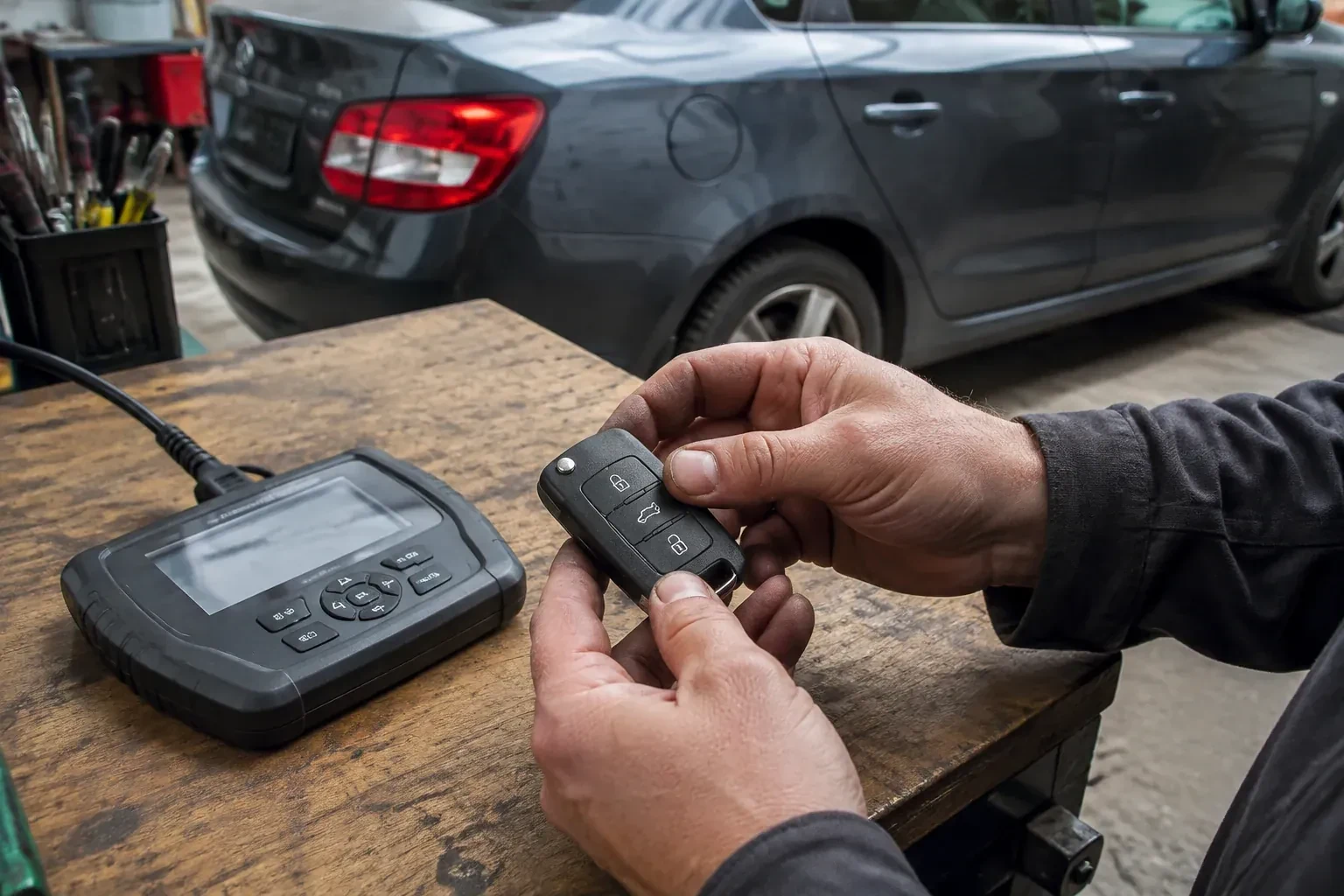
The broken piece is drawn out with an extractor that grips it rather than pushing it deeper, and the cylinder is checked for damage. The head of the key, if it survived, still holds the chip and the remote, so it can be rebuilt around a new blade in a new case without any programming. If the whole key was lost with the break, a fresh transponder key is cut to code and programmed as usual.
What if the key won't go into the slot at all?
That points toward the barrel itself, debris packed into the keyway, or a key that has bent or worn out of shape rather than a deeper electronic problem. The keyway is checked and cleared first, the key is compared against a spare if one exists, and the barrel is serviced or replaced depending on what that first check turns up.
Request a visit
For a condo or apartment in Keneden Park we work within the building's rules. The suite door is yours and gets whatever cylinder, strike or closer suits the way you live. Common doors belong to the building, and we coordinate with management before touching them. You get a secure unit without a letter from the board.