Car keys · Manilla
Transponder Key Programming in Manilla
A second driver has joined the household, and the one existing key gets handed back and forth between two schedules that rarely line up.
In plain words
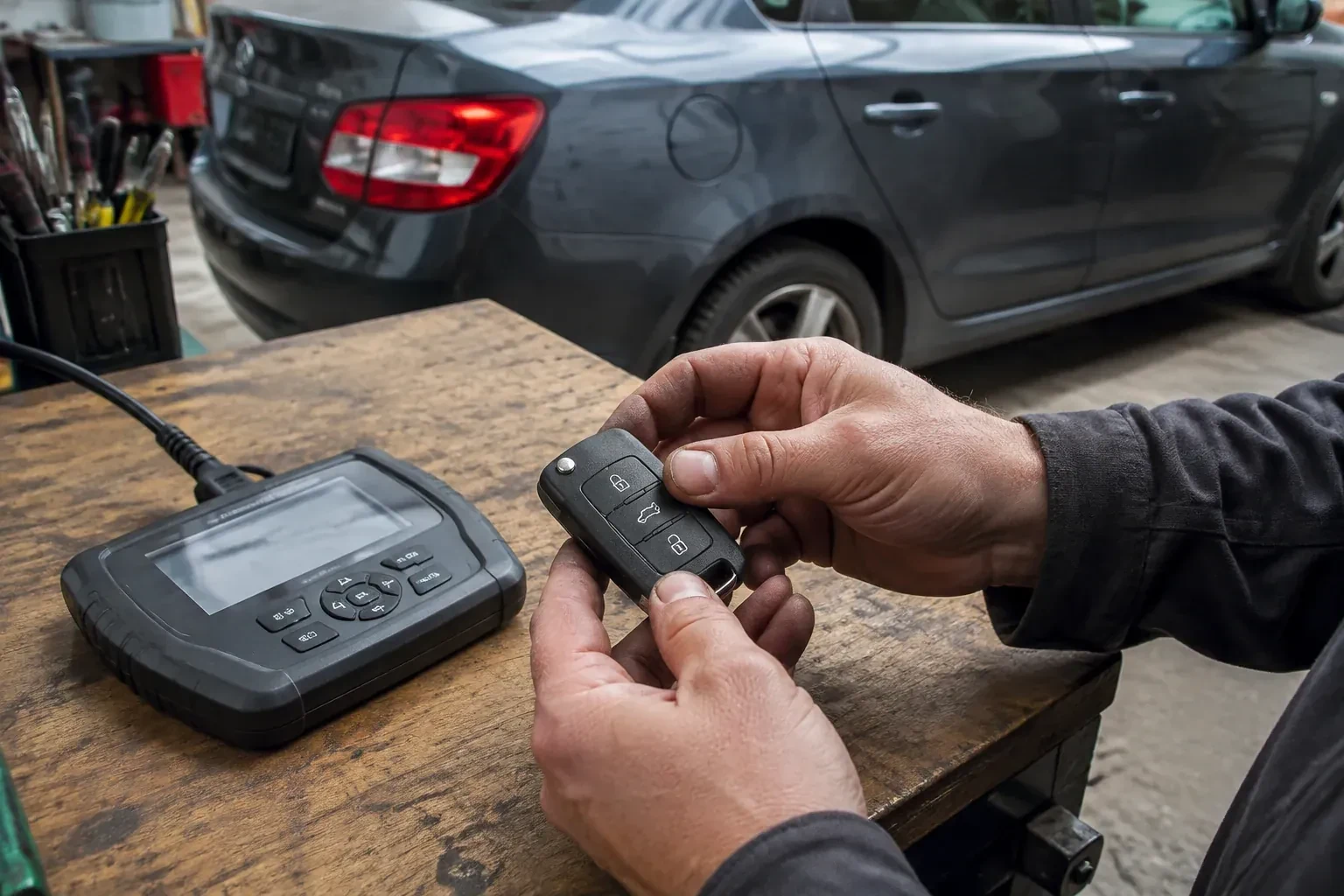
A modern car key is often two systems living in one housing: the transponder, a chip with no battery of its own that only the immobilizer needs to see, and the fob, a battery-powered remote that handles locking, unlocking and alarm functions from a distance. Programming a transponder key addresses the first system, letting the engine start, while pairing the fob addresses the second, restoring the buttons. A key can pass one test and fail the other, so both get checked before the visit is finished.
How the visit goesThe blade snapped off flush with the door lock last winter, and the shop that cut a replacement only matched the metal shape. The fob still locks and unlocks the doors from across the driveway, but the engine cranks over and over without ever catching.
Transponder Key Programming
How the visit goes
Counting the keys that still work
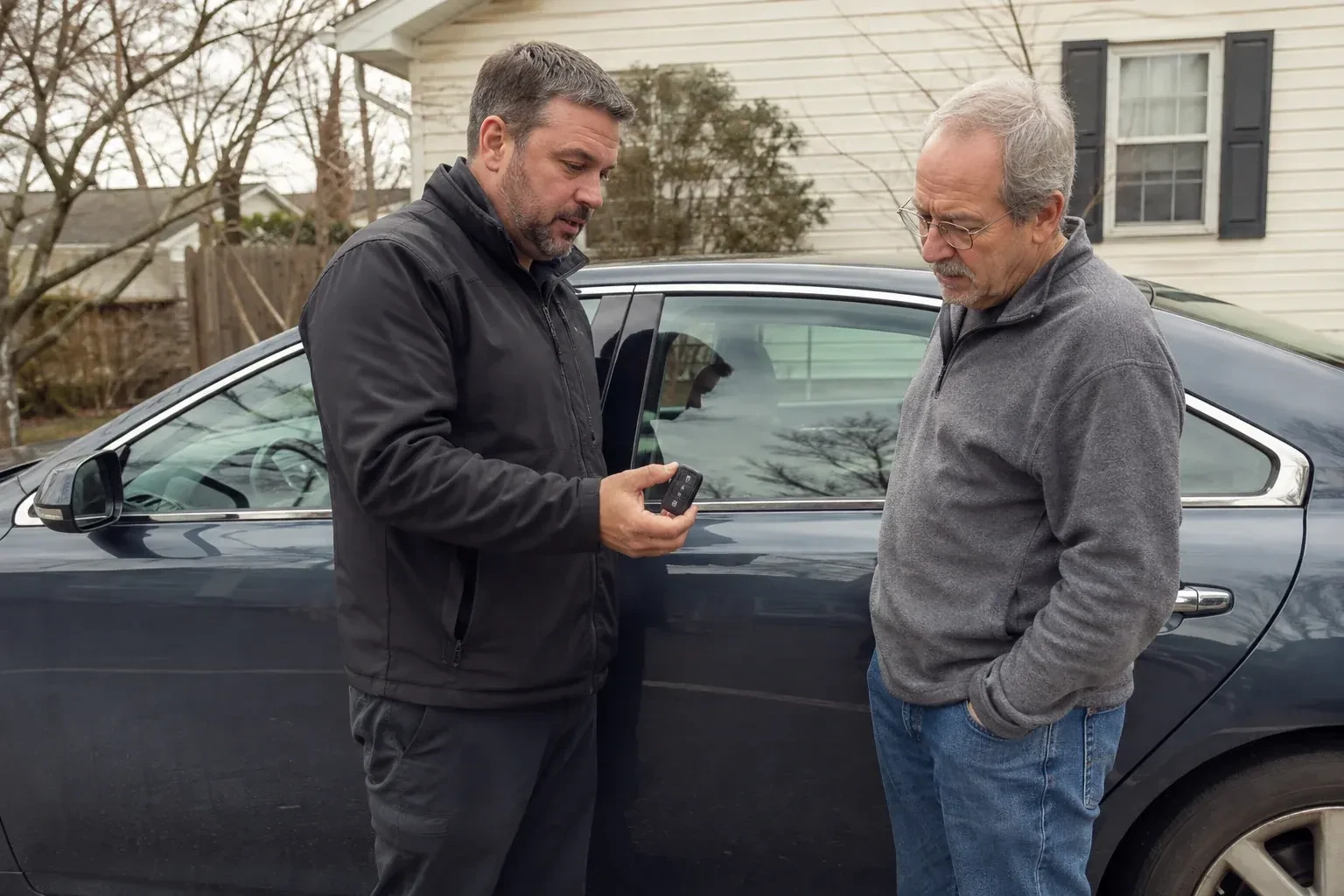
The next question is not about the lock but about the keys: how many currently work, whether one was lost or stolen, and whether every key for the vehicle is genuinely gone. A single missing key changes little beyond adding a spare and clearing its old identity. All keys lost changes the whole visit, since there is nothing left to prove the system already trusts, and the work has to start by re-establishing that trust before a single new key can be written.
Programming through the diagnostic port
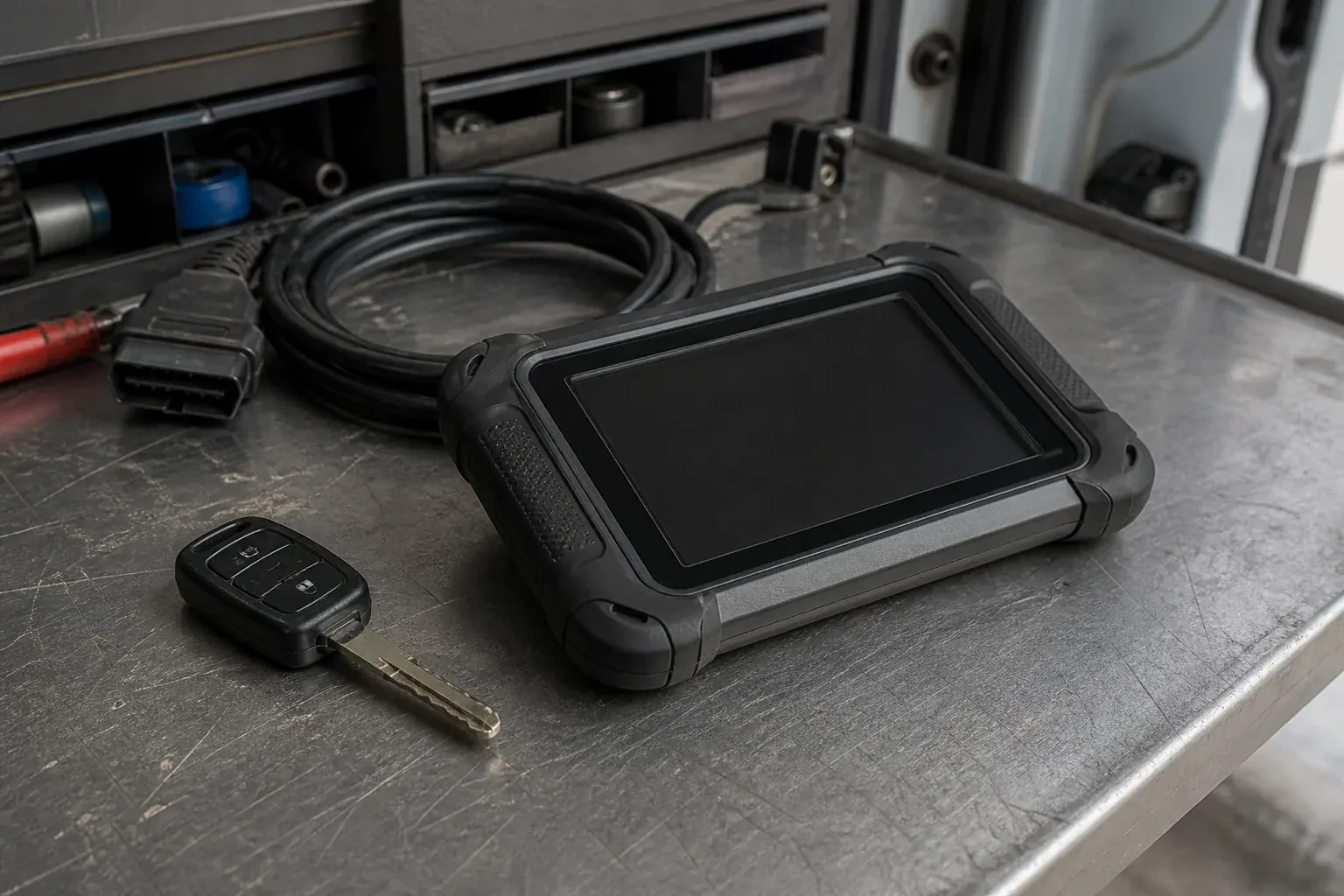
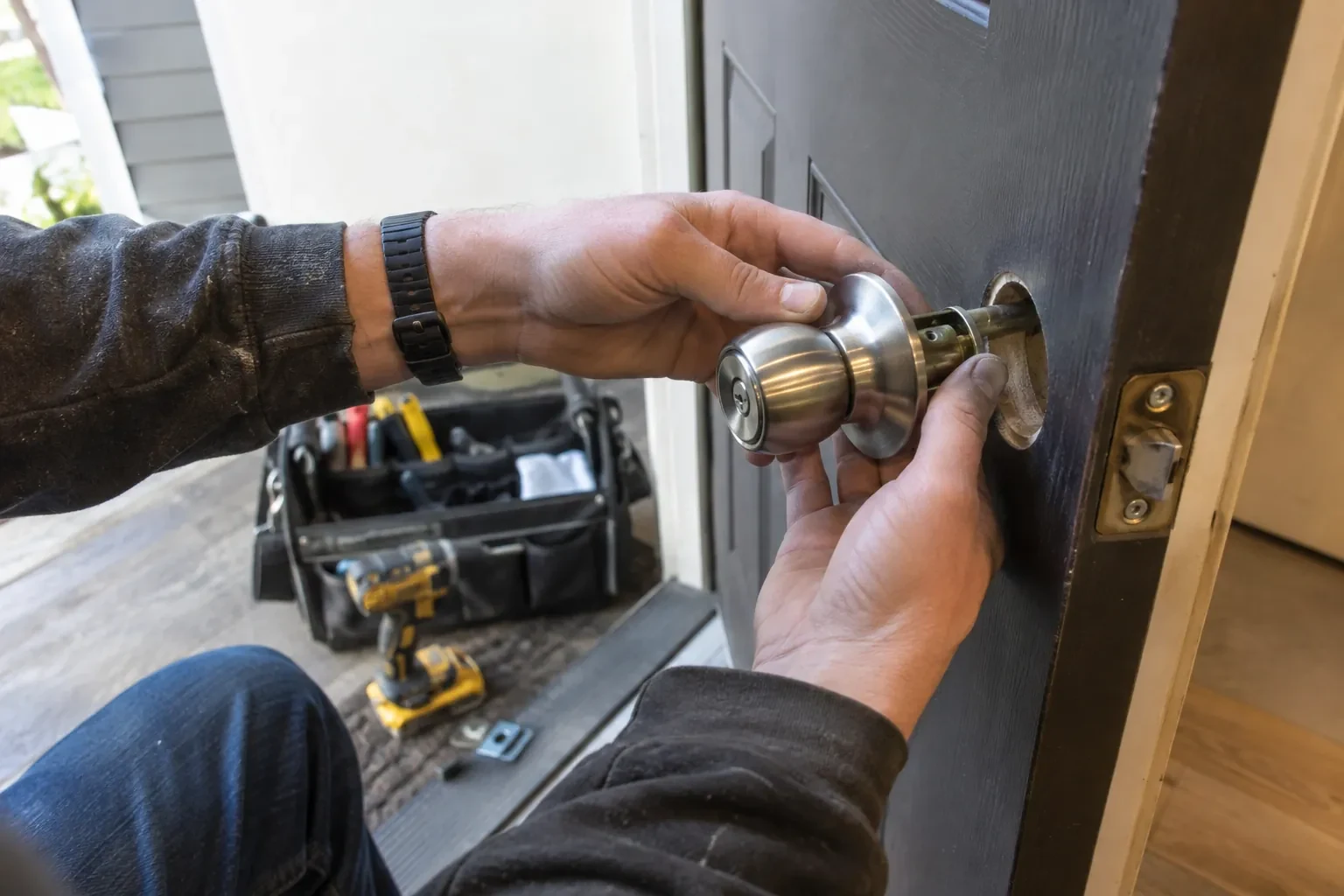
On most vehicles, the new chip's identity is written into the immobilizer through the onboard diagnostic port using equipment built for that vehicle's own protocol. The programmer talks to the vehicle's module in its own language, adds the new key without erasing the others unless asked, and confirms the write was accepted before the tool disconnects. This is the routine path for a spare, an extra key, or a straightforward replacement where at least one working key is still available to authorize the addition.
Ready for the next cold snap
A fob that survived one winter will not necessarily survive the next one on the same battery, since cold weather is genuinely harder on a battery that was already getting weak. Testing it before the temperature drops, rather than after it has already failed on a frozen morning, catches a fading battery while replacing it is still a small errand rather than an unplanned one. The metal blade inside a proximity fob does not mind the cold at all, which is exactly why it is worth knowing where it is.
Transponder Key Programming
In the van
OBD-II key programmer
Security-access module
Proximity smart key
Frequency test reader
Replacement remote-head fob
Transponder Key Programming
What affects the quote
How the vehicle's key list is reached
Some vehicles allow direct access through the onboard diagnostic port, while others gate that list behind a manufacturer-level security session that takes additional steps to establish. Which situation applies to a given vehicle affects how the visit is scoped.
Whether ownership documents are ready at the visit
Having a vehicle permit or registration and photo identification ready when the locksmith arrives keeps the visit moving directly into the vehicle work, rather than pausing partway through to confirm authorization.
Number of new keys requested
One replacement key is a smaller task than several keys for several drivers cut and programmed in the same visit, even though the underlying process for each additional key is largely the same.
What to have ready
- Do you have photo identification available?
- How many working keys would you like when this is finished?
- Where is the vehicle parked right now?
Transponder Key Programming: questions
QuestionsWhat's the difference between cutting a key and programming it?
Cutting shapes a blank to match the lock, so it turns the mechanical cylinder in the door or ignition. Programming is a separate step where the chip inside the key head is taught to the vehicle's immobilizer, so the engine agrees to start. A key can be cut perfectly and still fail to start the car if that second step was skipped, which is the single most common source of confusion in this service.
Will adding a new key affect the keys I already have?
Adding a key is meant to leave every existing key exactly as it was; the new identity is written alongside the others rather than replacing anything. The locksmith checks that the older keys still work as part of the same visit, precisely so an oversight does not go unnoticed. Only a key you specifically ask to have cleared, such as one that was lost, stops working.
What identification should I bring to a key programming visit?
Photo identification, along with something that connects you to the vehicle: the vehicle permit or registration, or paperwork for a leased, financed or company vehicle if your name is not the one on file. Having this ready before the locksmith arrives keeps the visit moving directly to the vehicle itself rather than pausing partway through.
Related services
- Car Key ReplacementThe car is yours now, but somebody else still holds a key to it.
- Spare Car Key DuplicationThe proximity fob has ridden in a pocket for years, the range feels shorter than it used to, and a dashboard warning mentioned a battery a while back.
- Key Fob ProgrammingThe remote clicks the way it always has, but the vehicle no longer locks, unlocks or answers with its usual chirp.