Locksmith in Little Britain, OntarioMaster keysfor buildings in Little Britain
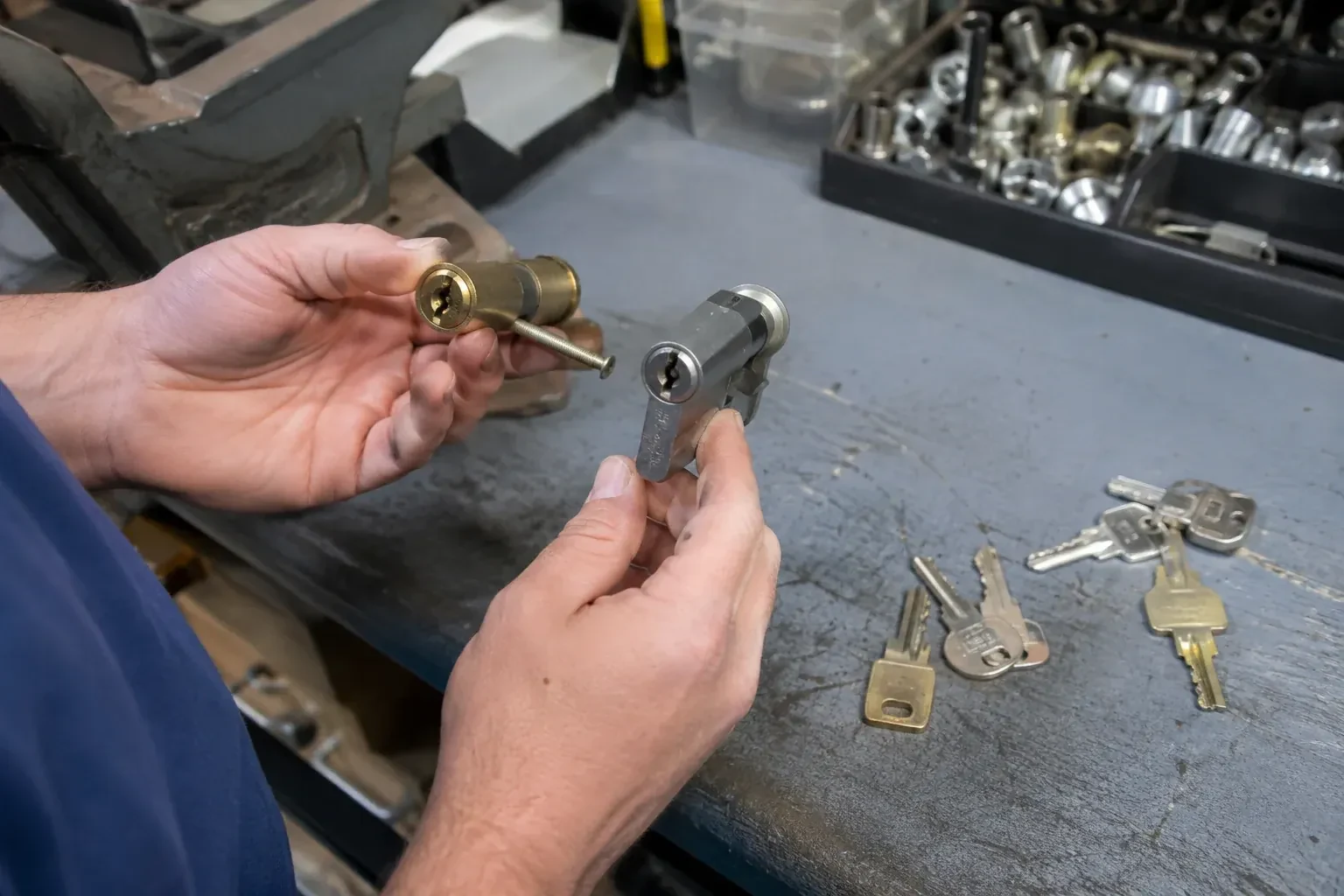
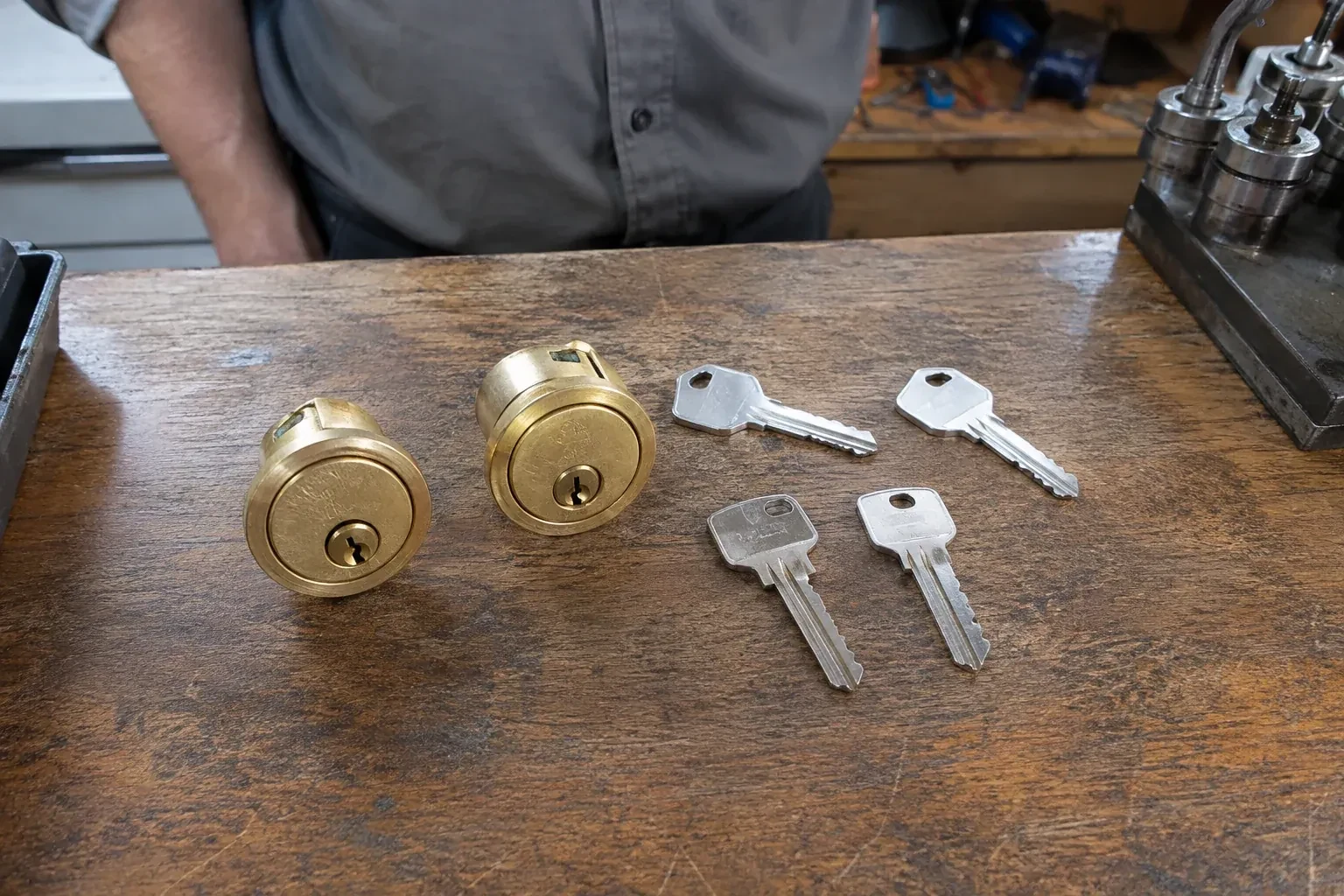
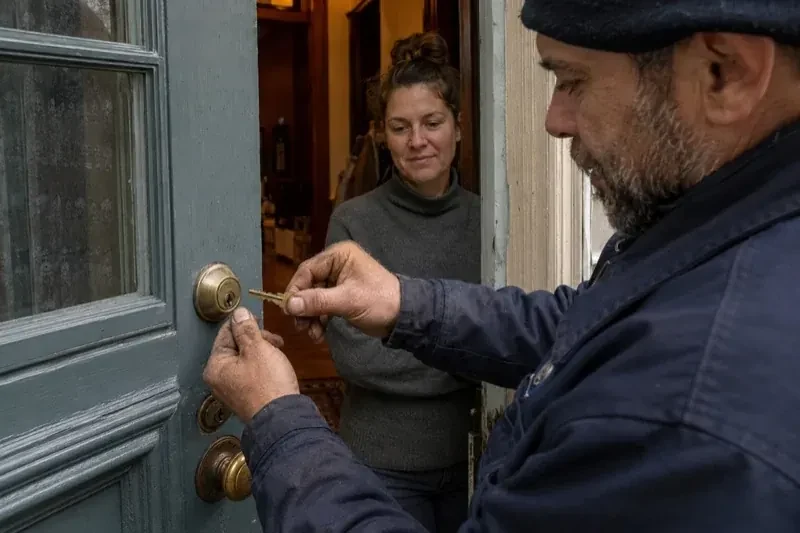
A small apartment building, a clinic with six rooms, a shop with a back office: each in Little Britain benefits from one key that opens everything and individual keys that open only what they should. We design the system, pin the cylinders, and record who holds which key so it stays manageable. Nearby, we also work in Elm Tree Corners, Glandine, Linden Valley, Lindsay, Mariposa, O'Donnell Landing, Oakdene Point, Oakwood, Ops, Port Hoover, Starr's Beach, Taylor Corners and Valentia.
A small apartment building, a clinic with six rooms, a shop with a back office: each in Little Britain benefits from one key that opens everything and individual keys that open only what they should. We design the system, pin the cylinders, and record who holds which key so it stays manageable. Nearby, we also work in Elm Tree Corners, Glandine, Linden Valley, Lindsay, Mariposa, O'Donnell Landing, Oakdene Point, Oakwood, Ops, Port Hoover, Starr's Beach, Taylor Corners and Valentia.
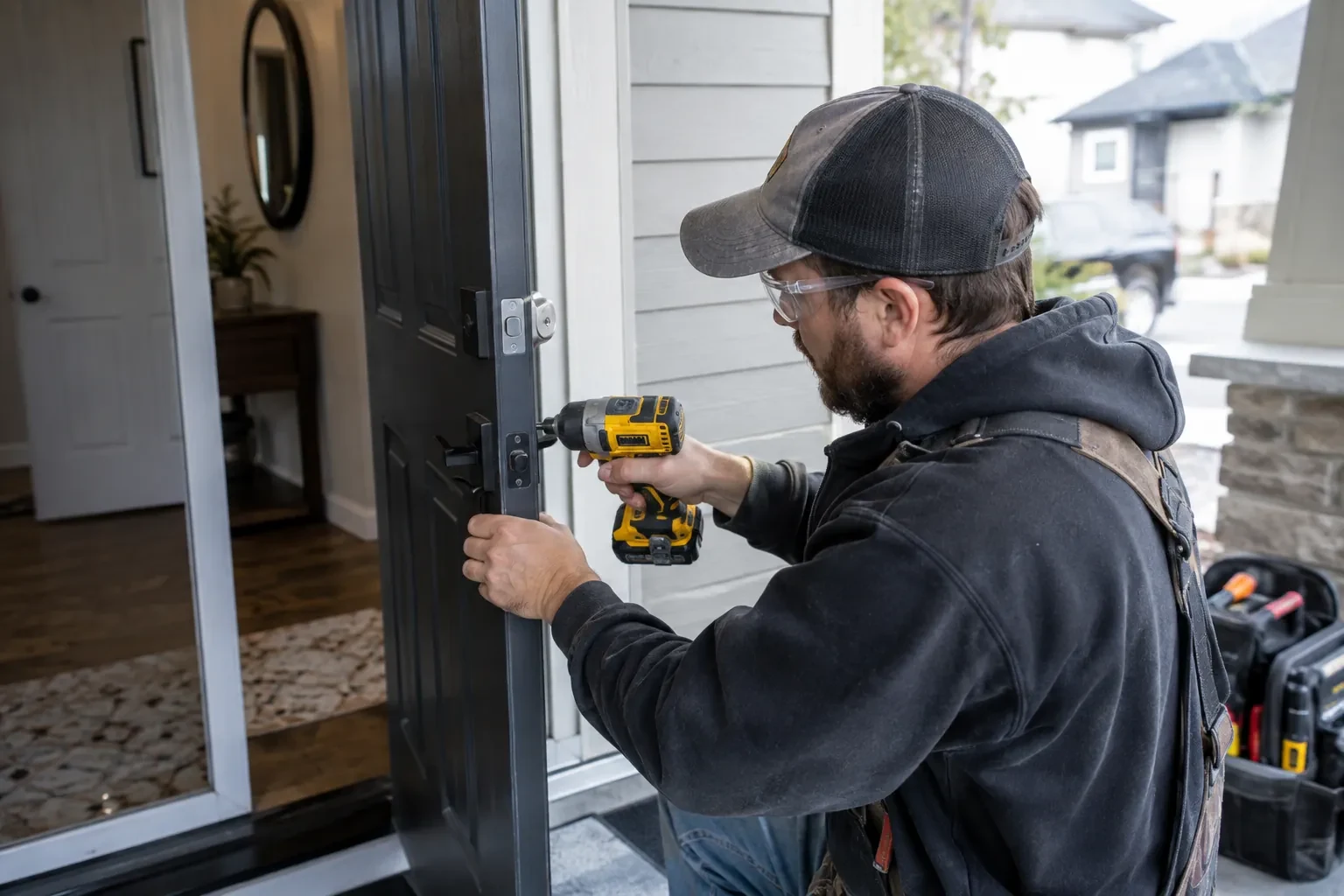
We look after the door, not just the lock.
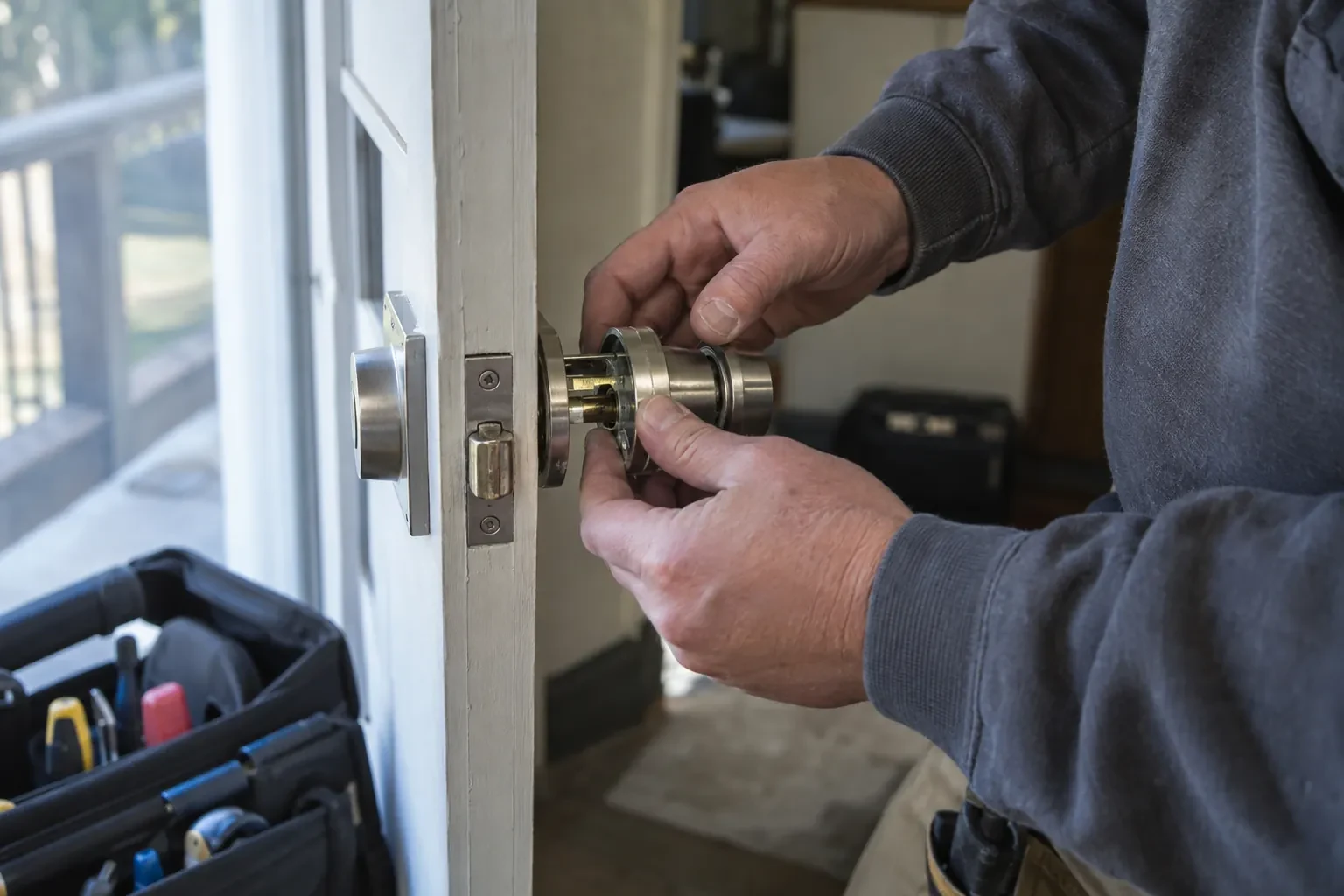
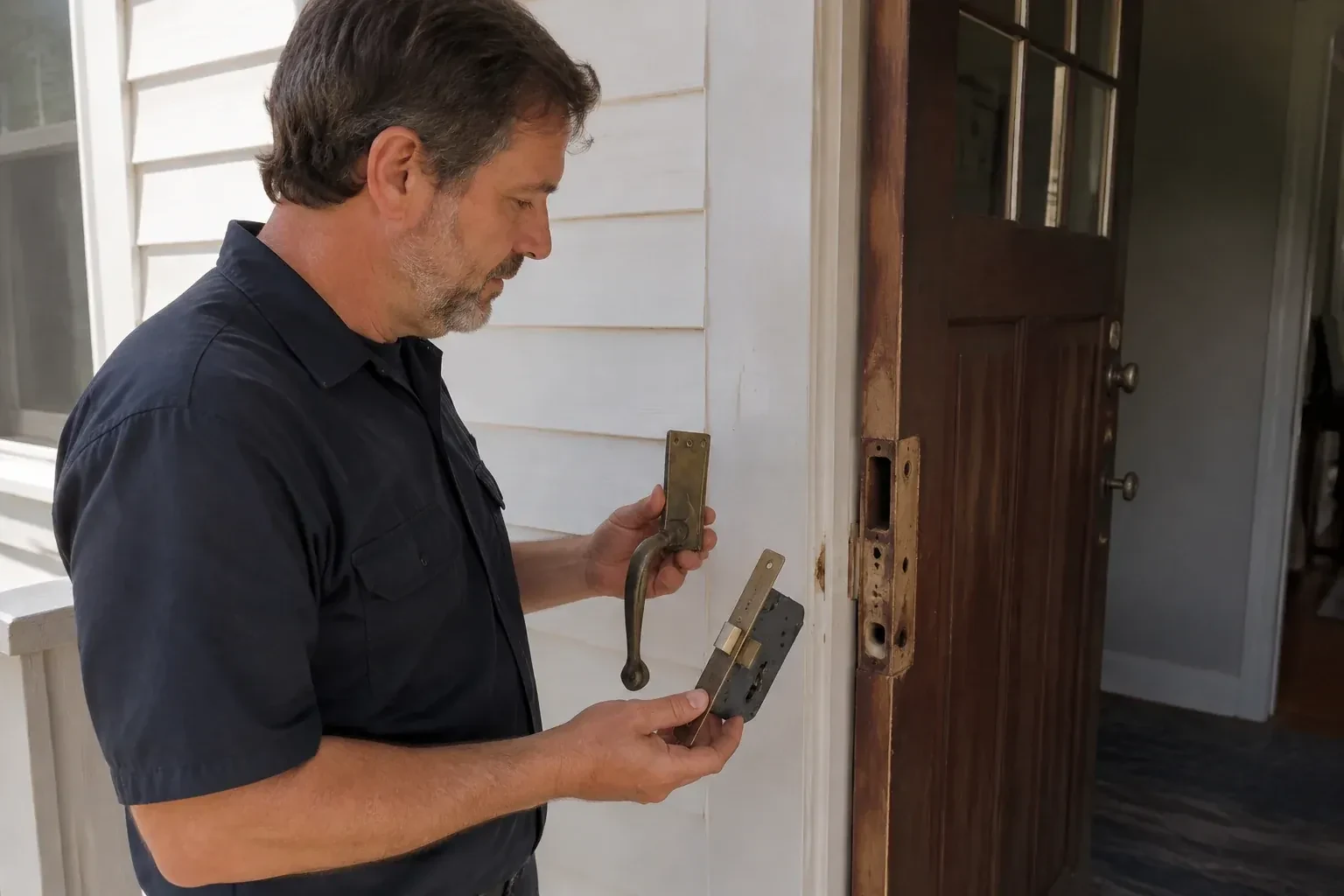
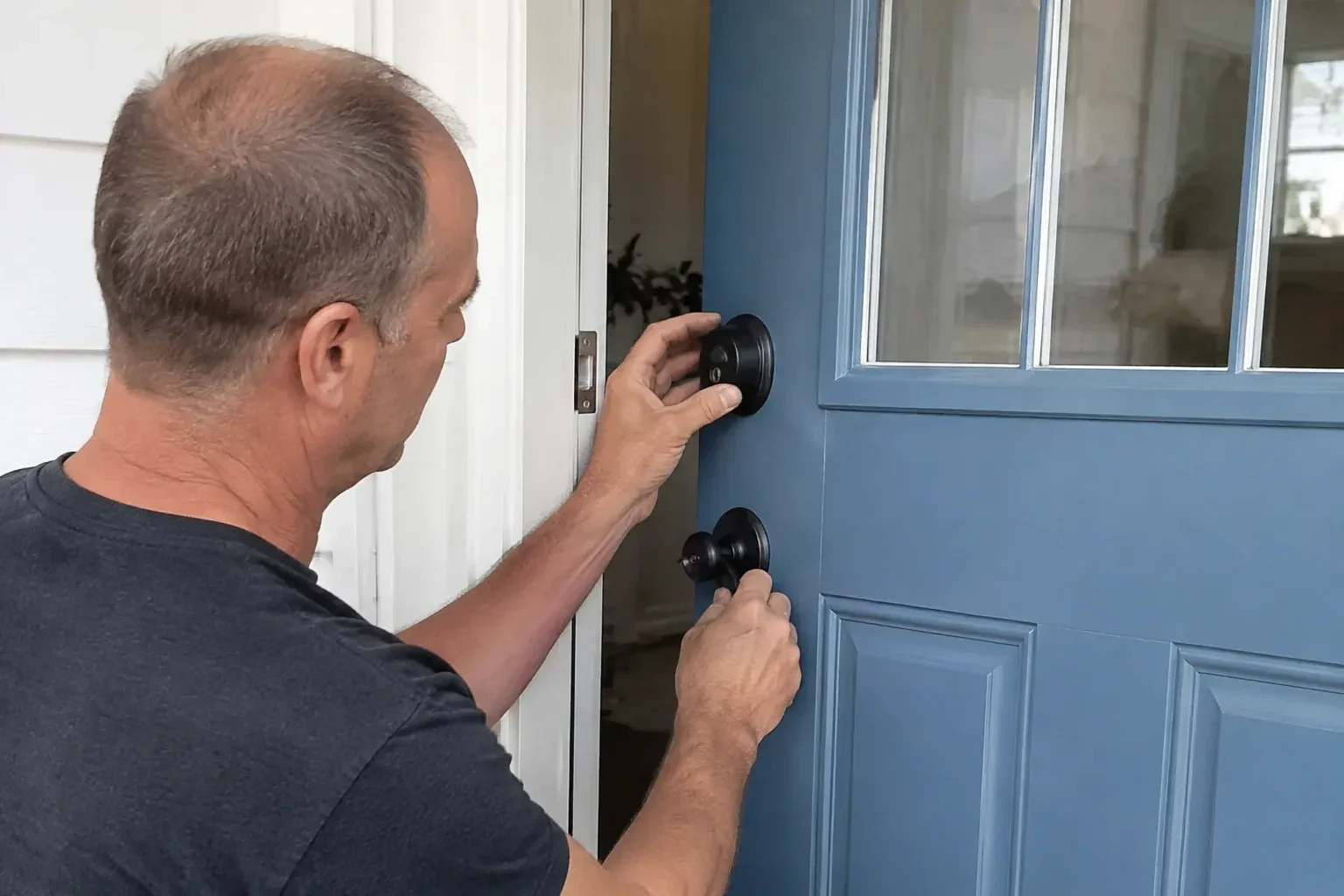
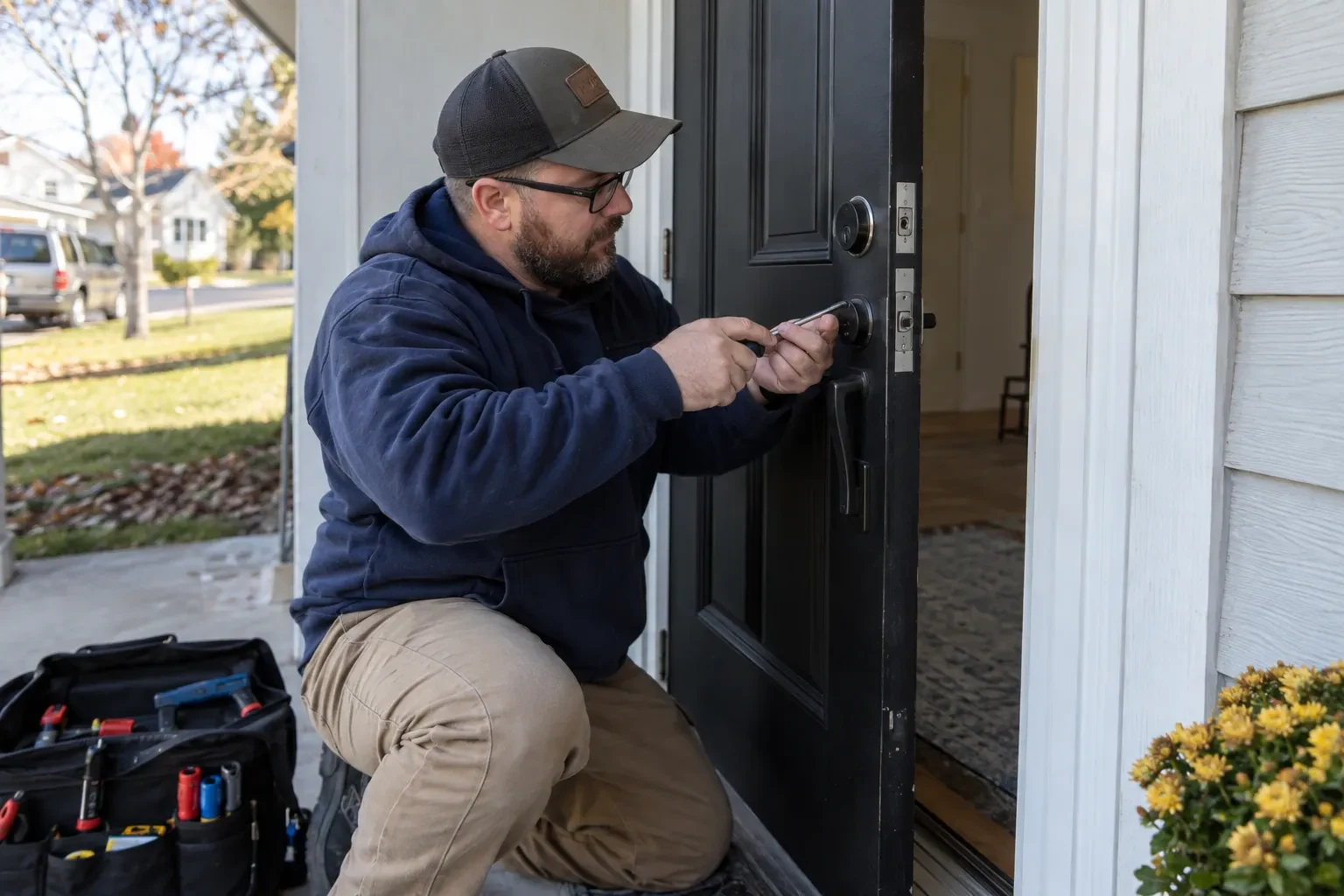
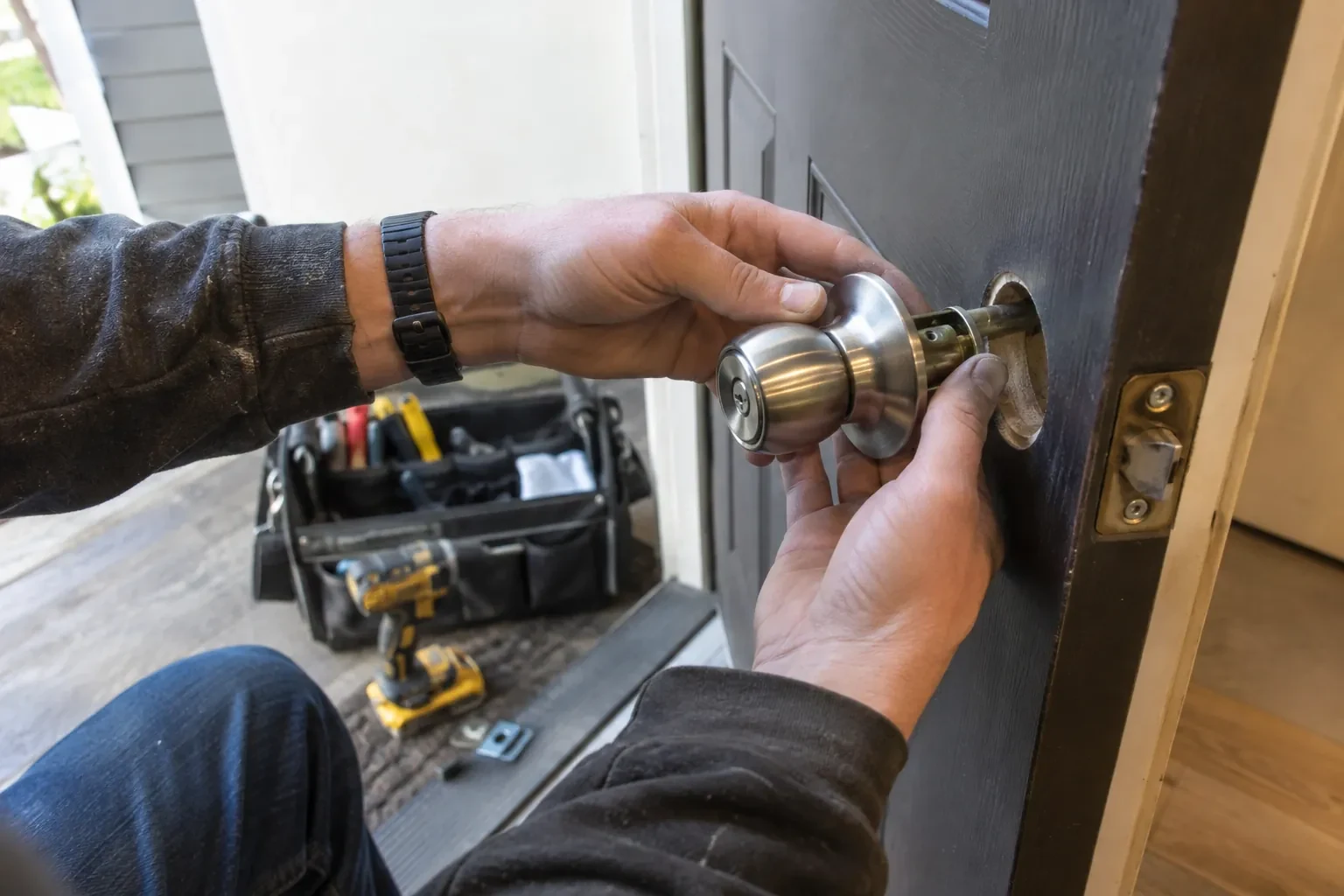
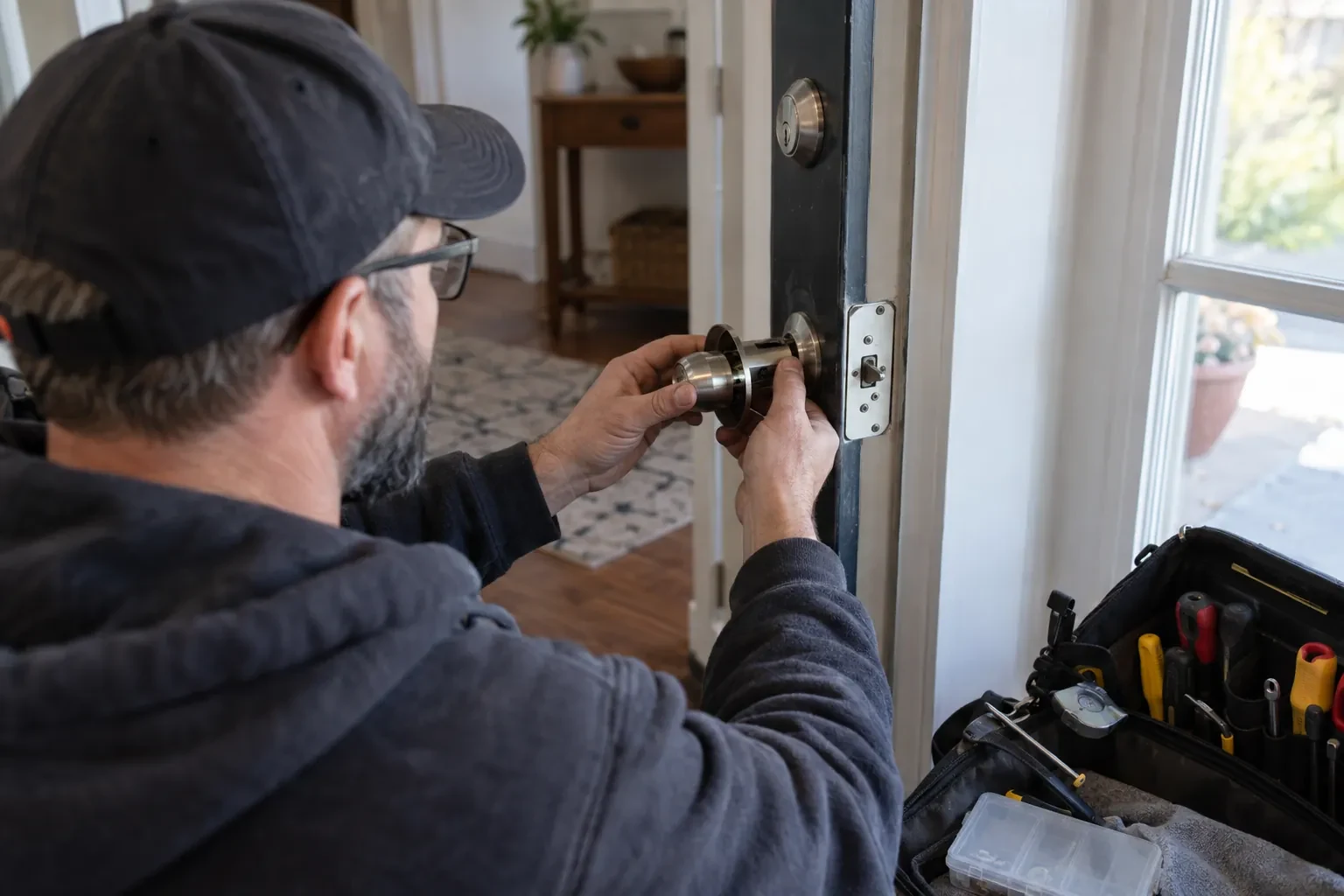
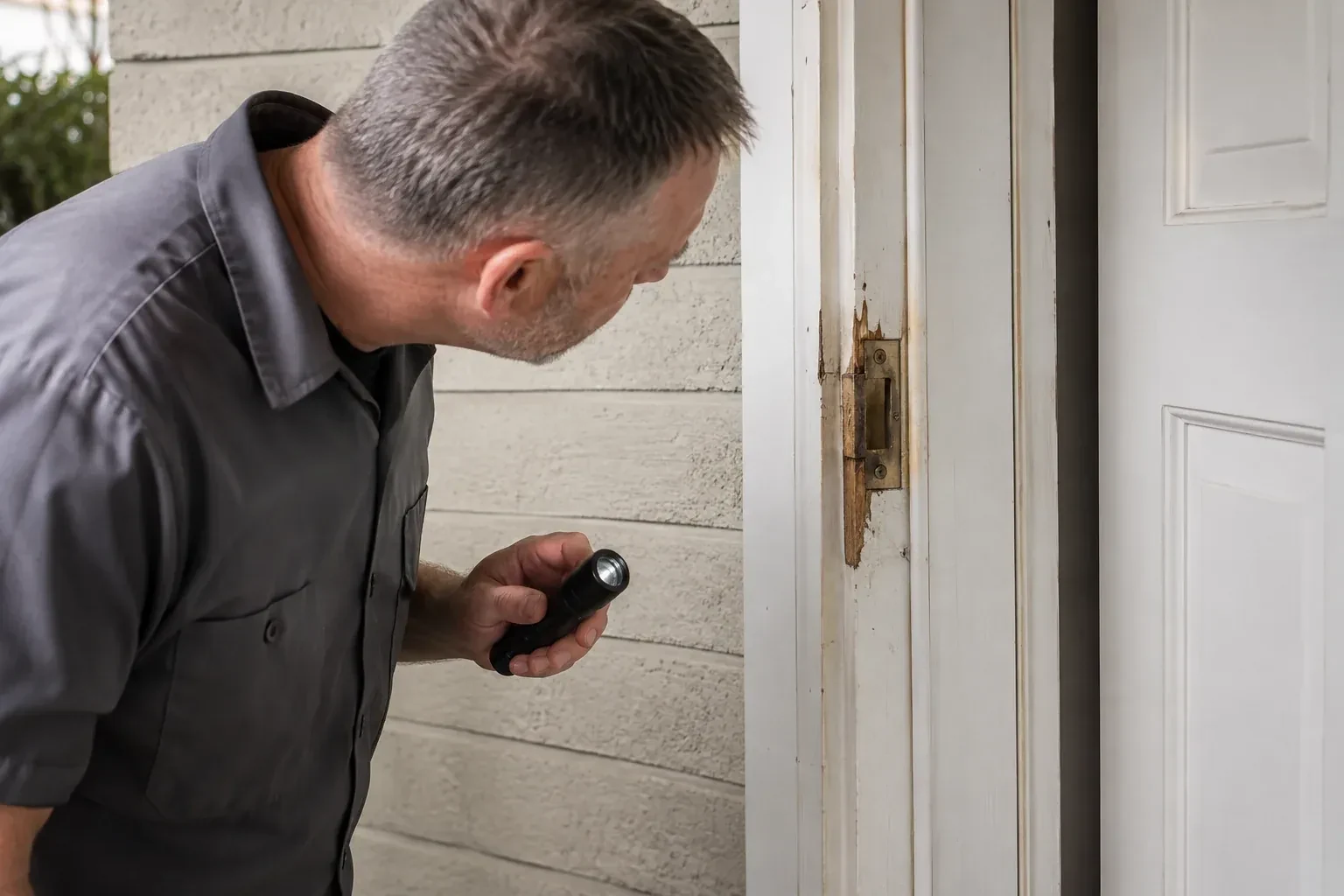
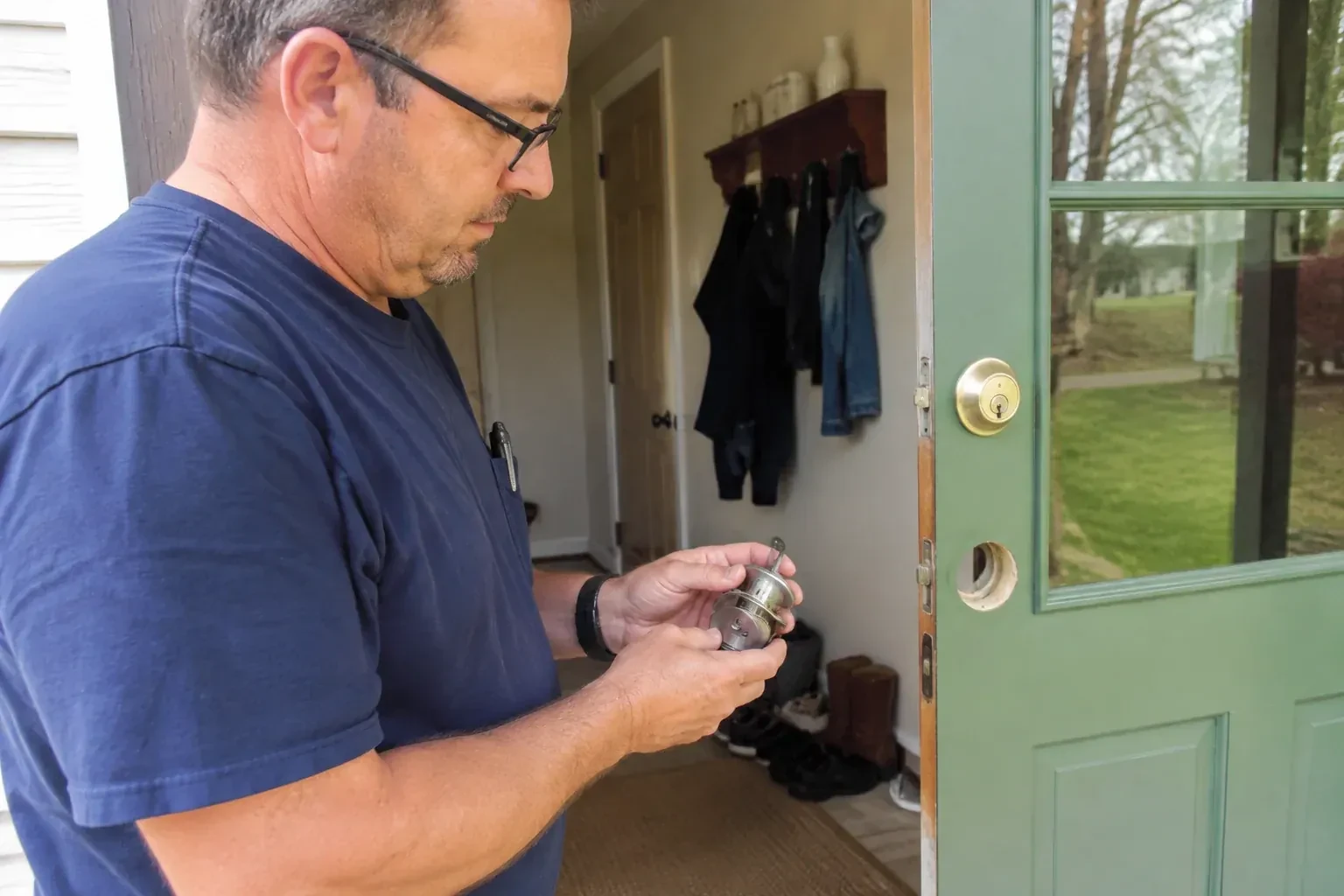
Our default for doors in Little Britain is to repair before replacing. A deadbolt that grinds usually needs its strike moved, not a new lock. A cylinder that fights the key often wants fresh pins and a clean. We say so, even when a replacement would be the easier sale, and when replacement really is right we explain why and show you the options in your hand.
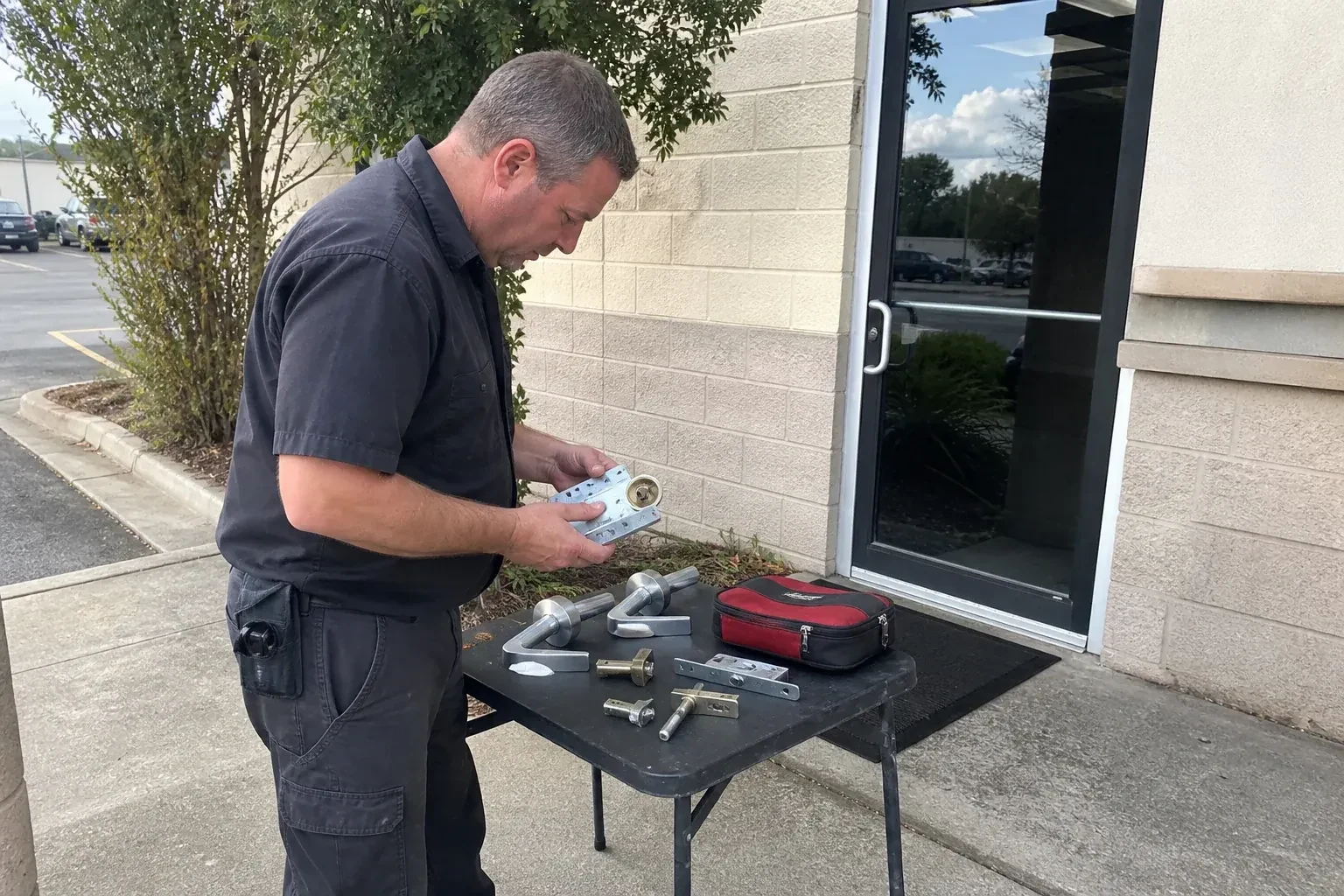
Businesses in Little Britain have their own set of lock questions: who holds keys, what happens at staff turnover and whether the back door really closes. We help shops, offices and small warehouses sort these out with rekeying, key logs, keypads and panic hardware that suits the building. Work can be timed around your hours, and we leave you with a system your team can actually manage.
33years in business
24/7open every day
Questions welcomed. Ask about the lock, the method, the parts or the reasoning. A good explanation is part of the service, not a favour.
Nothing forced that could be finessed. We reach for picks and shims before drills, and we tell you if the lock has left us no gentle option.
Swept, wiped and working. Metal filings, drywall dust and old screws all leave with us. The lock is tested from both sides and the key handed over.
Homes in Little Britain bring us sticking deadbolts, lost keys, moves and upgrades. Businesses bring storefront doors, back doors, key control and safes. The services below cover both sides in detail, so whichever kind of door you are standing in front of, the right page is a click away.
About 56% of homes in Kawartha Lakes were built in 1980 or earlier, according to the 2021 Census.
Older homes
Period hardware on older homes deserves matching parts, not a mismatched modern set. A locksmith who works among such houses keeps finishes and styles that suit them, so a repaired or replaced lock still looks like it belongs to the door.
Single-detached houses make up about 84% of homes in Kawartha Lakes (2021 Census).
Mostly houses
Where most homes are detached houses, each one has several exterior doors: front, side, back, garage entry, sometimes a walkout. Getting them all onto one key is the most requested job, and it usually takes a single visit.
For a business, high security means the stockroom, the cash office and the server closet hold whatever happens, and a departing manager's key cannot be quietly copied. Restricted keyways, numbered keys and a signed register are how that is achieved.
The bookkeeper who set the office safe's code retired in a hurry, and the float cash for tomorrow's registers is sitting behind a keypad nobody else in the building can operate.
The office is moving three blocks over, and the old commercial safe that has sat bolted to the concrete for fifteen years now needs to come out, travel across town, and go back down just as solidly.
Which fix fits?
Overnight the deadbolt froze, and this morning the key would only turn partway.
WhyGate hardware tends to struggle most in the season that stresses it hardest, and a cylinder or closer that has been sluggish all autumn rarely improves once the weather turns.
A safe sat in a late parent's basement for years, its combination known to nobody left in the family, and everyone would like to know what is actually inside it.
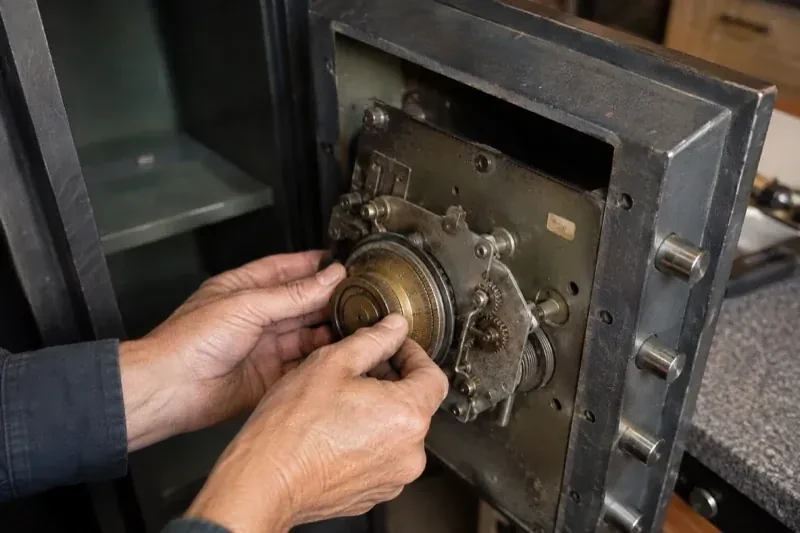
WhyMechanical and electronic safe locks call for genuinely different work.
You have lost count of how many people have had a key to your house over the years: cleaners, a contractor, a former partner, the previous owner's family.
WhyA high security cylinder is rated by independent laboratory testing that times how long it holds out against picking, impressioning, drilling, prying and wrenching.
Deliveries arrive before anyone is scheduled to be there, which right now means either propping the loading dock open at dawn or handing a key to a driver you have never met.
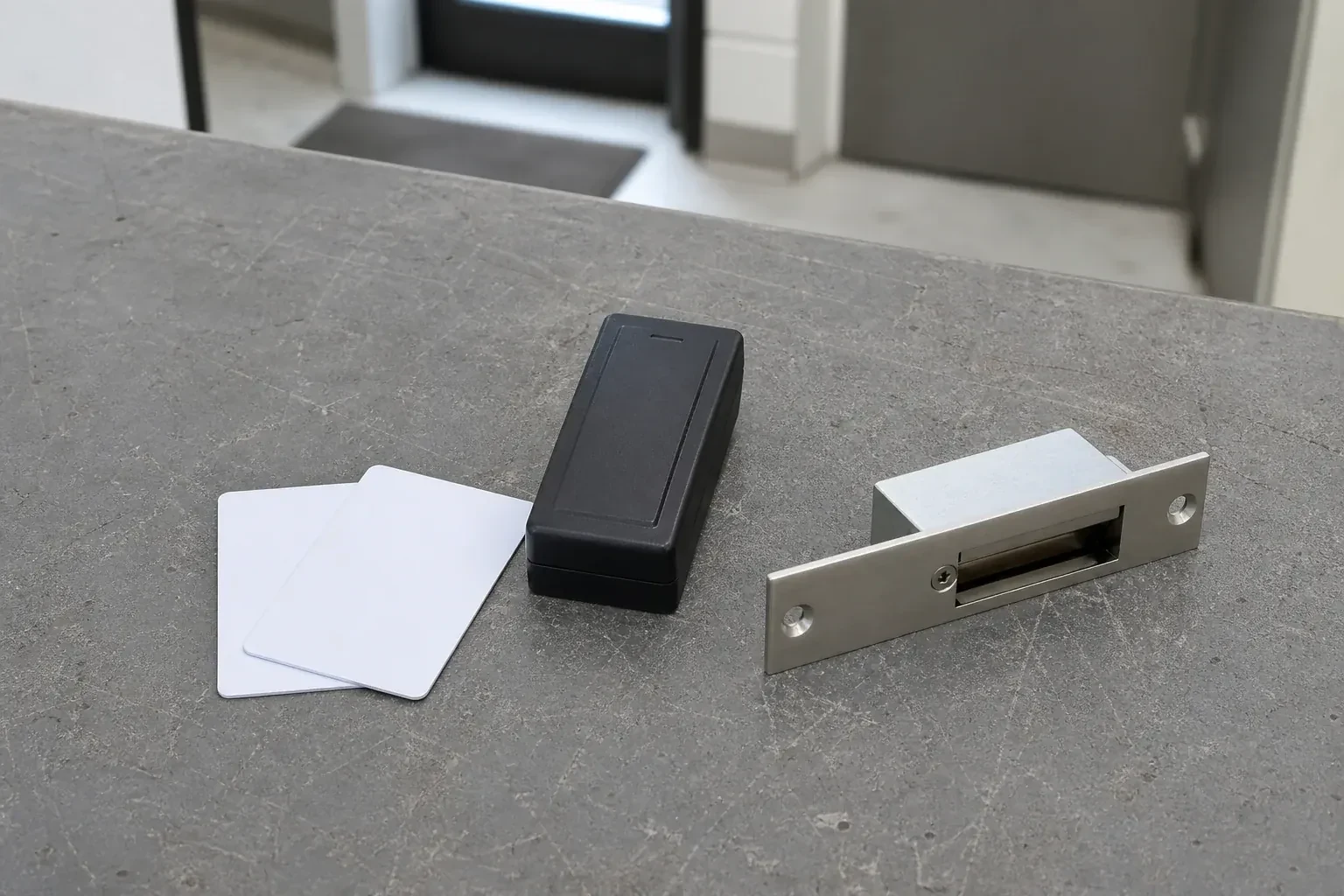
WhyA single door can run on a standalone keypad or card reader that stores its own list of who may enter, though it can still need a power or network connection to work.
A replacement fob just arrived in its box, shiny and untouched.
WhyKey fob programming introduces a fob, remote or smart key into a vehicle's memory so every function it offers actually operates the car: the locks, the alarm, starting authorization, and on many vehicles passive entry, which unlocks the door once it is nearby and the handle is touched, gripped or pressed, since unlocking on approach alone is a separate feature found on only some vehicles.
Every door drops into place together when the fob is pressed, except the driver's door, which stays unlocked while the rest click shut around it.
WhyVehicle Lock Repair addresses a single locking point, a door, the trunk or hatch, or a storage compartment, that has stopped behaving like the rest of the vehicle.
A copy cut at a hardware kiosk turns the ignition on some mornings and skips it on others, occasionally sticking halfway and needing a wiggle that the original key never required.
Describe the property, the hardware and what has changed, and the visit starts from what you have seen.
1
2
3
01
Walking the door with you
We look at the cylinder, the bolt, the strike, the hinges and any glass nearby, and say plainly which parts are sound and which are thin.
02
Choosing the level together
A graded deadbolt with a patented cylinder for most homes, rated cylinders and heavier lock bodies for businesses. You pick the doors and the depth.
03
Fitting, keying and registering
Cylinders go in, strikes are screwed into the framing, keys are cut from code, and the system is registered so only you can order more.
Good days. Start with a turn.
1/9Broken Key Extraction
Overnight the deadbolt froze, and this morning the key would only turn partway. One more push and it sheared off flush with the face of the cylinder. There is nothing left to grip, and the cold is not helping.
Someone painted the door years ago without removing the hardware. The faceplate, the strike and the little thumb-turn are all under several coats, the deadbolt scrapes when it moves, and the knob is stiff enough to leave marks on your hand.
The padlock on the side gate has gone stiff every winter for three years running, and this year the key simply will not turn past the first few pins. Salt spray off the road and a season of meltwater have left the cylinder pitted and reluctant.
A safe sat in a late parent's basement for years, its combination known to nobody left in the family, and everyone would like to know what is actually inside it.
You have lost count of how many people have had a key to your house over the years: cleaners, a contractor, a former partner, the previous owner's family. The lock still works, but you no longer know who else it works for.
Deliveries arrive before anyone is scheduled to be there, which right now means either propping the loading dock open at dawn or handing a key to a driver you have never met.
A replacement fob just arrived in its box, shiny and untouched. It looks identical to the one that has ridden on the keyring for years, but the car ignores it entirely: no lock click, no start authorization, nothing. It needs to be introduced to the vehicle first.
Every door drops into place together when the fob is pressed, except the driver's door, which stays unlocked while the rest click shut around it. A twist of the key still locks that door by hand, so the mechanism inside is clearly still working.
A copy cut at a hardware kiosk turns the ignition on some mornings and skips it on others, occasionally sticking halfway and needing a wiggle that the original key never required.
In most cases yes, and it is tested in front of you with a key that fits. The inspection after extraction is where the honest answer lives: if the pins, springs and cap are sound and the keyway is clean, the cylinder goes back into service with a fresh key. If wear or damage caused the break, that is explained and a rekey or new cylinder is offered as a separate choice.
Which parts usually need replacing?
Springs, first and foremost: the latch spring, the hub spring that returns the knob, and the small springs on the deadbolt levers. After that, the spindle and knob set screws, a hub whose square has worn round, a worn deadbolt lever or follower, and on later locks the cylinder set screw or the cylinder itself. Bolts, cases and trim are almost always kept, cleaned and refitted rather than replaced.
Does this service cover the gate itself, or only the lock?
Both, where the two are connected, which on a gate they usually are. A locksmith working on a gate lock also looks at the hinges, the post and the closer, since a lock rarely fails on its own when the real cause is a sagging gate or a post that has shifted. Work that goes beyond hardware the locksmith carries, such as rebuilding a rotted post or a damaged fence panel, is flagged so it can be handled by whoever normally does that kind of repair.
What should I have ready before the visit?
The safe's brand and model if you know them, whether the lock is a dial, a keypad or a key, roughly how old the safe is, and how the combination was lost or forgotten. Mention whether the safe holds anything with its own handling needs, such as firearms or business records, and how many people should have the new code afterward.
Can a hardware store or kiosk copy my new key?
No. The blank for a patented keyway is distributed only through the manufacturer's network to locksmiths who hold the system, and the side milling or angled cuts need a machine set up for that line. A kiosk would have neither the blank nor the cut. Extra keys come through your locksmith, cut from code, once an authorised person has approved the order. That routine is a small inconvenience compared with never knowing who has a copy.
What's the difference between an electric strike and a magnetic lock?
An electric strike fits into the existing door frame and works with the door's own latch or bolt, releasing it briefly for a valid credential while otherwise behaving like an ordinary strike plate. A magnetic lock instead clamps the door shut with an electromagnet mounted at the head of the frame, and it is always installed with a request-to-exit device so someone leaving is never held up looking for a way out.
How do I stop all my fobs from wearing out around the same time?
Replacing coin-cell batteries as soon as a fob's range starts to feel shorter, rather than waiting for it to go completely dark, is the simplest habit. Keeping fobs off a keyring crowded with heavy metal keys reduces wear on the case and buttons as well. Since fobs from the same purchase batch often age together, a fading one is worth treating as an early warning for the others.
Will fixing one lock affect the rest of my central locking?
No, the other doors are left alone during the repair, since the fault is traced to the specific point that failed. Central locking is tested afterward with every door watched together to confirm the whole set still moves as one when the fob is used.
Does having a new key or lock affect an anti-theft insurance discount?
It can, depending on the insurer and what device is involved. Several Canadian insurers offer a premium discount for an approved alarm or disabling device that is professionally installed, which is a separate matter from a routine key or lock repair, but worth raising with an insurer at the same time if a machine is also getting an upgrade such as a disc lock or alarm.
Request a visit
Our default for doors in Little Britain is to repair before replacing. A deadbolt that grinds usually needs its strike moved, not a new lock. A cylinder that fights the key often wants fresh pins and a clean. We say so, even when a replacement would be the easier sale, and when replacement really is right we explain why and show you the options in your hand.