Car keys · Kawartha Lakes
Car Key Replacement
The car is yours now, but somebody else still holds a key to it.
In plain words
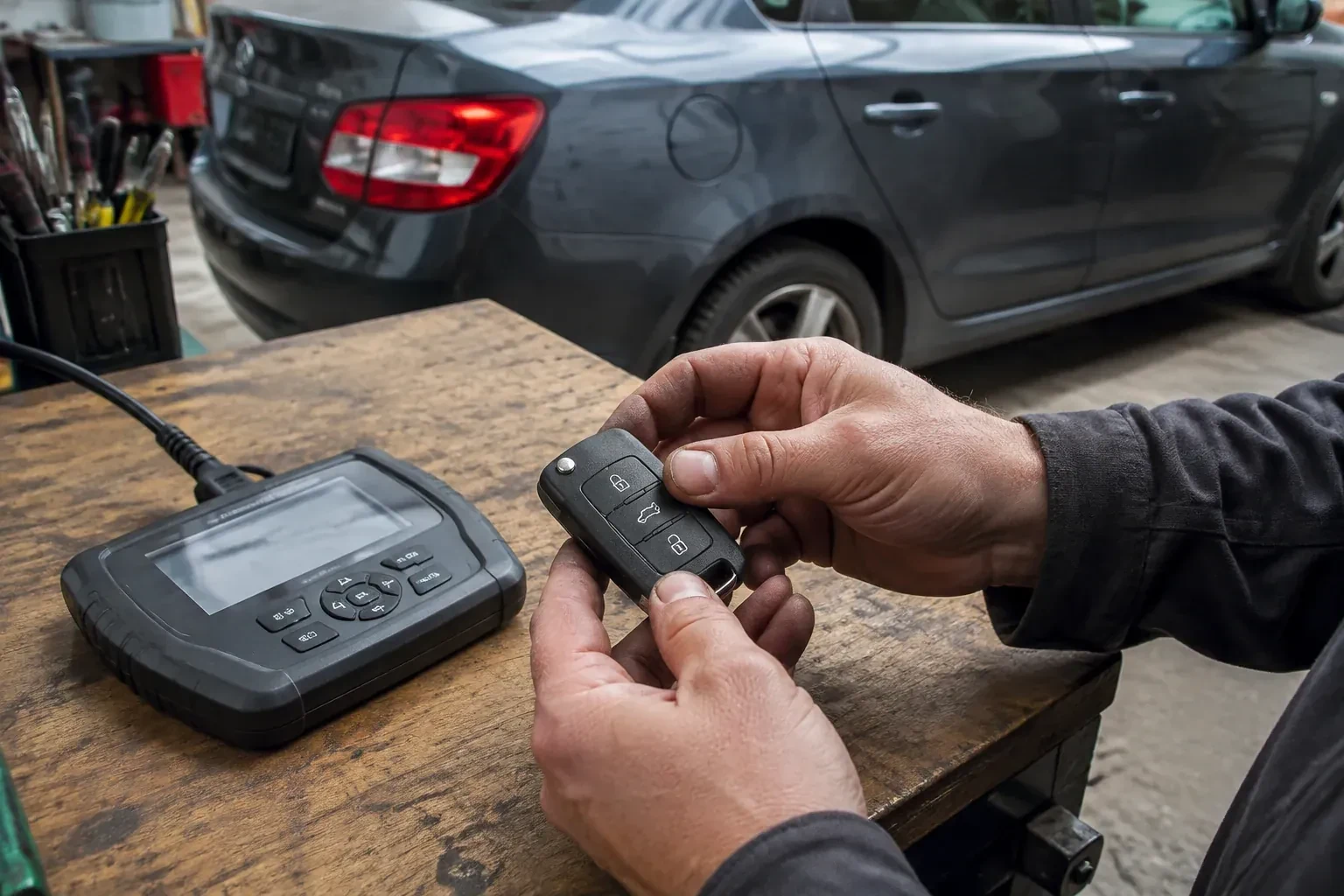
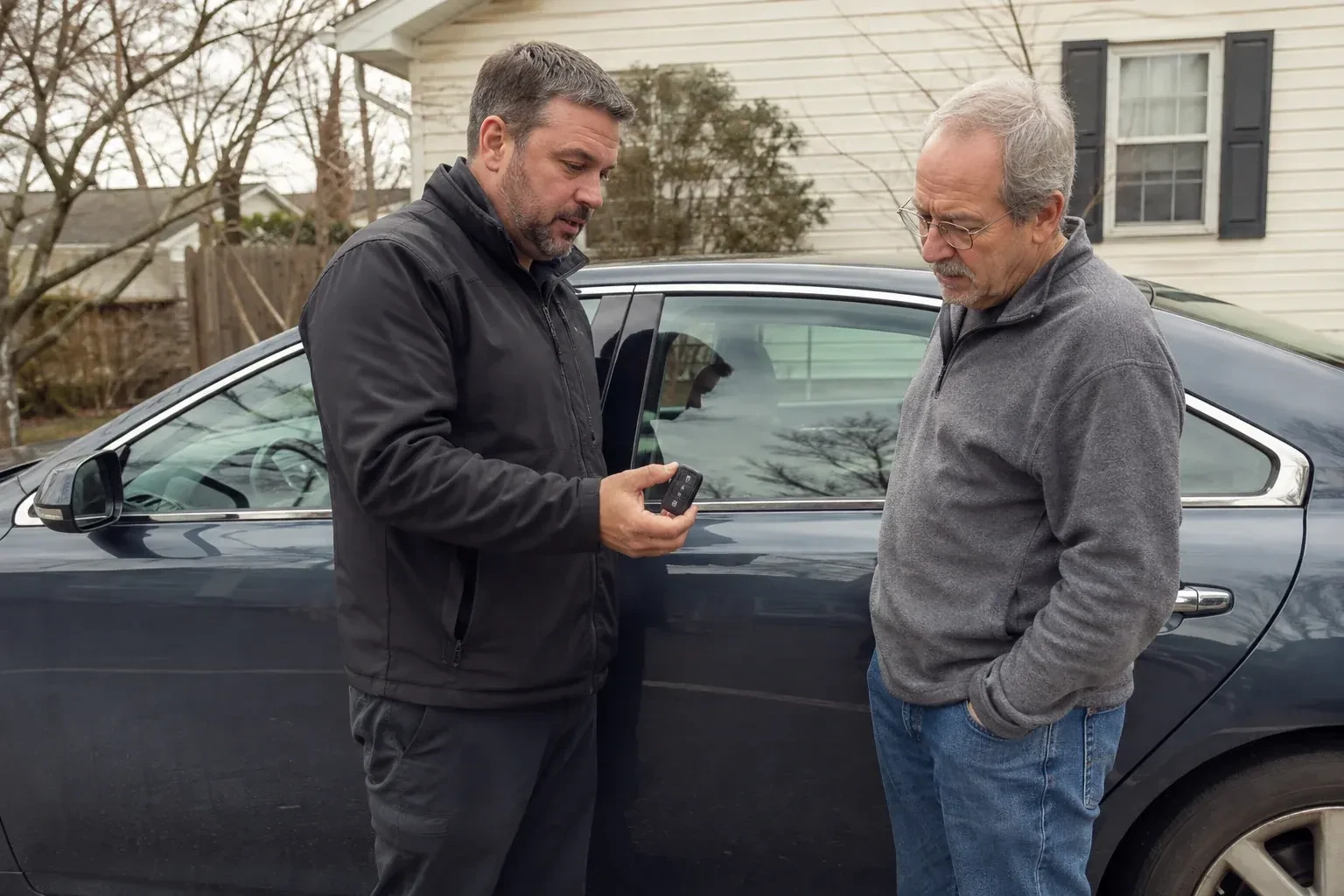
There are two starting points, and the first question on the phone is which one you are in. If any working key exists, the job is to add a key: cut, then registered alongside it, often a short procedure. If every key is gone, the locksmith starts from what the vehicle supports: on many cars, the door lock is decoded to produce a blade and the immobilizer is reset to erase the missing keys before new ones are stored, while a key-card, phone-key or dealer-only vehicle follows its own route. Both end with a working key, but the second takes more steps, which is why a spare is worth having.
How the visit goesThe fob went through the washing machine in a jacket pocket. It came out clean and completely silent. Nothing unlocks, the push-button start ignores it, and the little metal blade hidden inside only opens the driver's door.
Car Key Replacement
How the visit goes
The locks and ignition, not only the key
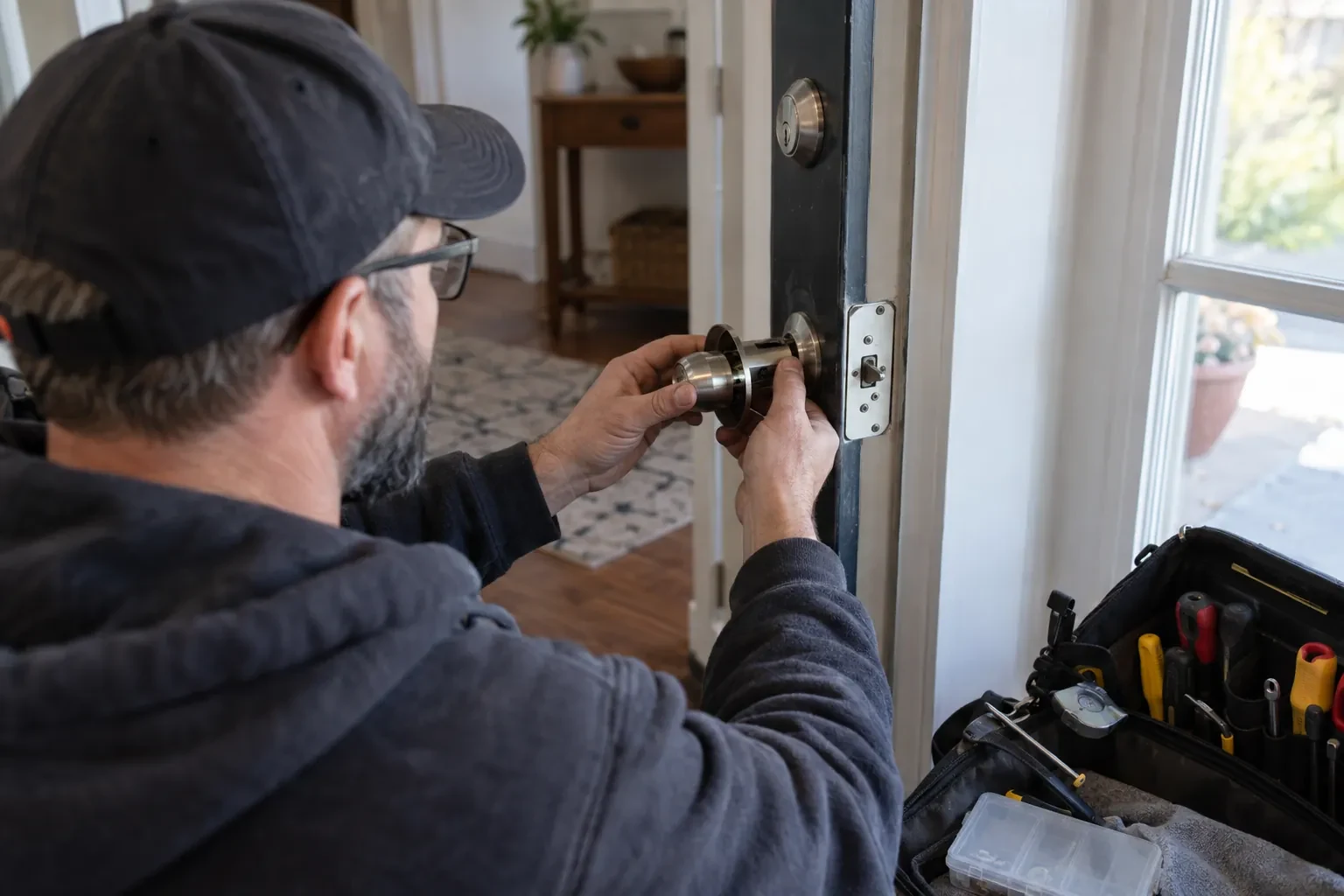
A new key is only as good as the cylinders it turns, so the check looks at the car too. A door lock that has gone unused for years on a keyless vehicle can be stiff with salt and grit; an ignition that needed a jiggle with the old key has worn wafers that will feel tight with a fresh blade; a previous replacement may have left the doors and ignition on different cuts. Aftermarket alarms and remote starters can also sit between the key and the immobilizer. Spotting these early lets the locksmith bring the right parts and explain what else the car may need so the new key feels right.
All keys lost: reset first, then reissue
When nothing remains, the sequence changes. The car is opened, the blade is produced from the lock or the code, and then, where the system supports it, the immobilizer memory is reset so every stored key is erased; others follow their own maker-specific route instead. New keys are then registered one after another, and registering two gives the car a spare from day one. On some vehicles this stage needs a longer security timer or manufacturer data, which is arranged in advance. The old keys, wherever they are, are now unknown to the car. Each new key is then started and driven a short distance to confirm the reset held.
A record of what your key actually is
A car key has an identity of its own: a blade profile, a transponder type, a remote frequency and a part number, and sometimes a key code printed on a tag. The locksmith notes these for you, along with the count of keys stored in the car, so the next spare can be prepared from the details rather than from scratch. Keep the note with your insurance papers rather than in the car. If the vehicle ever changes hands, the record also lets the new owner have the old keys erased and fresh ones made without guesswork about what the car uses.
Car Key Replacement
In the van
Transponder chip
Security PIN or secure-data access
Decoding pick and lock reader
Fob coin-cell battery
Remote frequency tester
Car Key Replacement
What affects the quote
Security data for the vehicle
Some cars give up their programming PIN through the tool; others require the code to be retrieved from manufacturer secure data, which involves a registered request. That step is quoted when the VIN shows it applies.
Condition of the locks and ignition
A door cylinder seized with salt or an ignition with worn wafers may need freeing, servicing or rebuilding for the new key to feel right. That work is quoted as its own item alongside the key.
Year, make and model
The vehicle decides the blank, the chip and the programming route. A twenty-year-old sedan with a plain transponder key and a recent proximity-start model are different jobs, and the quote follows the VIN rather than a flat figure.
What to have ready
- Was the key lost, stolen, broken, or damaged by water?
- Is there an aftermarket alarm or remote starter fitted to the car?
- Where is the car parked right now, and is it locked?
Car Key Replacement: questions
QuestionsCan the key I lost still start my car?
Until it is erased, yes, because the immobilizer still recognizes its chip. During the programming session the locksmith can remove every key from the car's memory except the ones in your hand, and unpair the old remote as well. After that the lost key is a blade that opens a door at most, and nothing else. If that blade worries you, changing or rekeying every mechanical cylinder it operates, doors and ignition, plus a trunk, tailgate, fuel door or glovebox where the car has one, finishes the job.
The key snapped off inside the lock. What happens now?
The broken piece is drawn out with an extractor that grips it rather than pushing it deeper, and the cylinder is checked for damage. The head of the key, if it survived, still holds the chip and the remote, so it can be rebuilt around a new blade in a new case without any programming. If the whole key was lost with the break, a fresh transponder key is cut to code and programmed as usual.
After a break-in the doors and ignition are on different keys. Can that be fixed?
Yes. When a door lock is forced and replaced, or an ignition is swapped, the car can end up needing two blades. A locksmith can rekey the replacement cylinder to match the surviving one, so a single key operates every lock again, and cut new keys to that combination. The transponder side is unchanged by the lock work, so your existing programmed keys carry on starting the car once the blades match.
Related services
- Spare Car Key DuplicationThe proximity fob has ridden in a pocket for years, the range feels shorter than it used to, and a dashboard warning mentioned a battery a while back.
- Key Fob ProgrammingThe remote clicks the way it always has, but the vehicle no longer locks, unlocks or answers with its usual chirp.
- Transponder Key ProgrammingA second driver has joined the household, and the one existing key gets handed back and forth between two schedules that rarely line up.