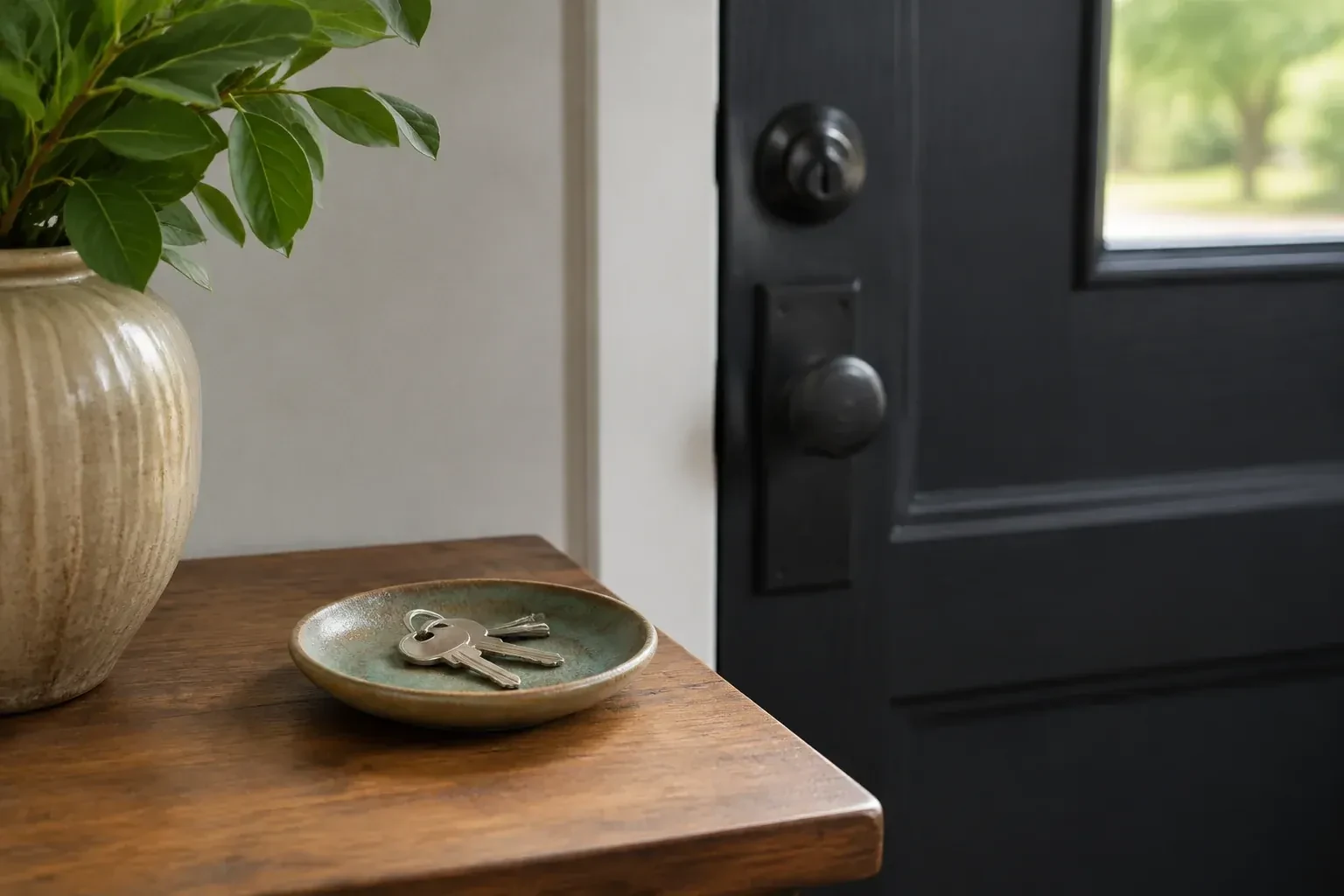
High security
High Security Locks
For a business, high security means the stockroom, the cash office and the server closet hold whatever happens, and a departing manager's key cannot be quietly copied. Restricted keyways, numbered keys and a signed register are how that is achieved.
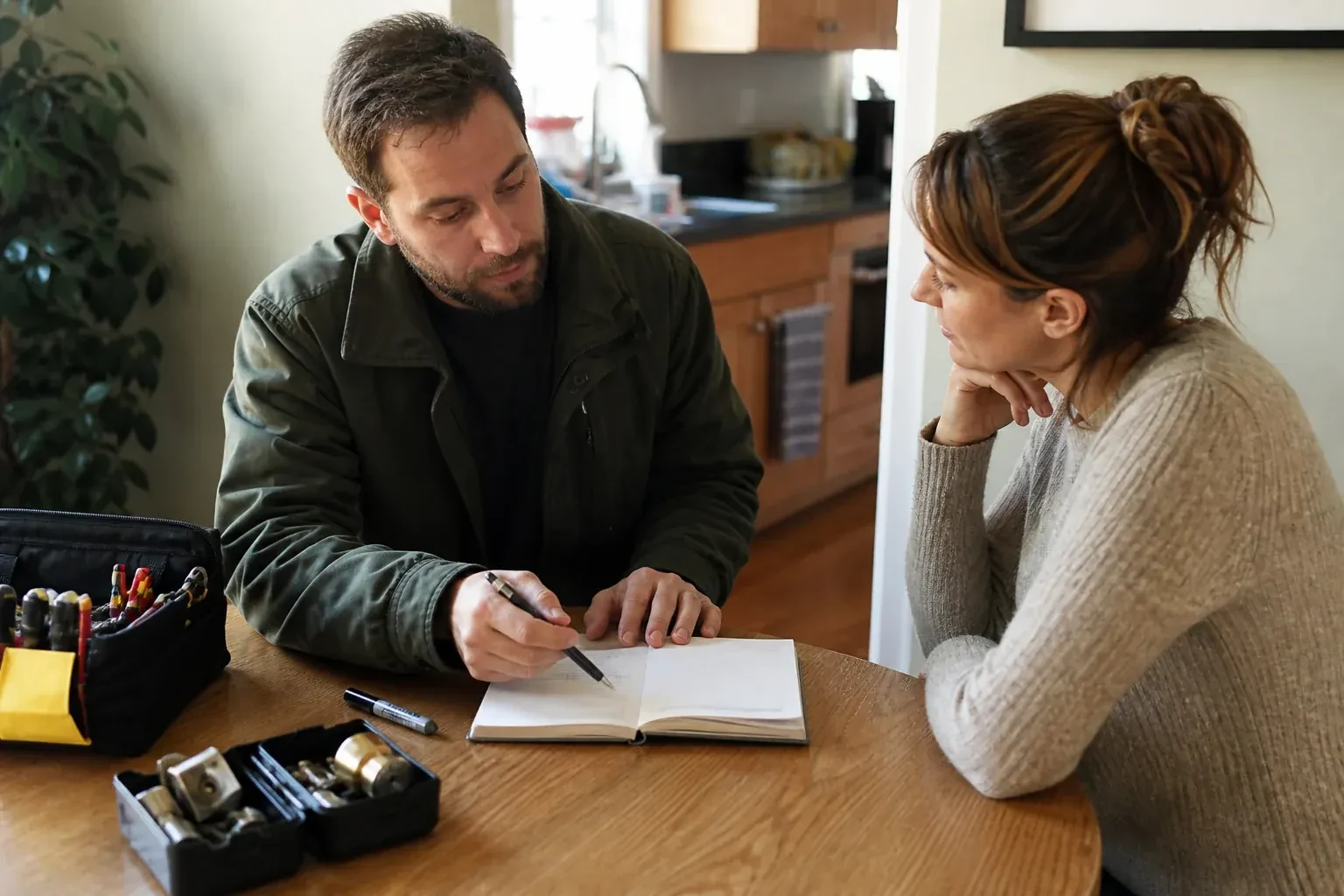
Which one do I need?
- The bookkeeper who set the office safe's code retired in a hurry, and the float cash for tomorrow's registers is sitting behind a keypad nobody else in the building can operate.Safe Opening & Combination Change
- The office is moving three blocks over, and the old commercial safe that has sat bolted to the concrete for fifteen years now needs to come out, travel across town, and go back down just as solidly.Safe Installation & Servicing
- The pharmacy stockroom, the server closet or the cash office is protected by the same ordinary cylinder as the staff washroom.High Security Locks
High Security Locks
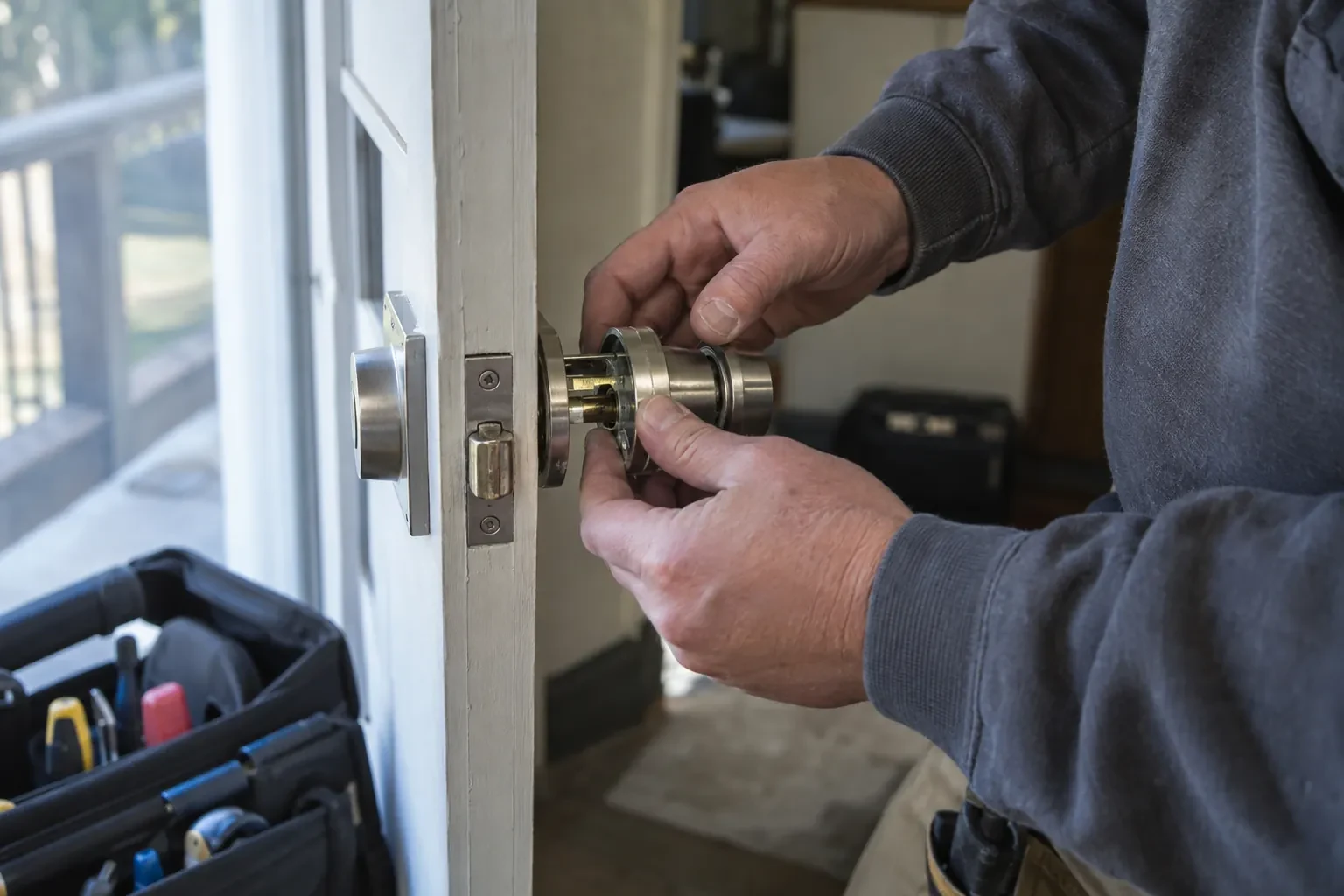
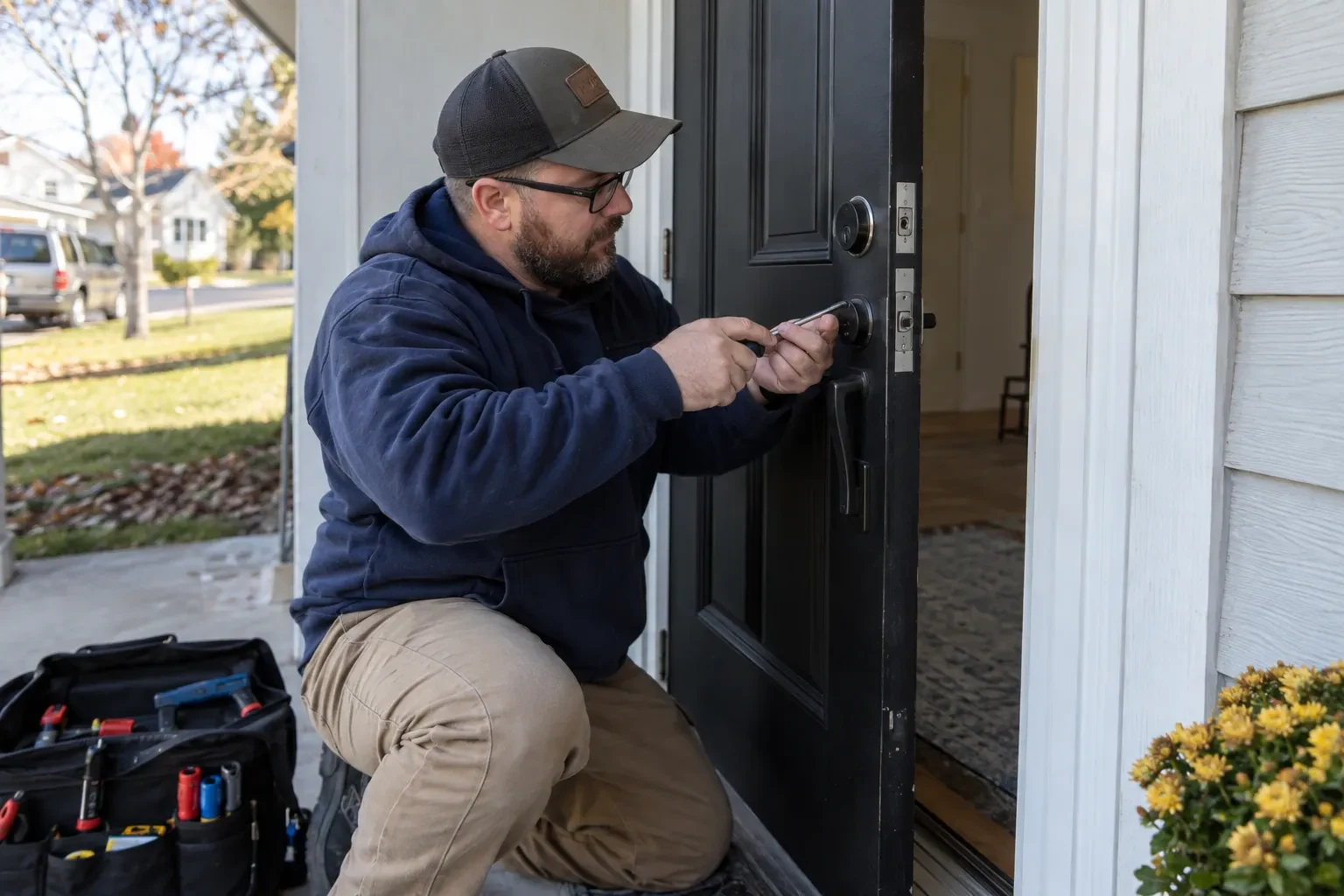
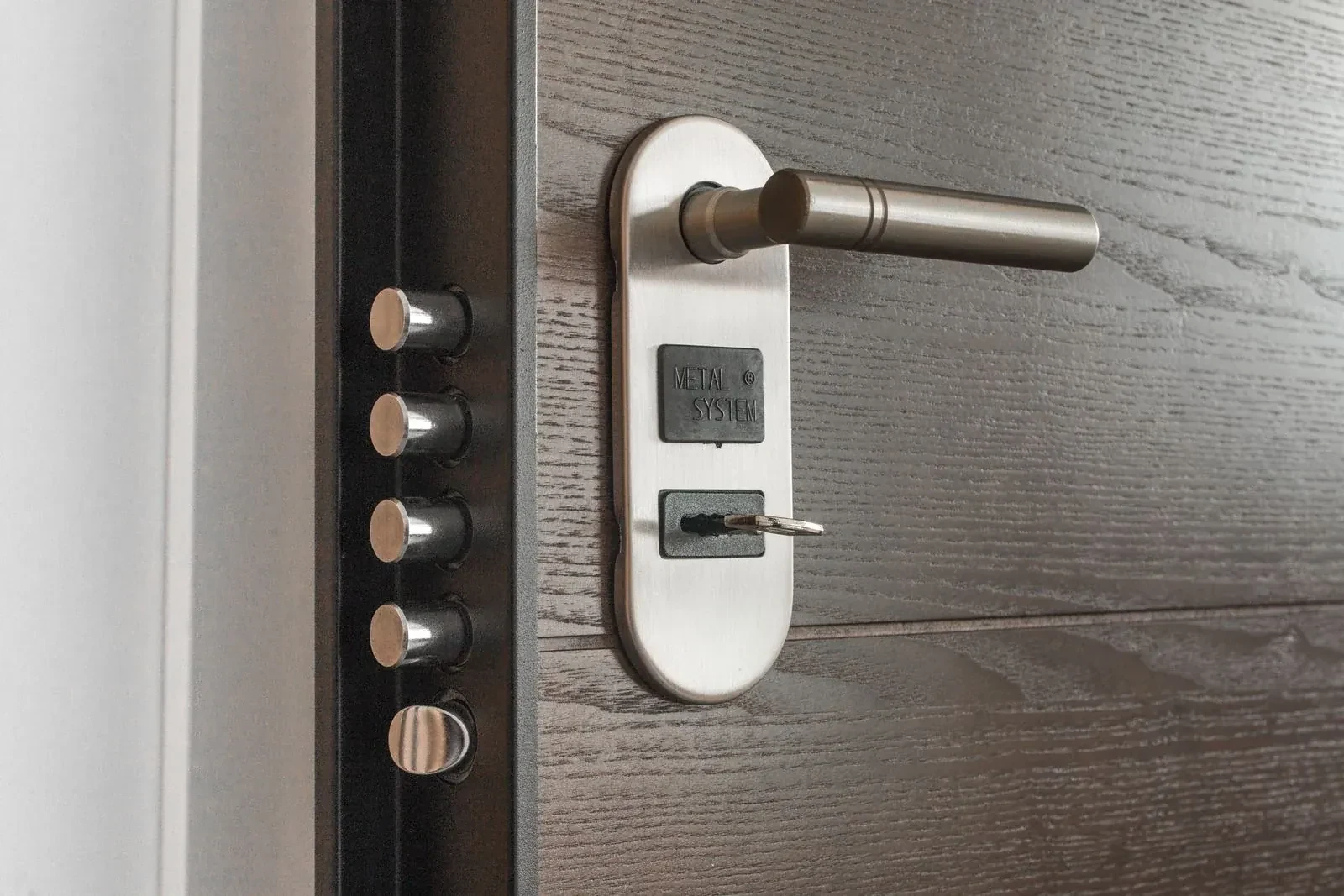
Cylinders and deadbolts built to resist picking, bumping and drilling, keys that cannot be copied without authorisation, and safes opened or installed.
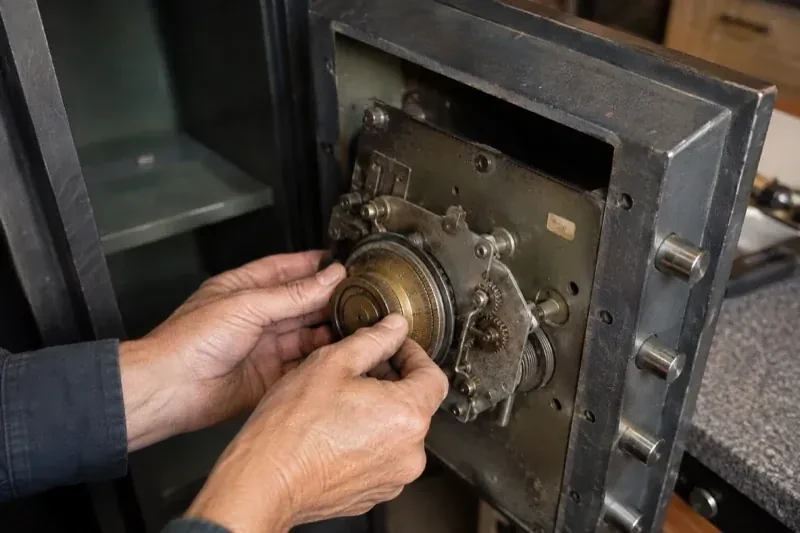
Safe Opening & Combination Change
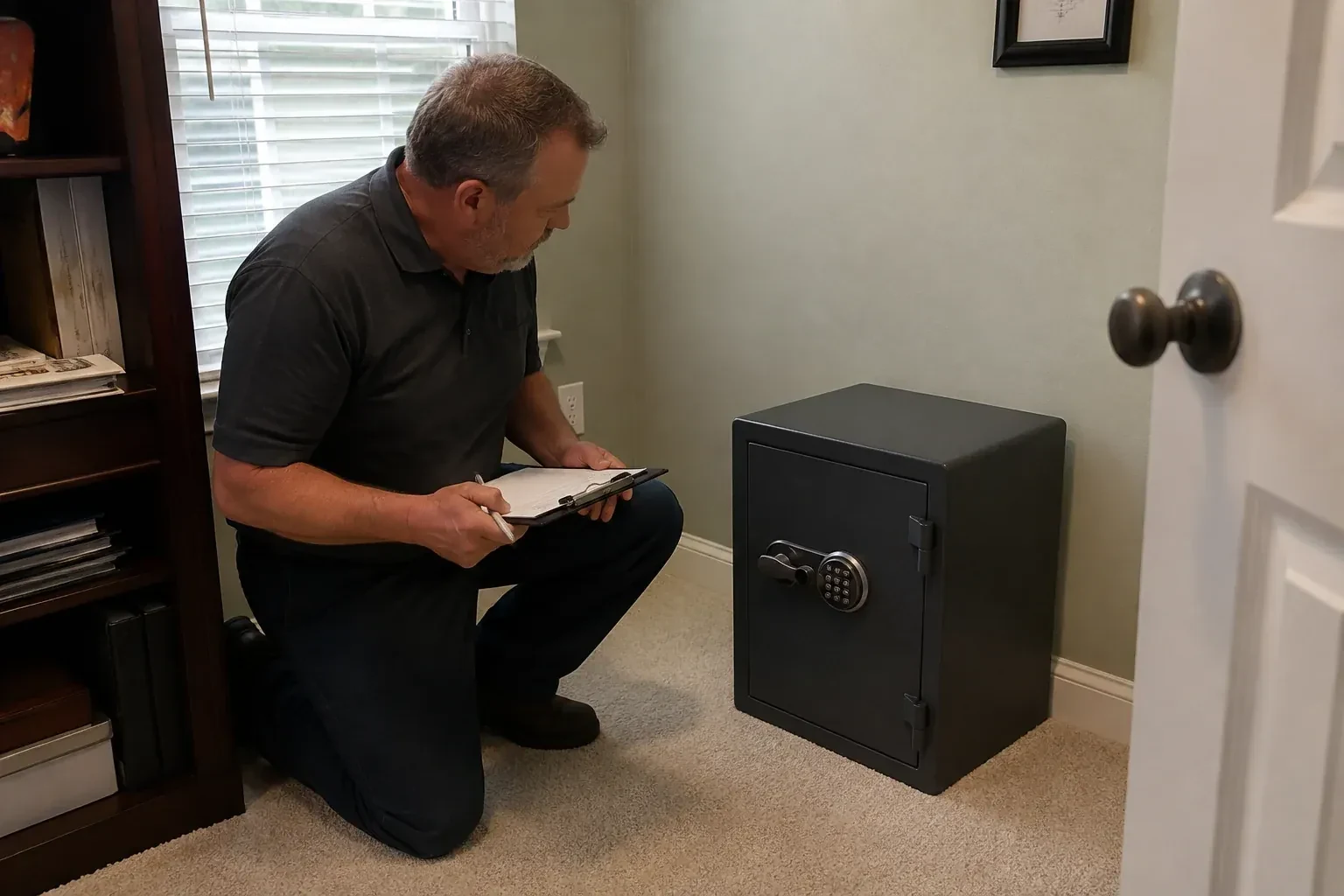
Reading the safe before touching it
Every safe carries clues about what is inside its lock. A manufacturer's data plate, usually on the door or inside the frame, often names the brand, model and sometimes the lock's own security rating. The dial style, the keypad's shape and buttons, and whether a key cylinder sits alongside the combination lock all narrow down the lock family before a single tool is used.
Older safes without a legible plate are identified from the case shape, the handle style and the dial ring instead. Getting this identification right decides which manipulation technique, which reset procedure or which manufacturer tool applies, and it is the difference between a clean opening and a guess.