High security · Pontypool
High Security Locks in Pontypool
The pharmacy stockroom, the server closet or the cash office is protected by the same ordinary cylinder as the staff washroom.
In plain words
For a business, high security locks are as much about paperwork as metal. A restricted or patented key system registers the premises with the locksmith, names who may order keys, and numbers every key cut. That is what turns a lost staff key from a mystery into a line in a log. The hardware backs it up: cylinders with sidebars and hardened inserts, heavy-duty deadbolts or mortise locks, and strikes set into the structure. Where several doors are involved the keys can be arranged so a manager carries one key and staff carry keys that open only their own areas.
How the visit goesA colleague showed you a video of a lock being opened with a bump key in a few seconds. Then you went home and noticed your own deadbolt is the same style, bought at a hardware store a decade ago.
High Security Locks
How the visit goes
What the door is protecting
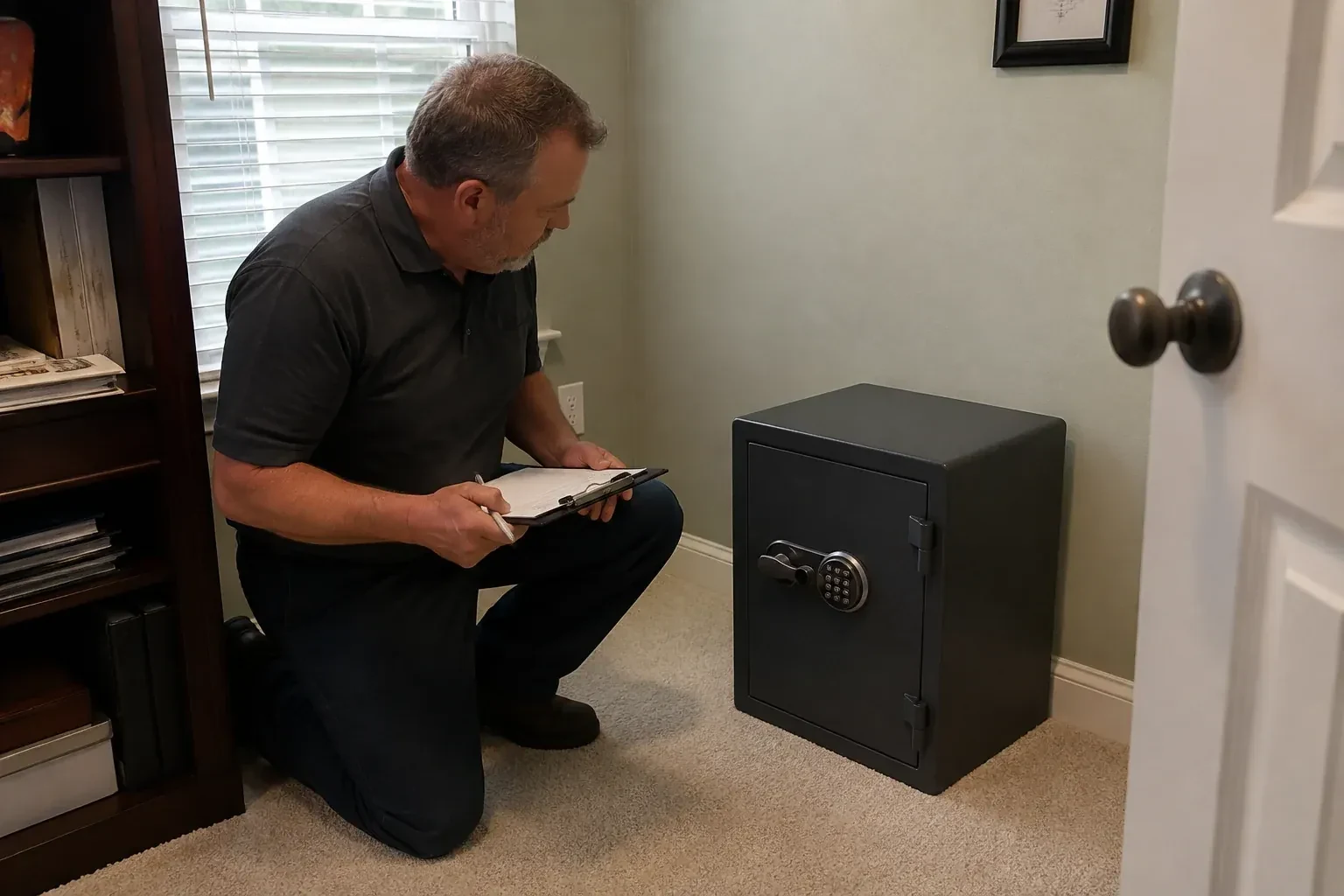
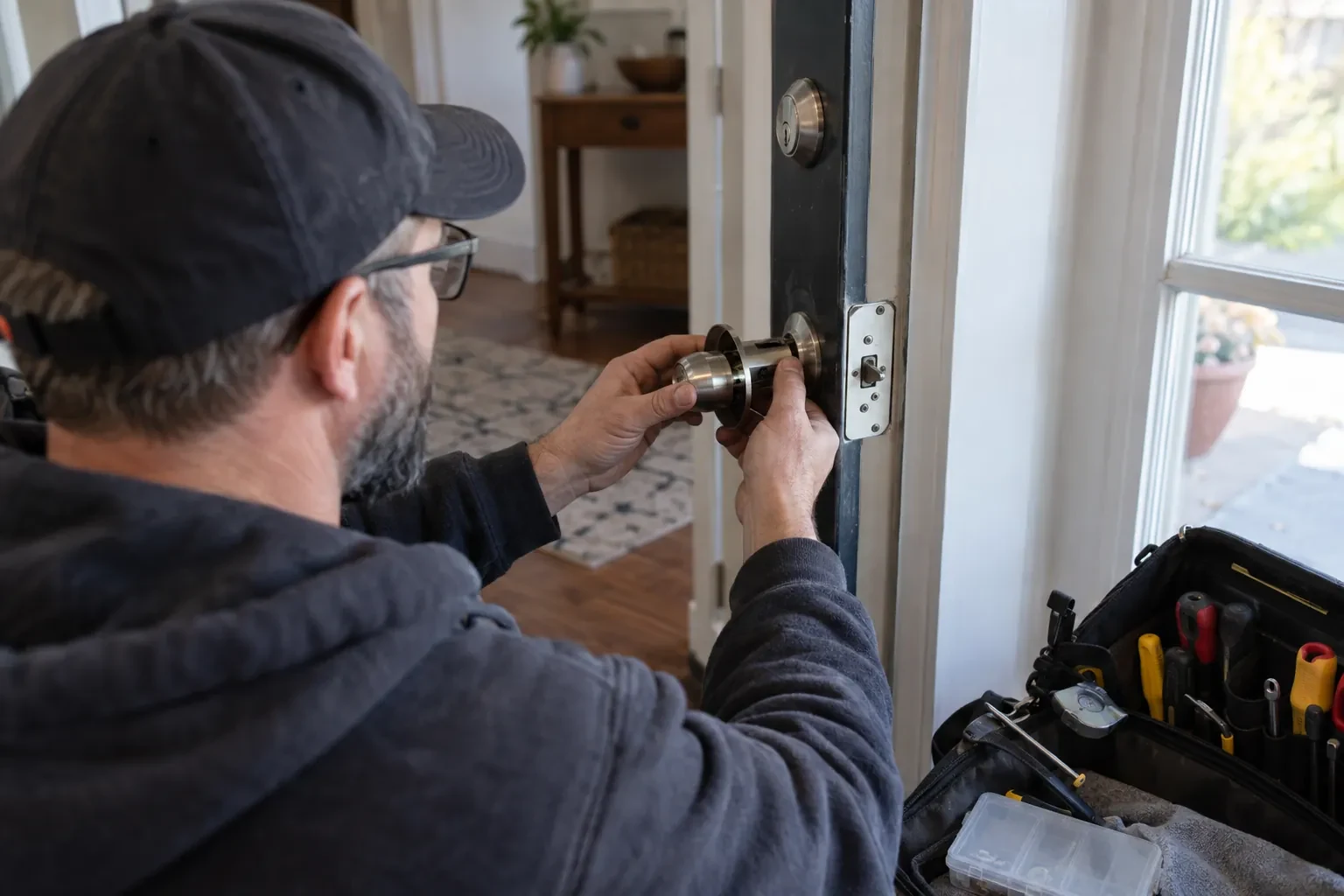
The assessment starts with a question rather than a tape measure: what is behind this door, and what has made you think about it now? A front door on a family home, a stockroom with prescription drugs and a server closet in an office carry different risks and deserve different levels of hardware. The locksmith also asks who has keys today and how sure you are of that count. Those answers decide whether the right answer is a graded deadbolt with a controlled key, a laboratory-rated cylinder in a heavy lock body, or a small keyed system across several doors. Spending goes where the risk actually sits.
Keying several doors sensibly
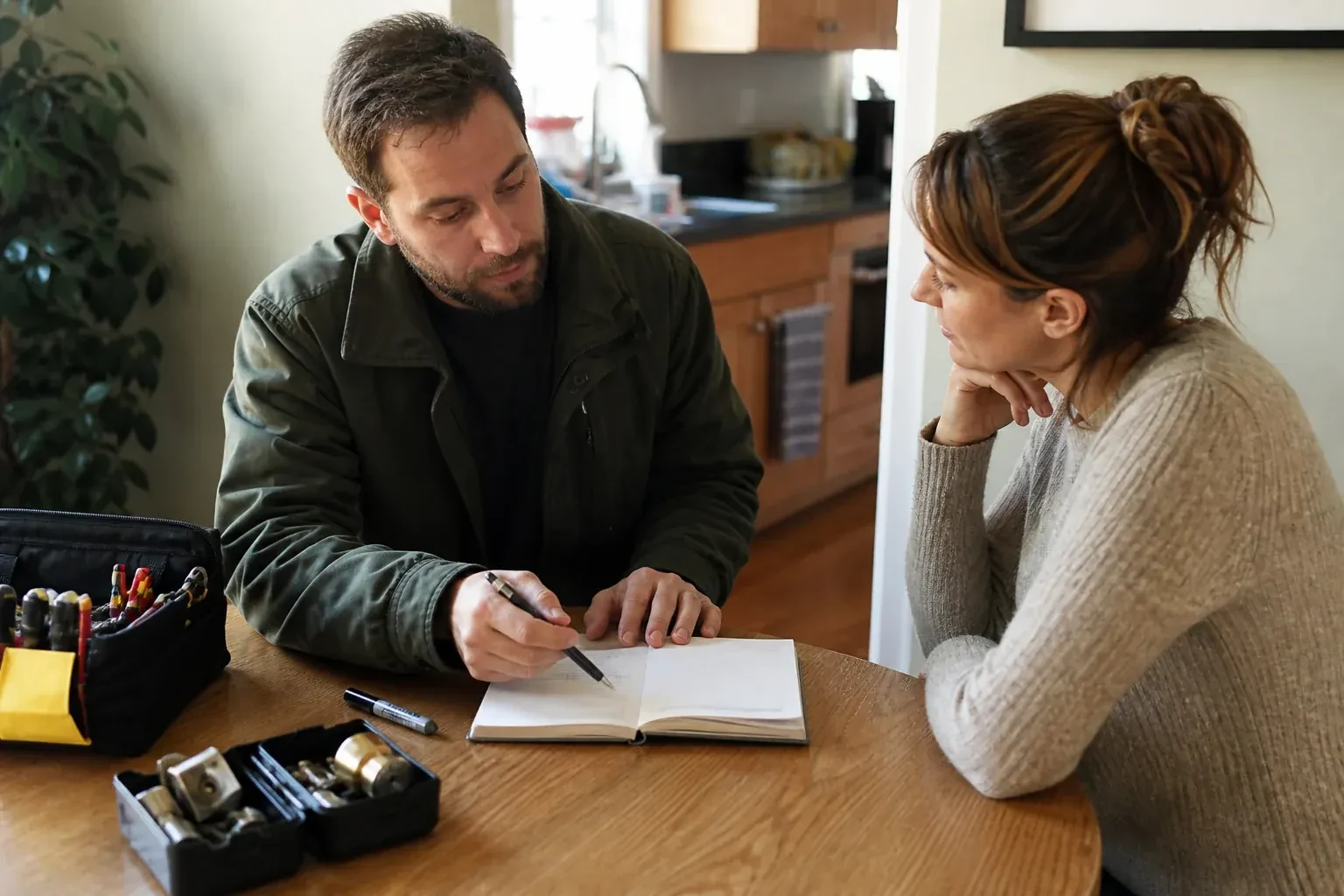
When more than one door is upgraded, the locksmith plans the keying before pinning anything. A home usually wants every exterior door on one key. A business often wants staff keys that open the front and their own area, and one manager key that opens everything, arranged as a small master system on the same patented keyway. Cylinders are pinned on the bench, labelled and fitted door by door, and each key is checked against the doors it should open and, just as carefully, the doors it should not. The written key schedule is part of the handover.
Looking after a precision cylinder
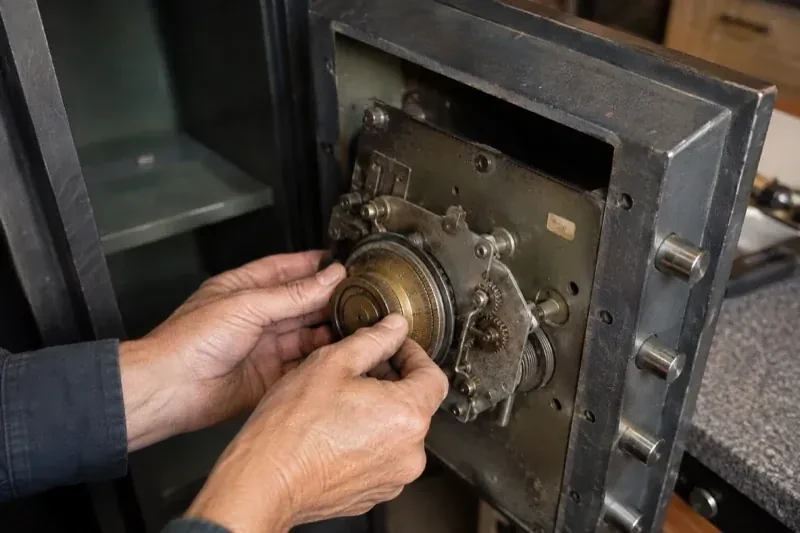
High-security cylinders are finer mechanisms than the pin tumblers they replace, and a little care keeps them turning sweetly. Use only the dry lubricant the locksmith recommends, once or twice a year and sparingly, and never household oil, which gathers grit around the finger pins and sidebar. In cold weather, if the key resists, warm it in your hand or use a de-icer rather than forcing it. Insert the key fully before turning. Keep a spare key indoors so a bent or worn key is retired rather than pushed on. Treated this way, the cylinder outlasts the door around it.
High Security Locks
In the van
Commercial mortise lock body
Reinforced strike plate
Hardened cylinder guard ring
Graded deadbolt with hardened bolt
Three-inch strike and hinge screws
High Security Locks
What affects the quote
Number of doors
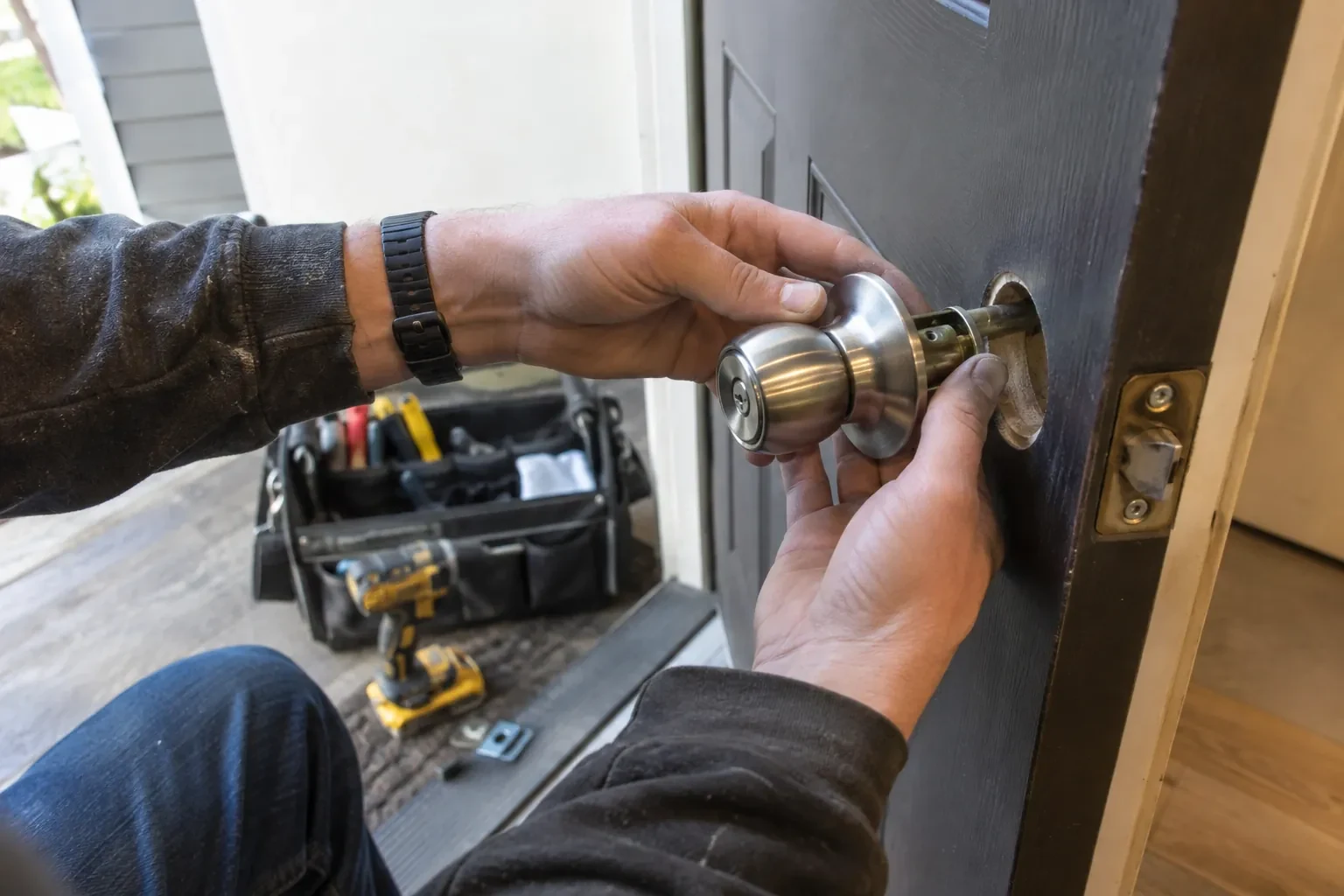
Each door gets its own cylinder or lock, strike work and testing. Several doors on one keyway share the setup cost of the key system but add hardware and time per opening.
Documentation and registration
Setting up the key register, recording signatories and providing a written schedule of cylinders and keys is real work on a business system and is listed rather than hidden.
Key control level
A patented keyway with authorisation cards covers most homes. Geographically exclusive keyways and signature-controlled systems for businesses carry registration and administration that show in the quote.
What to have ready
- What does the door protect, and what prompted you to think about upgrading now?
- Which locks are on the door now: knob only, knob and deadbolt, a mortise lock or a lever?
- Does the door have a closer, push bar, alarm contact or keypad on it already?
High Security Locks: questions
QuestionsWhat about the glass panel next to my front door?
A sidelight within reach of the inside thumb-turn is the weak point of an otherwise strong door, since a broken pane lets a hand reach the turn. Options include moving the deadbolt further from the glass, a lock function that needs a key inside as well, or a laminated pane. Because everyone must still be able to leave easily, the locksmith talks through the trade-offs and helps you pick the arrangement that suits your household.
Can a hardware store or kiosk copy my new key?
No. The blank for a patented keyway is distributed only through the manufacturer's network to locksmiths who hold the system, and the side milling or angled cuts need a machine set up for that line. A kiosk would have neither the blank nor the cut. Extra keys come through your locksmith, cut from code, once an authorised person has approved the order. That routine is a small inconvenience compared with never knowing who has a copy.
Can all my doors be on one key?
Yes, and most homes ask for exactly that. Every exterior cylinder is pinned to the same combination so one controlled key opens the front, back, side and garage entry. A gate or shed padlock on the same keyway can join it. For businesses, the same keyway can carry a small master system where staff keys open only their areas and a manager key opens everything. The keying plan is agreed before any pinning is done.