High security · Bethany
Safe Opening & Combination Change in Bethany
The bookkeeper who set the office safe's code retired in a hurry, and the float cash for tomorrow's registers is sitting behind a keypad nobody else in the building can operate.
In plain words
A safe opening and combination change service is built around confirming who has the right to be inside the safe before any tool touches it. Once that is settled, the locksmith identifies the safe's make, model and lock type, then works through the least invasive method that fits it, whether that means reading a dial by feel or resetting an electronic keypad. The final step sets a new combination chosen by the current owner, tested repeatedly, so the visit ends with a working safe under a code only they hold.
How the visit goesA customer's rifle safe at the range has a dial that simply will not respond to the combination written on the sales receipt from years ago.
Safe Opening & Combination Change
How the visit goes
Where the combination actually went
The history behind a lost combination shapes what happens next as much as the lock does. A code forgotten after months of the safe sitting closed still depends on that lock's own options: some models support a straightforward reset, others need a valid recovery code or a professional opening regardless. A combination that left with a departing bookkeeper or manager points toward recombining even a safe that still opens perfectly well, since the old numbers are now outside anyone's control. A safe with no known history, inherited or bought without paperwork, is treated as unknown from the start. A few honest questions about how the combination was lost shape the whole visit.
Working a mechanical dial
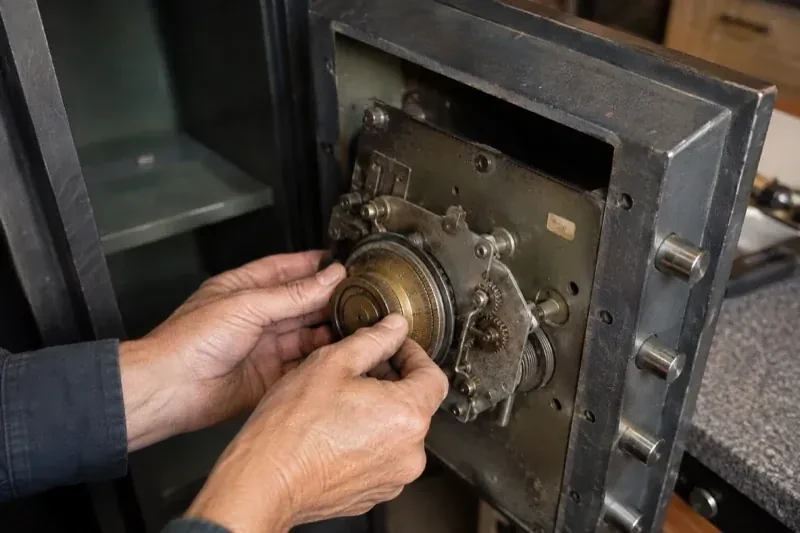
A dial lock is read through the spindle rather than forced through it. The locksmith applies light, even tension and turns the dial slowly, feeling for the small changes in resistance that mark each wheel of the wheel pack falling into place, or uses a decoding tool built for that lock family to read the gate positions directly. Wear matters here: an older, well-used dial often gives clearer feedback than a newer one, while a dial that has drifted out of alignment over years of use may need the wheel pack itself adjusted once the door is open. Nothing about this process involves force on the dial or handle.
Keeping a record without keeping it obvious
A combination worth changing is worth writing down somewhere that is not the safe itself. A sealed note with a manager, a separate secure file, or a password manager used for other business records all work better than a sticky note in a nearby drawer or taped beneath the safe, which is one of the first places anyone would look. For a business, deciding in advance who updates that record when staff change keeps the next transition from repeating this one. The locksmith can suggest a simple system on the spot if none currently exists.
Safe Opening & Combination Change
In the van
Manufacturer reset tool
Manipulation and tension tools
Dial decoding instrument
Drill rig and carbide bits
Repair plug and patch plate
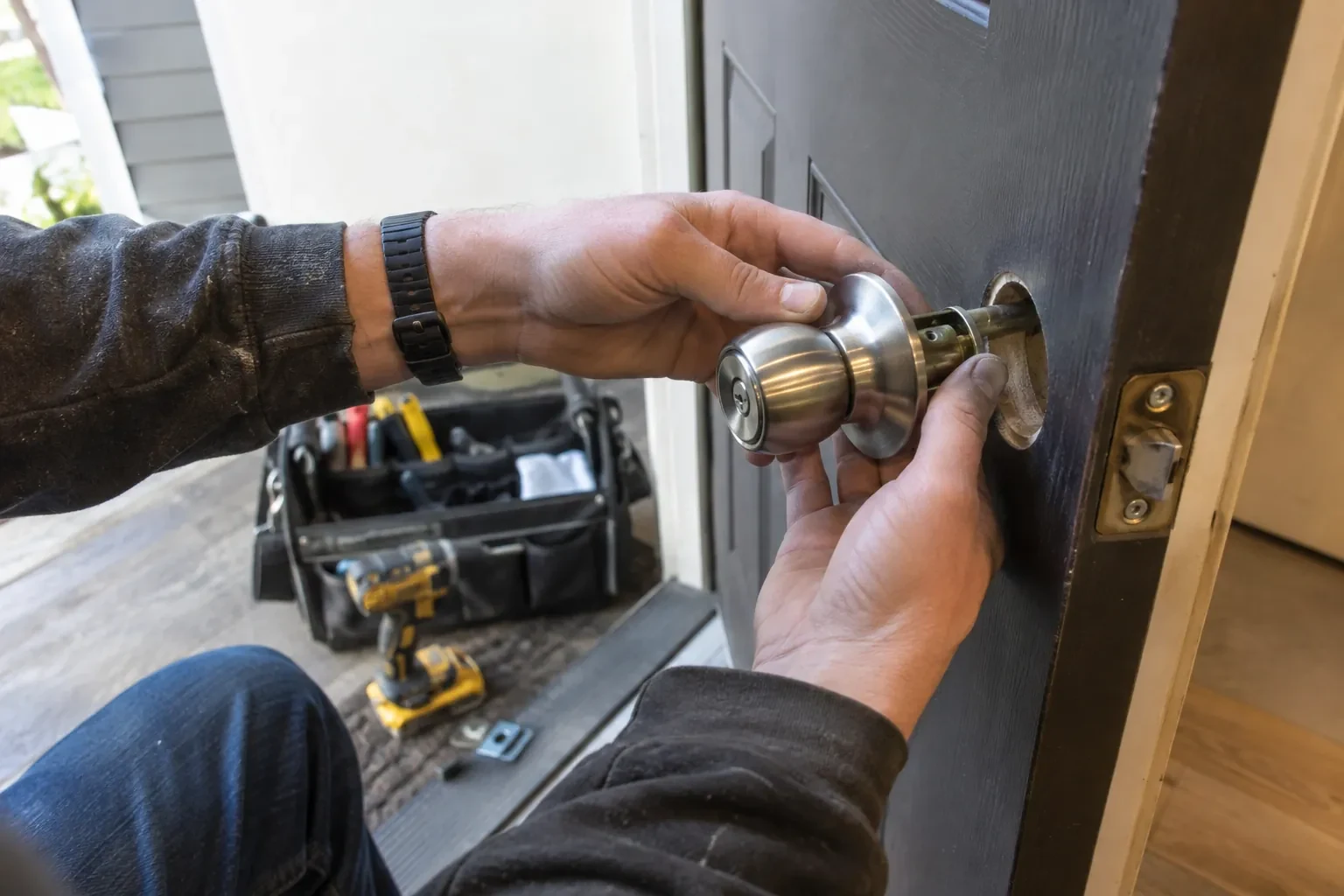
Safe Opening & Combination Change
What affects the quote
Any upgrade chosen during the same visit
Moving to a higher-rated lock, adding a second user code, or fitting an anti-relock plate is optional and priced as its own line whenever an owner chooses it.
Contents that affect how carefully the opening proceeds
Cash, business records, prescription logs or firearms each carry their own handling expectations once the door opens, which can shape how the visit is planned and quoted.
Bolt work or handle repair beyond the lock itself
A jammed bolt, corroded linkage or broken handle found during the assessment is quoted as its own item alongside whatever combination or lock work was originally requested.
What to have ready
- Is the combination lost, forgotten, or simply not working anymore?
- Does the handle turn normally, or does it feel stuck?
- Has the safe been through a fire, flood or break-in attempt?
Safe Opening & Combination Change: questions
QuestionsIs a mechanical dial or an electronic keypad the better choice for a business safe?
Each suits a different way of working. A mechanical dial has no battery to fail and a long service life, but only ever holds one combination at a time. An electronic keypad allows separate codes for different staff and an audit trail on some models, at the cost of needing battery changes. Either can be fitted with a genuinely high security rating; the choice usually comes down to how many people need independent access.
What should I have ready before the visit?
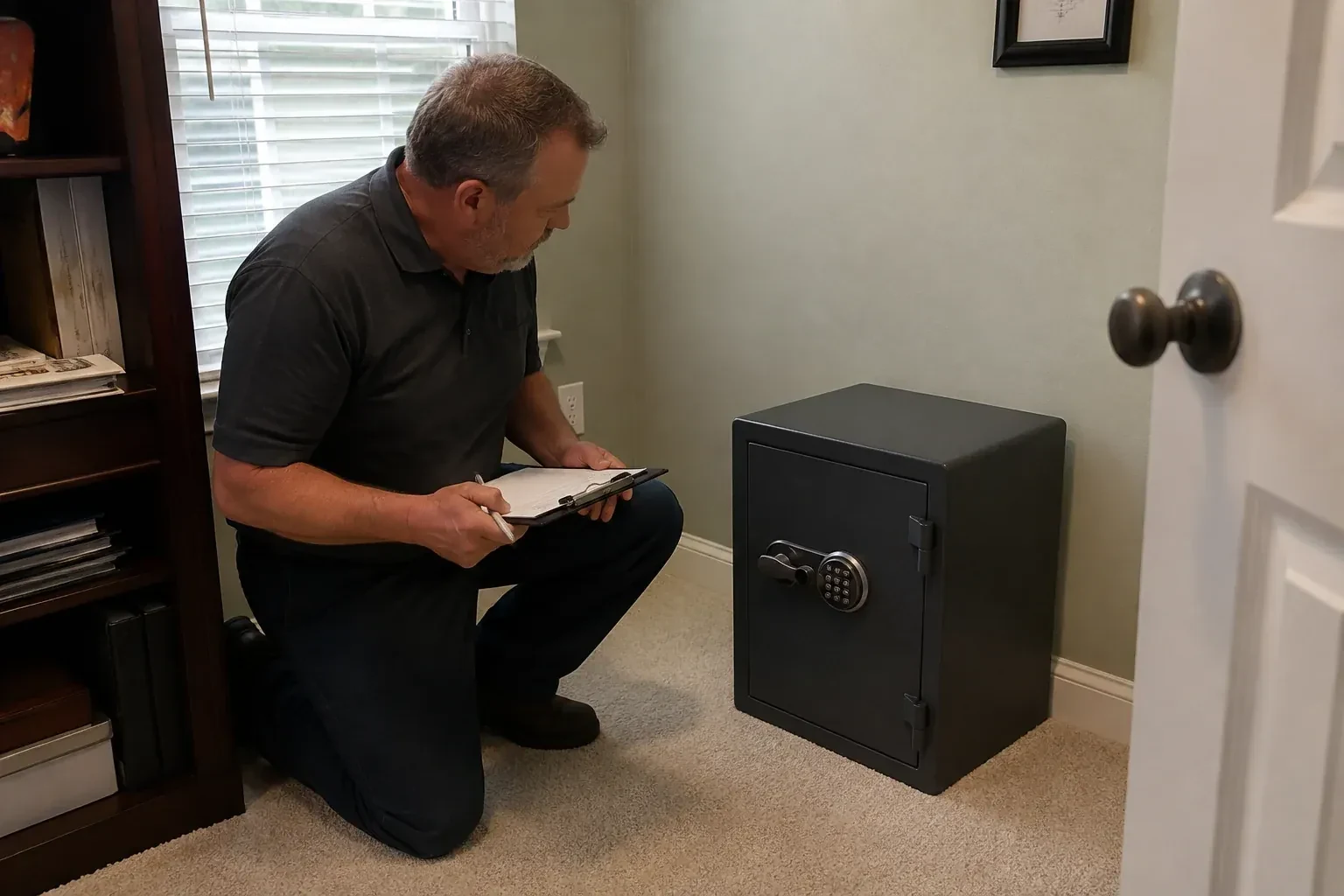
The safe's brand and model if you know them, whether the lock is a dial, a keypad or a key, roughly how old the safe is, and how the combination was lost or forgotten. Mention whether the safe holds anything with its own handling needs, such as firearms or business records, and how many people should have the new code afterward.
Do you need the safe's model or serial number before you arrive?
It helps but is not required. A data plate on the door or frame, a purchase receipt, or a manual kept in a drawer all speed up identifying the lock family in advance. Where none of that survives, the locksmith identifies the safe from its case shape, dial style and handle once on site, which simply adds a short assessment step at the start of the visit.